US$2.1 Million Post-Harvest Equipment Handed Over to Zimbabwean Farmers to Combat 28% Grain Losses
 Francis
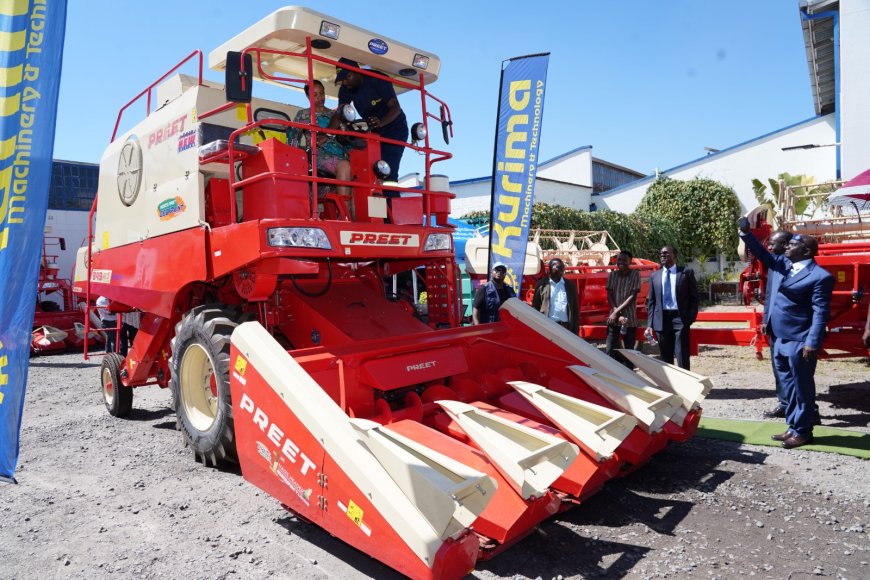
HARARE – The African Development Bank and the Food and Agriculture Organization have officially handed over post-harvest equipment including 2,100 metal silos, 70 multi-crop threshers, and five combine harvesters to Zimbabwean smallholder farmers under the Zimbabwe Emergency Food Production Programme, marking a strategic shift from production to preservation.
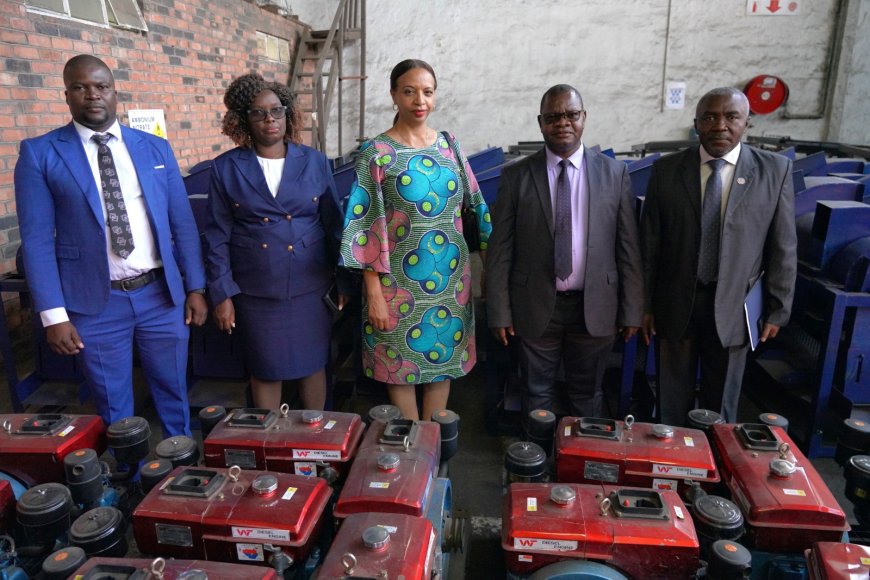
"It is a great honour to join you today for the official handover of post-harvest equipment under the Zimbabwe Emergency Food Production Programme," said Patrice Talla, FAO Subregional Coordinator for Southern Africa and FAO Representative in Zimbabwe. "This milestone reflects the strong partnership between the Government of Zimbabwe, the Food and Agriculture Organization of the United Nations, and the African Development Bank, working together under the African Emergency Food Production Facility."
Talla explained that the facility was established as a bold and timely response to the global food crisis, driven by disruptions in agricultural input supply chains, climate variability, and rising production risks. "Our objective has been clear: to support African countries to rapidly scale up food production while strengthening the resilience and inclusiveness of their agricultural systems," he said.
"In Zimbabwe, this support has translated into tangible investments that are improving productivity and strengthening food systems at both household and national levels," Talla said. "Today's handover marks an important shift from production to preservation. Increasing production alone is not sufficient if we are unable to protect what farmers harvest."
The FAO representative noted that post-harvest losses remain a significant constraint, particularly for smallholder farmers who often lack access to appropriate storage, processing, and mechanisation services. "These losses undermine food security, farmer incomes, and national resilience. This intervention directly responds to that challenge," he said.
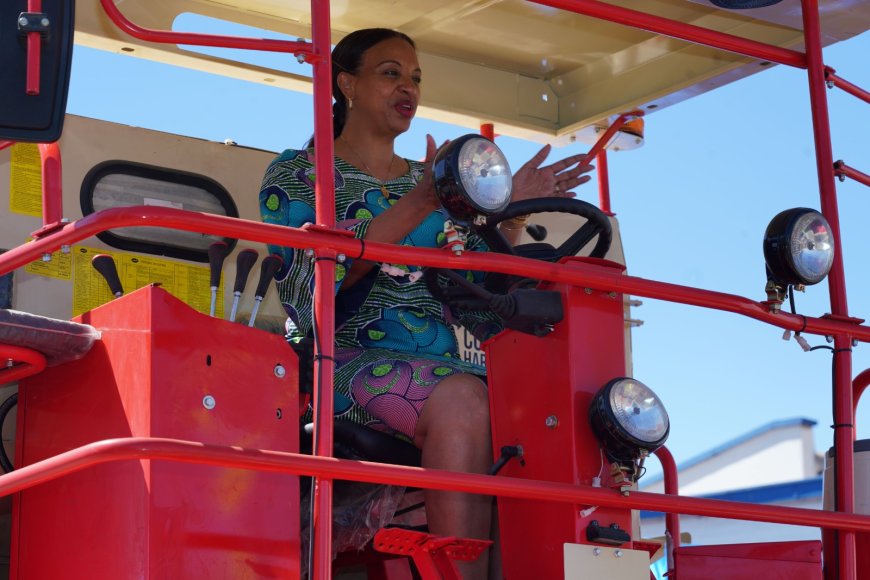
Eyerusalem Fasika, AfDB Group Country Manager for Zimbabwe, said the technologies are designed to ease labour burdens, particularly for women farmers who play a central role in post-harvest handling but are often disproportionately affected by losses. "These investments represent critical building blocks for a modern, competitive, and resilient agricultural sector that leaves no one behind," Fasika said.
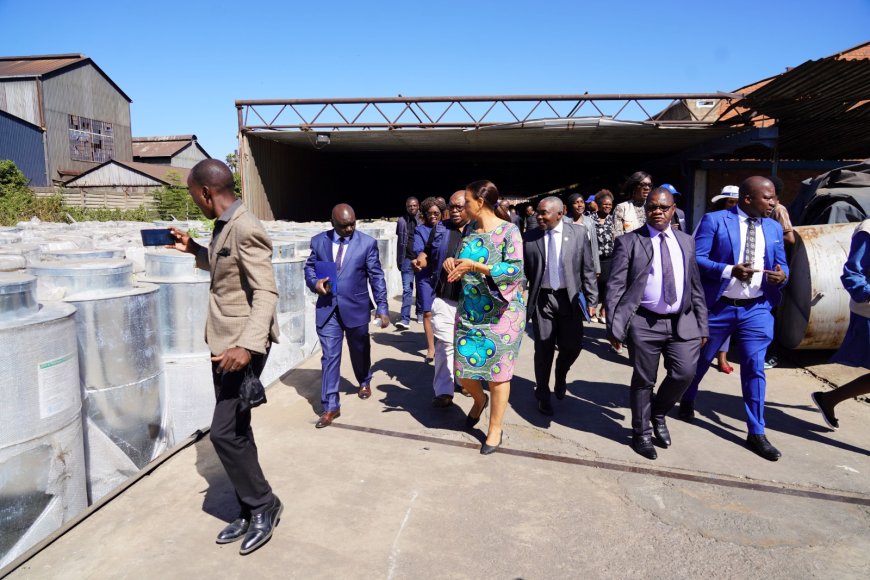
Fasika outlined that the initiative aligns with the African Development Bank's strategic framework anchored by four cardinal points, particularly harnessing demographic transformation through skills and job creation. "The targeting of beneficiaries deliberately places women farmers, young people, and organised smallholder farmer groups at the centre of this intervention, recognising their critical contribution to national food security," she said.
"The emphasis on shared-use models and farmer-based organisations ensures that these assets are not captured by a few, but instead benefit entire communities, reaching women-headed households and vulnerable farming families," Fasika added. "This is how we build resilience: not only through the provision of inputs and equipment, but through strengthening institutions, empowering farmer organisations, and enhancing collective capacity at community level."
Professor Obert Jiri, Permanent Secretary of the Ministry of Agriculture, said the handover comes at an opportune moment as Zimbabwe operates under the Agriculture Food Systems and Rural Transformation Strategy 2, targeting a reduction of pre- and post-harvest losses from 16.5 percent to 6 percent by 2030. "Post-harvest losses have been a silent thief to our food systems. For maize alone, it is estimated that if we are conservative, we lose about 28 percent of our harvest," Jiri said.
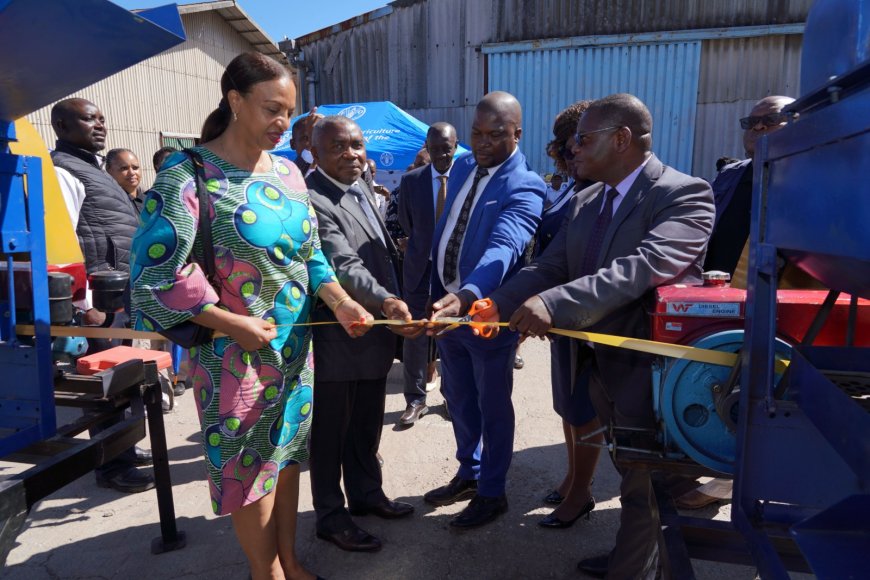
"For vegetables, losses can reach as high as 45 percent. I am sure for those that have gone to our mass markets, Mbare, Musika, you will witness these losses that we are talking about," he said. "This is totally unacceptable for a nation that has declared food sovereignty as a non-negotiable objective. Today with these metal silos and threshers, we strike back decisively against that notion of national food waste."
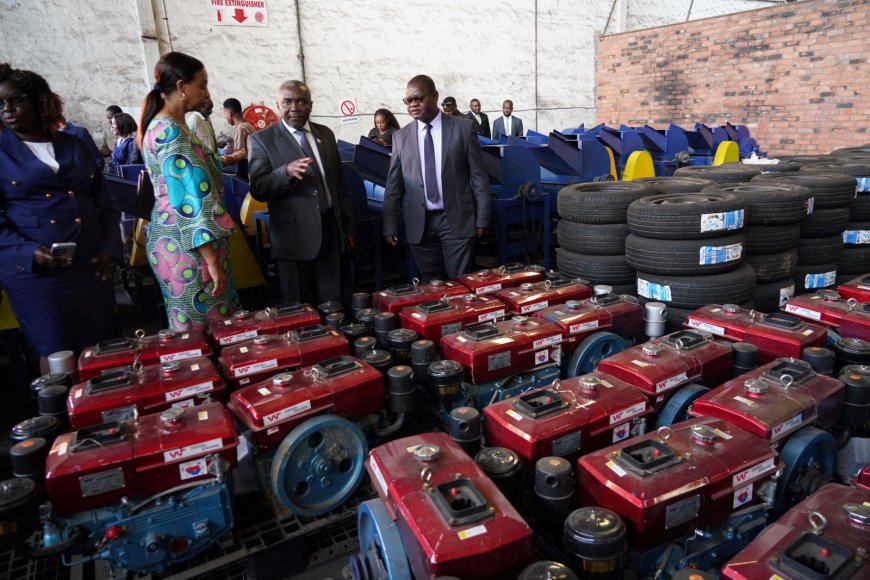
The Permanent Secretary confirmed that the metal silos will be deployed to smallholder households and village business units under the Rural Development 8.0 Agenda, protecting grain from pests, moisture, and aflatoxins. "The multi-crop threshers will dramatically reduce the labour burden on our women who provide over 60 percent of agricultural labour. These machines will reach our A1 farmers and our communal farmers where manual threshing has been a bottleneck to productivity," he said.
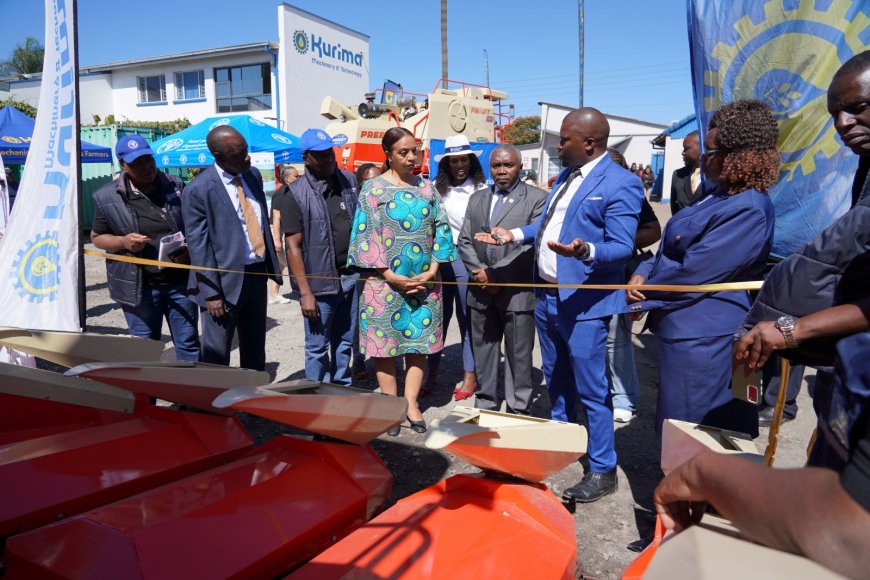
Jiri emphasised that the paradigm shift under the Agriculture Food Systems Strategy 2 is clear: "Agriculture and farming is a business. Going to the field is going to work. Every metal silo handed over today is a business asset. Every thresher is a tool for enterprise. Every combine harvester is a productivity multiplier. When we reduce these losses, we increase effective income without increasing planted area. That is efficiency. That is productivity. That is profitability. That is how we transform our A1 farmers into micro-enterprises."