Diaspora Remittances Hit US$2.45 Billion as Government Mobilises “11th Province” for NDS2 Growth
 Francis
0
8
GWERU – The Government of Zimbabwe has officially designated the diaspora as the country’s "11th Province," positioning millions of citizens abroad as the primary architects of a capital-intensive industrialisation drive.
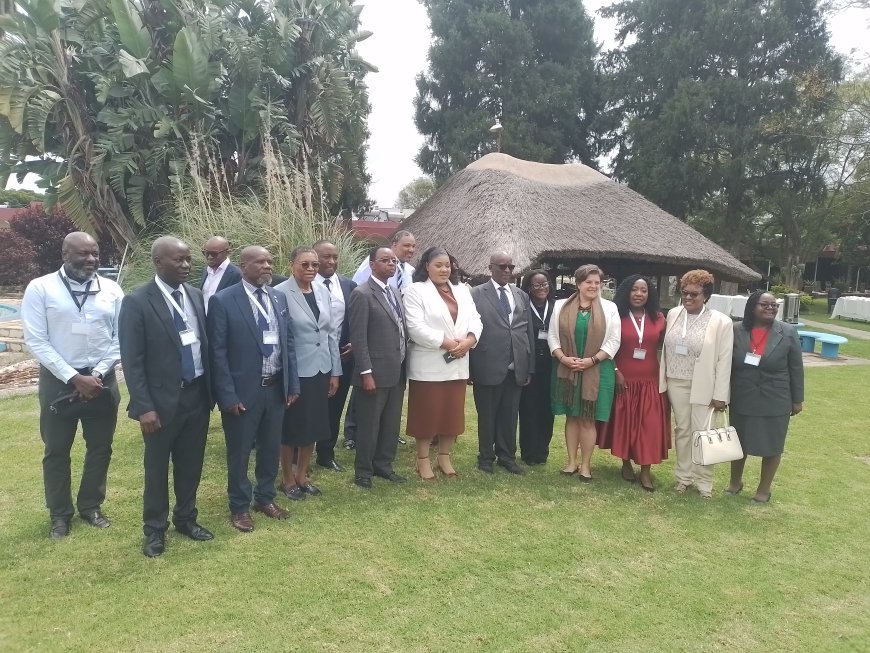
Speaking at the 4th Zimbabwe Annual Diaspora Conference (ZADC) in Gweru today, Minister of Foreign Affairs and International Trade, Professor Amon Murwira, revealed that diaspora remittances have surged from US$1 billion in 2020 to a record US$2.45 billion in 2025.
The Minister declared that the financial and intellectual contributions of those abroad are no longer optional, but a "constitutional obligation" under Sections 13 and 18 of the Constitution, which mandate the state to involve all citizens in national economic life.
Professor Murwira underscored that this engagement is central to the Second Republic’s "Nyika Inovakwa neVene Vayo" doctrine, asserting that Zimbabweans, regardless of their geographical location, remain the sole owners and builders of the nation’s future.
Central to the conference was the unveiling of the National Development Strategy 2 (NDS2), a bold economic blueprint designed to accelerate structural transformation and deepen national resilience through sweeping, system-wide reforms.
A key pillar of this strategy is the mandatory beneficiation of Zimbabwe’s mineral wealth. The Minister reaffirmed that the government has moved to halt the export of raw mineral ores to ensure national resources translate into local employment and enhanced export value.
The government is now calling on diaspora professionals to bridge the technical gap by introducing advanced processing technologies and global market expertise to strengthen the domestic industrialisation drive.
Beyond mining, the NDS2 framework prioritises value chain optimisation in agriculture and infrastructure development, aiming to connect local communities to global markets through the help of diaspora-led trade partnerships.
Professor Murwira challenged the diaspora to act as a "natural bridge" for international trade, leveraging their presence in diverse global economies to unlock new markets for high-value Zimbabwean goods and services.
The Minister also highlighted the tourism sector as a critical asset, urging the diaspora community to serve as national ambassadors to position Zimbabwe as a premier global destination for both leisure and investment.
To support these ambitions, the government pledged to continue refining fiscal and monetary policies. Professor Murwira assured investors that the "Zimbabwe is Open for Business" mantra is backed by a robust commitment to enhancing the ease of doing business.
The conference concluded with a call for a "whole-of-society approach," as the government seeks to merge diaspora capital with local innovation to achieve the national goal of becoming an Upper Middle-Income Society by 2030.