Headline: Global Networks, Local Growth: Zimbabwe Taps Diaspora Skills to Power Export-Led Industrialization
Headline: Global Networks, Local Growth: Zimbabwe Taps Diaspora Skills to Power Export-Led Industrialization
 Francis
0
6
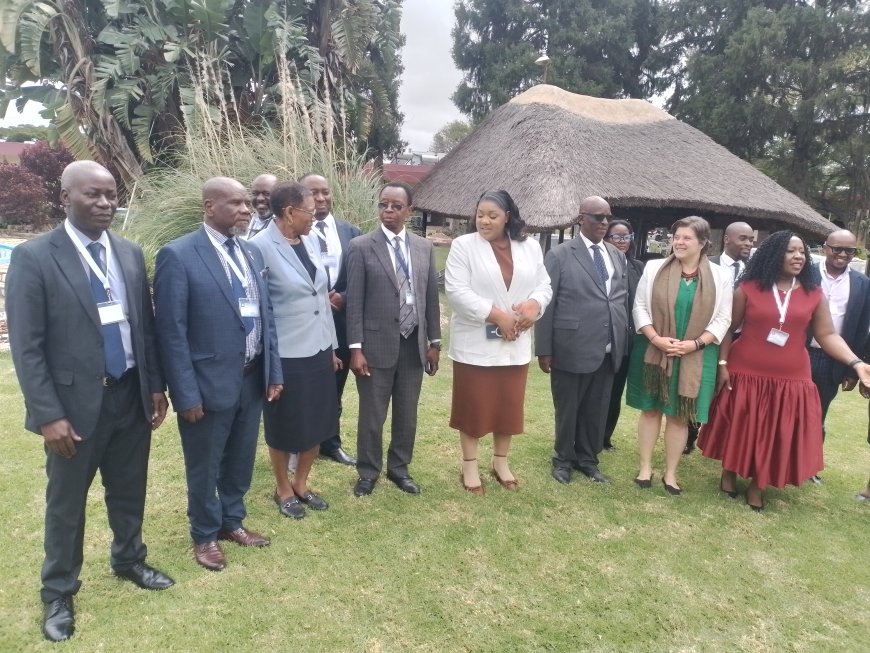
GWERU – The Government of Zimbabwe has raised the stakes at the 4th Zimbabwe Annual Diaspora Conference (ZADC), unveiling a strategic roadmap to transform the nation into a regional manufacturing powerhouse by leveraging its most potent "competitiveness assets": its human capital and production capacities. Addressing delegates in Gweru, officials argued that Zimbabwe’s recovery is no longer just about financial remittances, but about the aggressive harnessing of diaspora skills and global networks to unlock stagnant industrial value chains.
A central pillar of the 2026 summit is the optimization of Zimbabwe’s existing production capacities. The government is inviting the diaspora to take over and modernize underutilized industrial plants, particularly in the manufacturing and agro-processing sectors. By injecting both capital and technical "know-how" from abroad, the state aims to pivot from exporting raw, unprocessed commodities to high-value finished goods, such as textiles, leather products, and processed foods, which currently dominate the nation's import bill.
To facilitate this shift, the government is pitching the establishment of specialized "Export Hubs" across the country’s provinces. These hubs are designed to serve as springboards for Zimbabwean products into the global market. By utilizing the diaspora’s intimate knowledge of international quality standards and logistics, these hubs will streamline the movement of goods from local factories to international retail shelves, ensuring that "Made in Zimbabwe" becomes a competitive global brand.

The conference also underscored Zimbabwe’s unique positioning within the African Continental Free Trade Area (AfCFTA) and existing SADC and COMESA regional trade agreements. Strategically located as a logistical corridor, the country is being marketed as the ideal base for diaspora-led businesses to manufacture goods duty-free for a market of over 1.3 billion people. Investors are being urged to view Zimbabwe not as a landlocked nation, but as a "land-linked" gateway to the entire continent's trading blocs.
Recognizing that finance alone is insufficient, the Ministry of Higher and Tertiary Education issued a direct call for the "brain gain" of the diaspora’s skills base. The state is seeking experts in academia and research to partner with local Innovation Hubs to commercialize home-grown patents. This collaboration is intended to ensure that local production is fueled by cutting-edge scientific data, making Zimbabwean industries more resilient and technologically advanced than their regional peers.
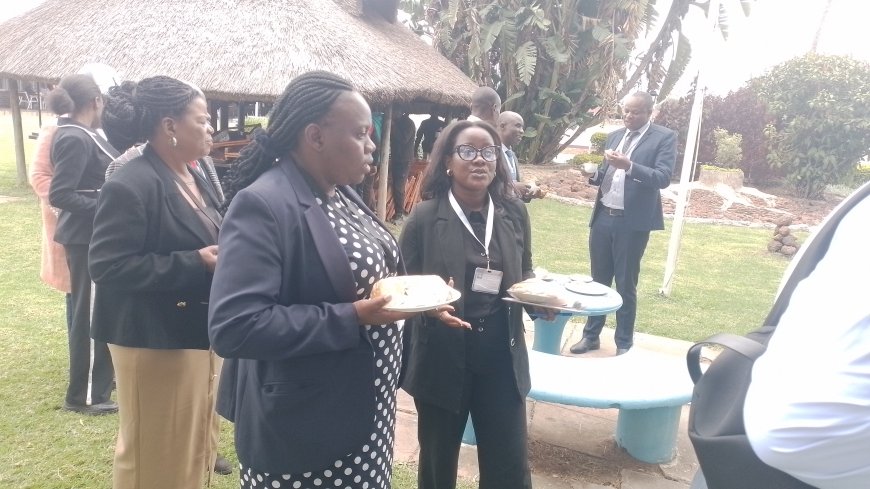
As the summit moves into its final sessions, the focus remains on creating a formalized framework for diaspora-led consortiums to bid on major infrastructure, energy, and mining projects. By aligning the diaspora’s global networks with Zimbabwe’s immense mineral wealth—including its world-class platinum and lithium deposits—and its strategic healthcare and ICT sectors, the government believes the nation is uniquely positioned to achieve its Vision 2030 goals through a citizen-driven industrial revolution.