"Gweru Summit: Zimbabwe Unveils Multi-Sector Investment Roadmap for Diaspora to Drive Vision 2030"
"Gweru Summit: Zimbabwe Unveils Multi-Sector Investment Roadmap for Diaspora to Drive Vision 2030"
 Francis
0
5

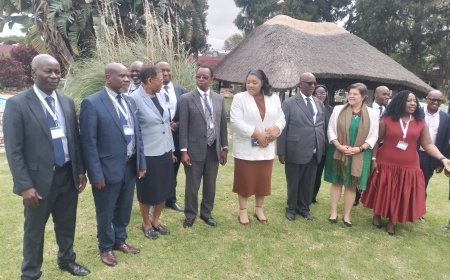
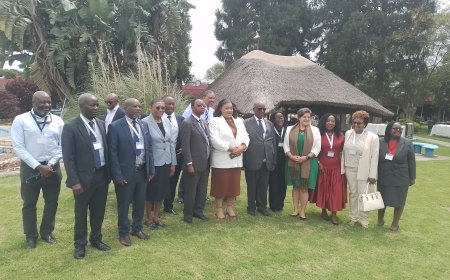
GWERU – The 4th Zimbabwe Annual Diaspora Conference (ZADC) opened in Gweru today, with the government issuing a high-stakes call for the millions of Zimbabweans living abroad to spearhead a massive capital injection into the country’s primary and secondary industries.
The three-day hybrid summit, themed “Diaspora Powering Innovation, Partnerships, and Sustainable Growth Toward Vision 2030,” positioned the nation as a fertile investment ground. Officials stressed that the diaspora community is the missing link in unlocking value across multiple sectors that remain ripe for large-scale development.
Infrastructure development took center stage as a primary pillar for growth. Government representatives invited investors to finance the expansion and modernization of existing networks, alongside the construction of new projects. Key opportunities highlighted include modern highways and automated tollgates linking major cities, dam construction, and the development of budget hotel chains to bolster the tourism sector.
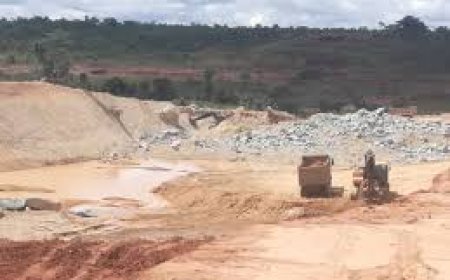
In the mining sector, which remains the country's major attraction, the conference underscored Zimbabwe's status as a global mineral powerhouse. With over 60 internationally tradable minerals and the world’s second-largest platinum deposits, the state urged the diaspora to move beyond extraction. Opportunities now span the entire value chain, including exploration, technical services, and the critical need for local beneficiation and value addition.
The energy deficit was addressed as a strategic opening for private players. Highlighting Zimbabwe’s position as a gateway to the Southern African market, speakers noted that immense renewable and coal resources remain underutilized. Investors are being courted to enter the electricity and petroleum sub-sectors to power the nation’s industrial drive.
Manufacturing was identified as a sector in its nascent stage, currently dominated by the export of unprocessed commodities. To reverse this trend, the Ministry of Industry and Commerce presented a roadmap for investment in textiles, leather, and food processing, aiming to transform Zimbabwe from a raw material exporter into a regional manufacturing hub.
Agriculture, described as the mainstay of the economy, was presented as the essential provider of vertical and horizontal linkages to all other sectors. Beyond traditional farming, the conference highlighted the urgent need for investment in agro-processing to secure raw materials for the domestic industry and increase the value of agricultural exports.
The digital frontier was equally prioritized, with the government unveiling a "Smart Zimbabwe" roadmap centered on ICT and Fintech. Officials called for diaspora expertise to build robust digital payment systems and e-commerce platforms, citing the country’s high mobile penetration as a launchpad for financial inclusion technologies that can serve the wider SADC region.
Bridging the gap between theory and industry, the conference emphasized the role of academia and research in driving national productivity.
The Ministry of Higher and Tertiary Education urged Zimbabweans in global research institutions to partner with local "Innovation Hubs" to commercialize home-grown patents, ensuring that local industry is fueled by cutting-edge scientific data and advanced skill sets.
The healthcare sector was also a major focus, with the government pitching Zimbabwe as a strategic logistical hub for the SADC and COMESA regions. Delegates were encouraged to invest in modern health infrastructure, including specialized hospitals and clinics, to cater to both the domestic and regional African markets.
Financial experts at the summit emphasized that the current economic climate offers a unique "first-mover advantage" for those willing to provide finance and logistics. They argued that the diaspora’s unique understanding of both international standards and local dynamics makes them the ideal partners for these capital-intensive projects.
The conference concludes on Saturday with a series of closed-door breakaway sessions. These meetings are expected to produce concrete investment agreements and a formalized framework for diaspora-led consortiums to begin bidding on national infrastructure and mining projects.