Protect Your Wallet Abroad: A Traveler’s Essential Protocol for Bank Card Safety
 Francis

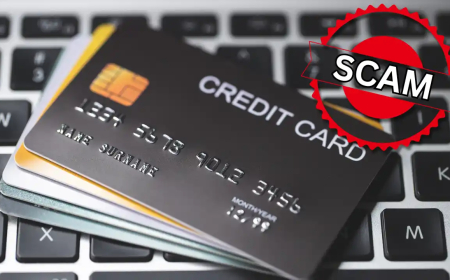
In an era of seamless global travel and digital payments, the threat of bank card fraud looms as a persistent concern for international voyagers. From sophisticated skimming devices at foreign ATMs to covert data theft over unsecured networks, travelers are often prime targets. Adhering to a structured safety protocol—spanning preparation, in-country vigilance, and emergency response—is no longer a luxury but a fundamental component of modern trip planning.
Phase 1: The Fortified Foundation – Pre-Departure Preparation
Security begins long before reaching the airport. Proactive travelers start by formally notifying their bank of travel dates and destinations to prevent legitimate transactions from being flagged and cards frozen. Financial strategy is key: experts unanimously advise prioritizing credit cards over debit cards for daily spending, as they offer stronger fraud protection and do not provide direct access to one’s primary bank account.
A crucial logistical step is establishing a digital command center. This involves scanning or photographing essential documents—passport, driver’s license, credit cards (front and back), and itinerary—and storing them securely in a password-protected cloud service. This ensures immediate access if originals are lost or stolen. Finally, activating real-time transaction alerts via SMS or mobile banking apps creates an essential early-warning system for any unauthorized activity.
Phase 2: On-the-Ground Vigilance – Conduct and Awareness
Once abroad, situational awareness becomes the primary defense. At ATMs, a careful inspection for any loose, damaged, or suspicious attachments on the card reader or keypad is mandatory. Opting for machines located inside reputable bank branches significantly reduces skimming risk. During restaurant or retail transactions, the golden rule is to never let your card out of sight; requesting that it be processed at your table or in front of you mitigates the risk of it being taken to a hidden skimmer.
Digital hygiene is equally critical. Accessing online banking or making card purchases on public Wi-Fi networks, common in hotels and cafes, is a high-risk activity. Using a reputable Virtual Private Network (VPN) encrypts this connection. Where available, leveraging mobile payment systems like Apple Pay or Google Wallet provides a superior layer of security through tokenization, ensuring your actual card number is never transmitted to the merchant.
Phase 3: The Rapid Response – Containing a Breach
Despite the best precautions, incidents can occur. The single most important action is speed. The moment a card is lost, stolen, or shows suspicious transactions, the cardholder must contact their bank’s 24/7 international hotline immediately to report it, dispute charges, and request a freeze or replacement. This swift action is the cornerstone of limiting financial liability.
Simultaneously, the traveler should begin documenting the incident. This includes noting the time, location, and circumstances of the suspected fraud, and saving any related transaction alerts. This information becomes vital evidence. If the fraud is suspected to be linked to a specific vendor or official payment point—such as a border post tax kiosk—this should be formally reported to the relevant local authority (e.g., a national revenue service) in addition to the bank, to aid their own security audits.
This three-phase protocol transforms a traveler from a passive potential victim into an active defender of their own financial security. By systematically preparing, practicing vigilant in-country conduct, and knowing the steps for a rapid response, globetrotters can significantly reduce their risk and ensure that a fraudulent charge remains nothing more than a minor travel anecdote, not a trip-derailing crisis.