UNDP Zimbabwe Reaffirms Commitment Across Key Development Pillars For 2025
 Francis
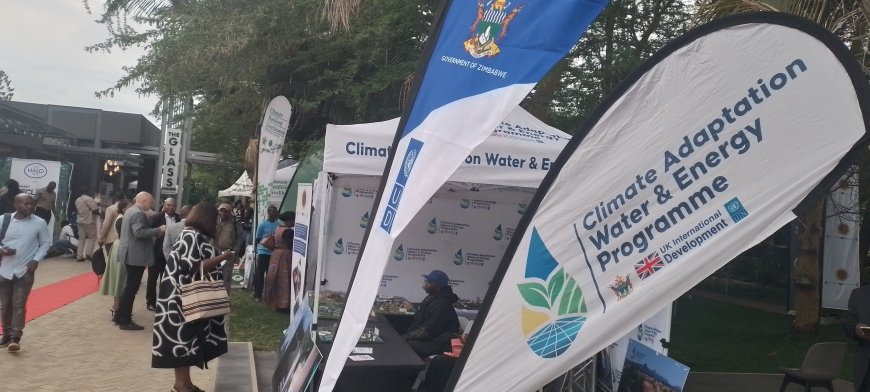
The United Nations Development Programme (UNDP) in Zimbabwe has detailed its strategic priorities and support areas for 2025, aligning closely with the government's National Development Strategy 2 (NDS2) and the broader United Nations Sustainable Development Cooperation Framework (UNSDCF) 2022-2026. This reaffirmation, captured in recent high-level program board meetings and the ongoing Country Programme Document (CPD) 2022-2026, highlights the organization's focus across four interconnected thematic pillars of support: Peace, Prosperity, Planet, and People.
UNDP’s support under the Peace pillar focuses on building resilient systems for justice, accountability, and inclusive participation, contributing to the ultimate goal of strong institutions.
Governance Reforms: Support is directed towards improving transparency and accountability within governance systems. This includes technical assistance to key institutions and reforms under the Open State principles.
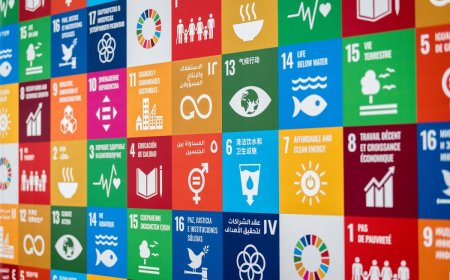
Human Rights and Inclusion: UNDP has been instrumental in furthering Electoral Gender and Disability Inclusion Policies, ensuring a more inclusive democratic process. The organization continues to support Zimbabwe in its Voluntary National Review (VNR) to track Sustainable Development Goal (SDG) progress and implementation.
Rule of Law and Accountability: Efforts are directed at strengthening the rule of law and the accountability of institutions through improved oversight mechanisms.
The Prosperity pillar targets inclusive economic growth, job creation, and poverty reduction, with a strong emphasis on innovative financing.
Economic Empowerment: Initiatives are focused on increasing access to green finance and impact investment opportunities, especially through collaborations with the private sector. The goal is to facilitate capital investments that promote sustainable livelihoods.
Domestic Resource Mobilisation (DRM): A key strategic priority for 2025 is to expand partnerships to enhance Domestic Resource Mobilisation and secure innovative financing to support national development goals.
Debt Dialogue Support: UNDP has provided critical strategic support to the Debt Dialogue and Arrears Clearance process, an essential step for macroeconomic stability and accessing international finance.
The Planet pillar addresses the environmental and climate crisis, focusing on resilience, renewable energy, and sustainable natural resource management.
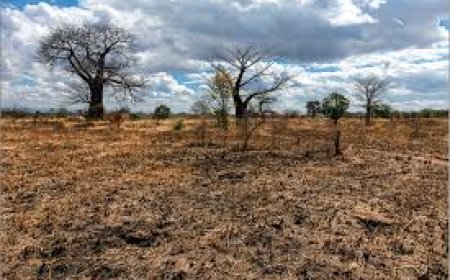
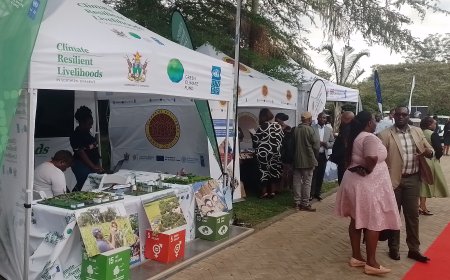
Climate Resilience & Adaptation: Support involves scaling up climate adaptation strategies for vulnerable communities. Past achievements include contributing to hardship reduction for nearly 400,000 people during droughts and adding 400 hectares of climate-smart irrigation.
Renewable Energy Access: UNDP is committed to scaling up renewable energy projects, notably the Green Village Model. Past achievements include expanding cumulative renewable energy installations to 13.9 megawatts, ensuring reliable power across sectors, including the solarisation of over a thousand health facilities.
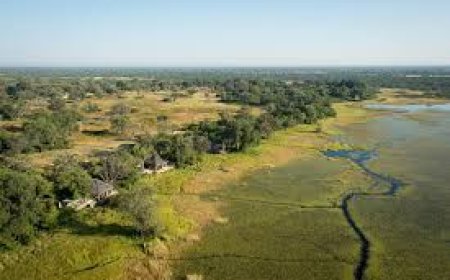
Environmental Protection: Support includes promoting integrated landscape approaches to managing wildlife resources, carbon, and ecosystems, and working to stabilize animal populations and reverse poaching trends.
This pillar is dedicated to enhancing human capabilities, health systems, and the resilience of communities to various shocks.
Health System Strengthening: A major focus remains on health, particularly the fight against HIV, Tuberculosis, and Malaria. UNDP has acted as the Principal Recipient for Global Fund grants, managing about $1 billion in support since 2009 and helping to keep over 1.2 million people on life-saving HIV treatment.
Community Resilience: The organization continues to manage the Zimbabwe Resilience Building Fund (ZRBF), which has a track record of enhancing the resilience capacities and mitigating the negative effects of shocks on the food security status of hundreds of thousands of vulnerable people.
Digitalisation: Efforts are being expanded to use digitalisation to enhance agricultural extension services and other basic services, making them more accessible to remote communities.
These thematic areas collectively form the framework for UNDP’s support in Zimbabwe, leveraging innovation and partnerships to accelerate progress toward the Sustainable Development Goals (SDGs) and the vision of a prosperous, inclusive, and resilient nation.