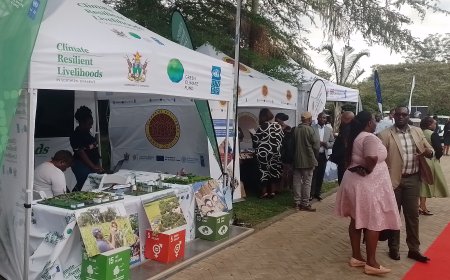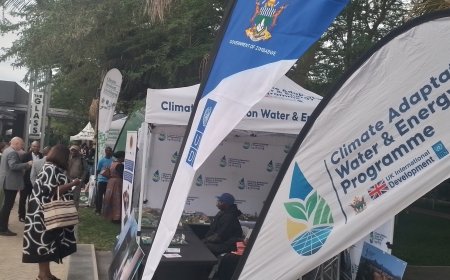
Multi-Million Dollar Project Deploys Climate-Resilient Farming to Aid 2.3 Million Vulnerable Zimbabweans
 Francis

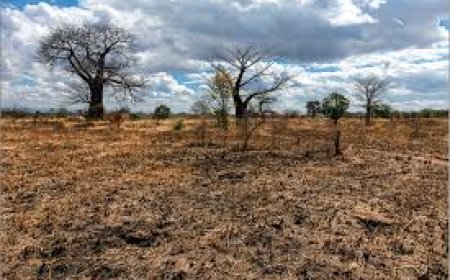
The Government of Zimbabwe, in partnership with the United Nations Development Programme (UNDP) and the Green Climate Fund (GCF), is currently implementing a major climate change adaptation project designed to strengthen the agricultural livelihoods of more than two million vulnerable people in the country's arid southern regions.

The seven-year, US$26.6 million initiative, titled "Building Climate Resilience of Vulnerable Agricultural Livelihoods in Southern Zimbabwe," targets smallholder farmers across 15 districts in Manicaland, Masvingo, and Matabeleland South provinces. The project's goal is to move communities away from short-term crisis responses toward a holistic, long-term strategy that empowers farmers to manage increasing climate risks.
A central focus is the adoption of climate-resilient practices and infrastructure. Key activities include the revitalization and climate-proofing of existing irrigation schemes and the implementation of water harvesting techniques on rain-fed lands. Already, more than 40,000 farmers have benefited from water harvesting and climate-smart water management measures.
Furthermore, the programme is driving a shift toward drought-tolerant crops. Over 220,000 people have been provided with improved varieties of cereal crops such as red sorghum and pearl millet, which are more reliable than maize under low rainfall conditions. Farmers are also being equipped with knowledge through hands-on "Farmer Field School" models, learning how to maximize soil water infiltration and storage.
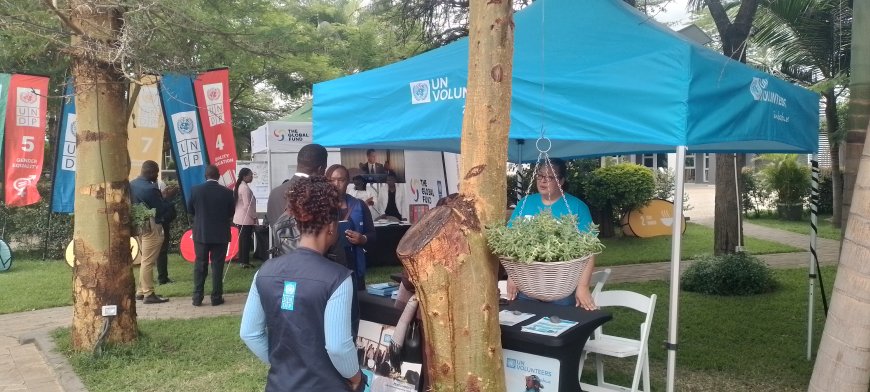
The project is a significant component of the UNDP's 2022-2026 Country Programme for Zimbabwe, which prioritizes Nature, Climate, and Energy as one of its three core programmatic areas, aiming to build long-term resilience against environmental impacts.