EU set to finally move to ban Chinese vendors from telecoms networks
 Francis
As the US continues to ramp its hostility towards Europe, one diplomatic pain point between the two could be about to be resolved.
US President Trump’s decision to impose unilateral tariffs on several European countries in order to force the sale of Greenland came as a bit of a shock but it’s hard to be surprised by this sort of thing anymore. The continent’s leaders may be relieved he didn’t go straight to sending in special forces to kidnap them, but you never know.
Perhaps Trump’s worst impulses will by restrained by a European decision to take the harder line on the presence of Chinese vendors in strategic infrastructure that he has demanded since his first spell in the Oval Office. In classic EU style, it initially attempted to sit on the fence by announcing a ‘toolbox’ in 2020 that offered risk mitigation top-tips but contained no mandates. Trump prefers mandates.
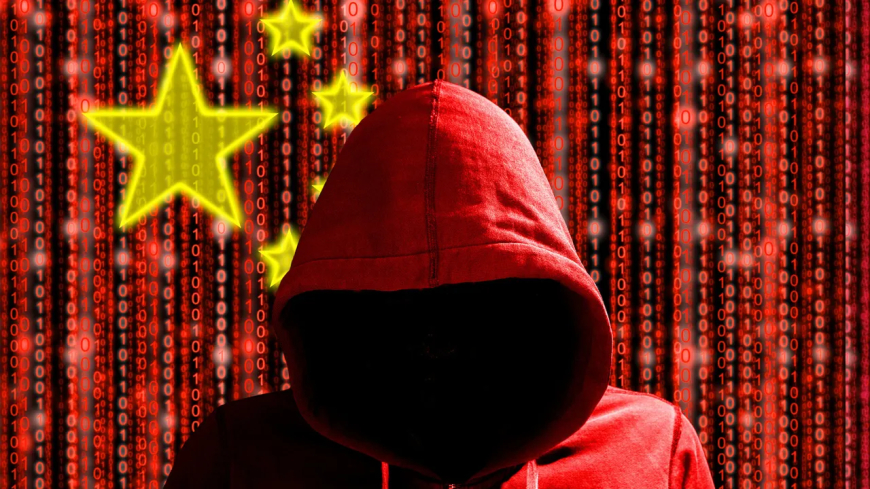
According to an FT report, it has taken the EU a mere six years to attempt give Trump what he wants as part of an update to its Cybersecurity Act that is expected to be unveiled tomorrow. It cites unnamed EU officials as its source for asserting that the new legislation will deliver the longed-for mandate to exclude ‘high risk’ vendors from not just telecoms networks but solar energy and security systems too.
One of the reasons the EU takes so long to do anything is that it’s not a full political union, meaning many decisions need the explicit approval of national governments before they can come into effect. Last week Politico reported that some of those governments don’t like the thought of security decisions such as these being taken out of their hands by the EU. It seems likely that tomorrow’s announcement, if is goes as expected, will be greeted by the sound of feathers ruffling in the continent’s capitals.
Our own conversations with insiders clarify that tomorrow’s announcement will still just be proposal, which presumably means this matter will remain unresolved one way or the other for some time. It seems likely that those European operators which still use Chinese kit will lobby for any ban to be delayed until the start of the 6G era – i.e. the end of this decade. Meanwhile NATO may also have significant influence through the possible introduction of a ‘trusted networks’ policy.
The EU will insist that all these decisions are being made independently and free from US influence but that’s becoming harder to accept. President Trump is making it increasingly clear that he’s prepared to threaten even close allies if they don’t do what he wants. However he can be appeased, at least temporarily, by gestures of submission, so perhaps it would be wise of the EU to frame this move as just that.
Source: https://www.telecoms.com