Zimbabwe Launches Ambitious BIOFIN Plan to Mobilise Millions for Nature Economy
 Francis
The Government of Zimbabwe, in partnership with the United Nations Development Programme (UNDP), has officially launched the Biodiversity Finance Initiative (BIOFIN), to safeguard its rich natural heritage and transition towards a sustainable "biodiversity economy," signaling a high-level national commitment to mobilise billions of dollars in both domestic and international finance required to close a critical funding gap for conservation and climate resilience.
Spearheaded by the Ministry of Environment, Climate and Wildlife and the Ministry of Finance, Economic Development and Investment Promotion, the initiative is much more than a technical exercise; it is positioned as a people-centred endeavour aimed at ensuring communities on the frontline of conservation directly benefit from protecting nature.
A New Economic Pillar: The Biodiversity Economy
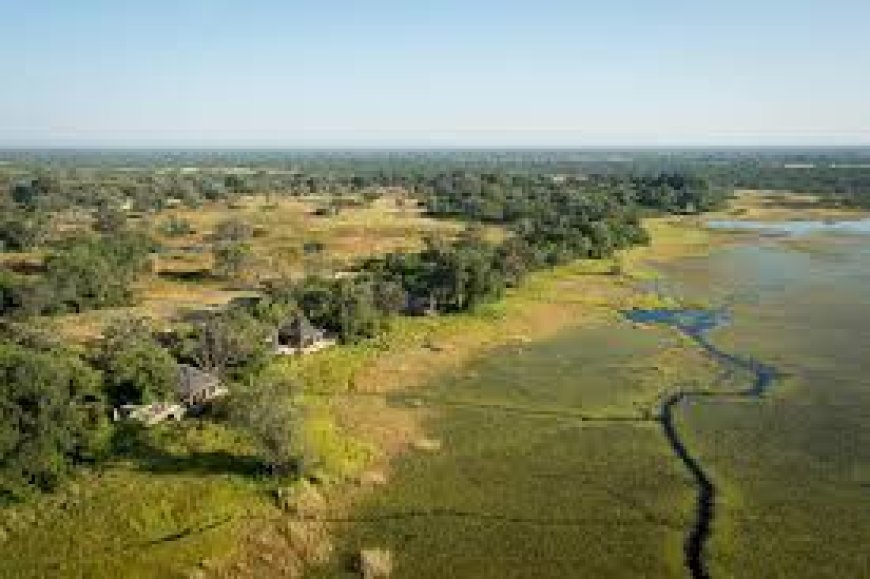
Zimbabwe is endowed with vast natural capital, from its diverse ecosystems and world-renowned wildlife to its fertile soils, all of which form the foundation of key economic sectors like agriculture, tourism, and forestry. However, the financial resources dedicated to protecting these assets have long been insufficient.
"Zimbabwe has placed the development of a biodiversity economy at the centre of its national policy framework," stated the Minister of Environment, Climate and Wildlife, Dr. Evelyn Ndhlovu, at the launch. "This approach seeks to strengthen key biodiversity sub-sectors—from wildlife, forestry, fisheries, and bio-trade to payment for ecosystem services—thus ensuring that biodiversity conservation contributes directly to economic growth, job creation in green value chains, and community empowerment."
The rationale is clear: by treating nature as a productive asset rather than a liability, conservation can be transformed from a financial burden into a profitable land-use option. The BIOFIN methodology provides a robust, evidence-based framework to systematically identify financing needs, assess current expenditures, and design innovative solutions to plug the gap.
📈 Closing the US$700 Billion Global Gap
Zimbabwe’s commitment aligns with the new Kunming-Montreal Global Biodiversity Framework (GBF), a landmark global agreement adopted in 2022. The GBF’s Target 19 calls for the mobilisation of at least US$200 billion per year globally by 2030 from all sources to finance National Biodiversity Strategies and Action Plans (NBSAPs). The global finance gap for biodiversity is currently estimated at around US$700 billion annually.
UNDP's Deputy Resident Representative, Mr. Challa Getachew, underscored the gravity of the mission. “This initiative also aligns with UNDP's global Nature Pledge and our commitment to mobilise significant new finance for nature annually. For Zimbabwe, BIOFIN will contribute to climate resilience, job creation, and greater integration of nature in national budgeting. Investing in nature is investing in our shared future," he noted.
Zimbabwe has joined a global community of more than 90 countries implementing the BIOFIN methodology, signaling its determination to make biodiversity finance a cornerstone of green, inclusive, and climate-resilient development, fully aligned with the National Development Strategy 2 (NDS2).
Key Components and Innovative Solutions
The BIOFIN process is a meticulous, multi-step financial planning exercise designed to deliver a National Biodiversity Finance Plan (BFP) built on four strategic pillars:
1. The Evidence Base: Assessments
Biodiversity Expenditure Review (BER): A detailed audit to quantify how much the public sector, private sector, and civil society are currently spending on biodiversity. Crucially, this review also pinpoints "harmful subsidies"—government spending that negatively impacts nature, such as certain agricultural or fossil fuel subsidies—with a view to repurposing them for conservation.
Financial Needs Assessment (FNA): An estimation of the total costs required to fully implement Zimbabwe's national biodiversity targets, thus determining the country’s biodiversity finance gap.
Policy and Institutional Review (PIR): An analysis of the existing legal, policy, and institutional frameworks to identify barriers and opportunities for finance mobilisation.
2. The Solution: The Biodiversity Finance Plan (BFP)
The BFP identifies and prioritizes a suite of innovative finance solutions tailored to Zimbabwe’s unique context. These are strategies designed to generate new revenues, enhance cost-effectiveness, and align financial flows to be nature-positive.
Rationale for Innovation: The country cannot rely solely on the traditional fiscus or tourism revenue, especially given the volatility of global markets and increasing pressure from climate change. The finance solutions are designed to be resilient and domestic.
Among the top-priority finance solutions being actively explored for Zimbabwe are:
Green Bonds and Green Fiscal Policy: Developing a framework for issuing a national Green Bond on the Zimbabwe Stock Exchange (ZSE). The proceeds from this bond would be strictly earmarked for eligible green and biodiversity-positive projects, such as renewable energy infrastructure, climate change adaptation, and biodiversity conservation efforts. This is a critical tool for attracting private and institutional investment into the biodiversity sector.
Payments for Ecosystem Services (PES): Developing and scaling up PES schemes where beneficiaries of ecosystem services (like clean water from a protected catchment area) pay the custodians of that ecosystem (local communities or conservation bodies) for maintaining the service. This creates a direct financial incentive for conservation at the community level.
Bio-trade and Bioprospecting Levy: Formalising and financing the emerging bio-trade economy—the sustainable and equitable commercialisation of indigenous resources such as medicinal plants, baobab fruit, and marula nuts. A dedicated levy or royalty on such trade could channel revenue back into the conservation of these resources and the communities that steward them.
Transformation at the Community Level
The true test of the BIOFIN initiative will be its ability to translate high-level financial planning into tangible, life-changing benefits for rural communities.
Zimbabwe has a long history of community-based natural resource management, notably through the pioneering CAMPFIRE (Communal Areas Management Programme for Indigenous Resources) model. However, subsequent challenges highlighted the need for more direct and transparent financial flows to communities. BIOFIN seeks to address this by ensuring that the finance solutions are people-centred.
Livelihood Diversification: Through initiatives like bio-trade, communities are empowered to earn a living from wild resources without depleting them. For example, the sustainable harvesting and ethical market access for honey, baobab, and herbal teas provide families with income to pay school fees, improve homes, and invest in local infrastructure.
Conservation Custodianship: By creating robust revenue streams linked directly to the health of an ecosystem, the programme provides local men and women with a tangible stake in the success of conservation. This transforms the relationship between people and wildlife from conflict to coexistence, notably helping to manage challenges like human-wildlife conflict by enabling communities to fund protective measures.
Youth and Women Empowerment: The design of the finance plan explicitly promotes the participation of women and youth in new green jobs and value chains, recognizing their vital role as custodians and beneficiaries of nature.
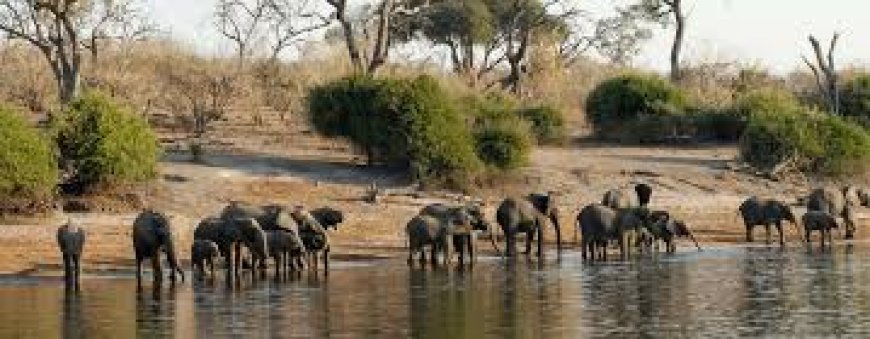
As Zimbabwe continues to bear the financial burdens of managing critical wildlife populations, such as elephants whose numbers often exceed the ecological carrying capacity of certain areas, unlocking the responsible, sustainable value of these natural assets is not merely about profit—it is about providing the essential funding required to protect species and empower the frontline communities who live alongside them.
The BIOFIN launch marks a fundamental shift: a national commitment to systematically budget, invest, and innovate for nature, setting the stage for a decade of resilient economic growth built upon the country's most precious asset—its natural capital. The success of this ambitious plan will determine whether Zimbabwe's rivers continue to flow, its forests continue to breathe, and its children inherit a country richer, not poorer, in natural wealth.