Steps Towards Sustainability – Hakwata Drip Irrigation Garden, Navigating Climatic Shocks and Stresses
Steps Towards Sustainability – Hakwata Drip Irrigation Garden, Navigating Climatic Shocks and Stresses
 Francis
Steps Towards Sustainability – Hakwata Drip Irrigation Garden, Navigating Climatic Shocks and Stresses
CHIPINGE – In the semi-arid district of Chipinge, a community of 113 residents is finding new ways to manage the recurring dry spells that often threaten local harvests. The Hakwata Drip Irrigation Garden, known locally as “Kugarahakuna chimuko” (to sit idly brings no benefit), has transitioned from a small-scale pilot into a functional community enterprise that is now supplying fresh produce to local markets and neighboring areas.
The initiative is a collaborative effort between the Government of Zimbabwe, UNDP Zimbabwe, and the UK Government through the FCDO. By integrating water-efficient drip irrigation with practical business training, the project has supported local farmers in moving toward a more sustainable production model, generating improved income from land traditionally prone to drought.
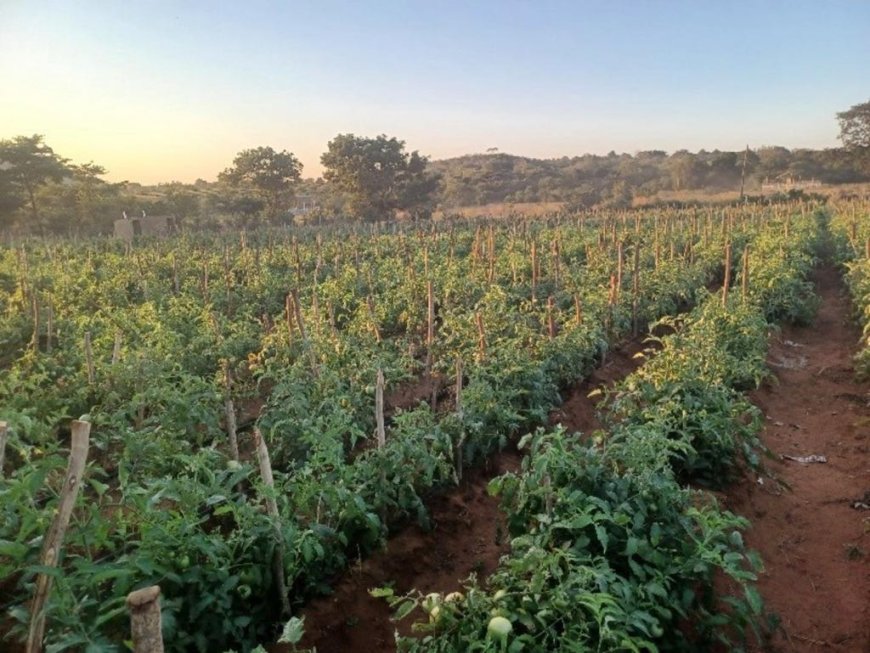
A key factor in the project’s stability has been the community’s focus on long-term growth. After an initial cropping cycle provided a modest return on investment, the participants collectively decided to reinvest their earnings into a second, larger cycle. This decision led to the planting of 30,000 tomato and cabbage plants, resulting in a substantial harvest of 26.8 tonnes of produce.
These results are significant for a region that typically receives only 450mm to 650mm of rainfall annually. Between June and August, the garden successfully generated over $5,000 in sales, with continued production into the third cycle in late 2025. These funds are managed through a community account at AFC Bank, ensuring that proceeds are handled with transparency and prioritized for reinvestment.
Market access has been a primary strength of the garden’s development. The farmers have independently secured buyers for approximately 98% of their harvest, supplying the local Checheche growth point, surrounding villages, and markets across the border in Mozambique. This self-sufficiency demonstrates the community's ability to navigate local trade opportunities when provided with the necessary business skills.
Beyond income generation, the garden serves as a vital safety net for household food security. While most produce is grown for sale, members shared approximately 20kg of tomatoes per household during the peak season. For these families, the garden provides a reliable source of nutrition and a financial buffer to cover essential costs like school fees during periods when rain-fed crops fail.
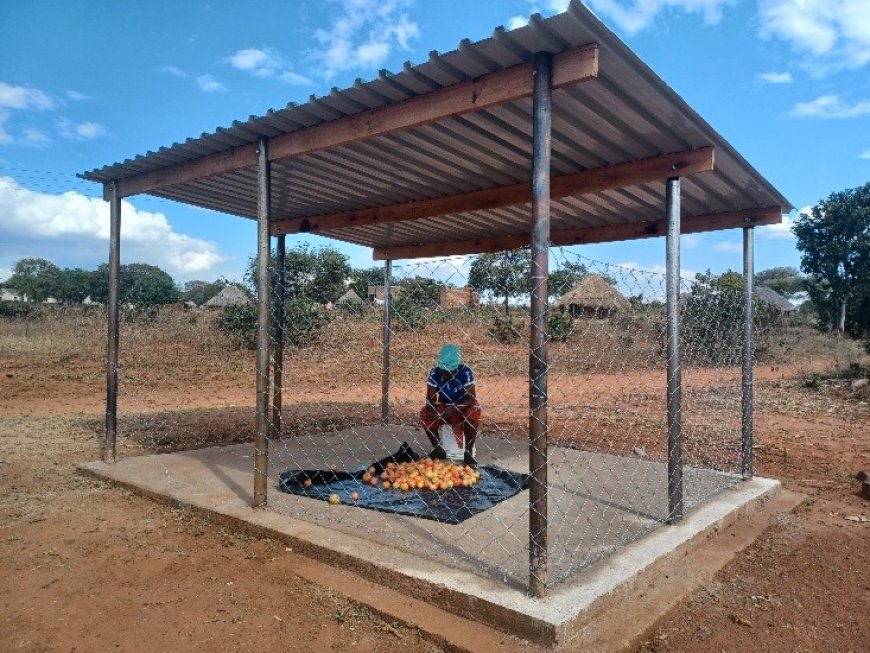
Community ownership has also led to practical infrastructure improvements. Using $285 of their own generated income, the garden committee constructed a dedicated sales shed to provide a safer environment for transactions. This small-scale project added value to the local economy by employing local labor, further demonstrating the community's commitment to self-reliance.
Technical adaptability has played a crucial role in maintaining productivity. Farmers have refined their crop choices based on market demand and water availability, for instance, prioritizing tomatoes over less resilient options. They have also adopted integrated pest management strategies to protect their crops from common threats such as Fall Armyworm and blight.
The leadership remains focused on expanding the garden’s reach to further improve local livelihoods. Ndaizivei Makhuyana, the garden chairlady, noted that in a region where rainfall is unpredictable, irrigation has become a primary support for the community. The committee now plans to increase the production area to provide more consistent income for all 113 members.
As national discussions continue regarding the modernization of agriculture, the Hakwata model offers a practical example of community-led development. It shows that with a combination of water-saving technology and sound business practices, rural communities can build meaningful resilience against climatic challenges.