Headline: Breaking the Barriers: Gweru Summit Confronts the ‘Cost of Investing’ for Zimbabwe’s Global Diaspora
Headline: Breaking the Barriers: Gweru Summit Confronts the ‘Cost of Investing’ for Zimbabwe’s Global Diaspora
 Francis
0
8
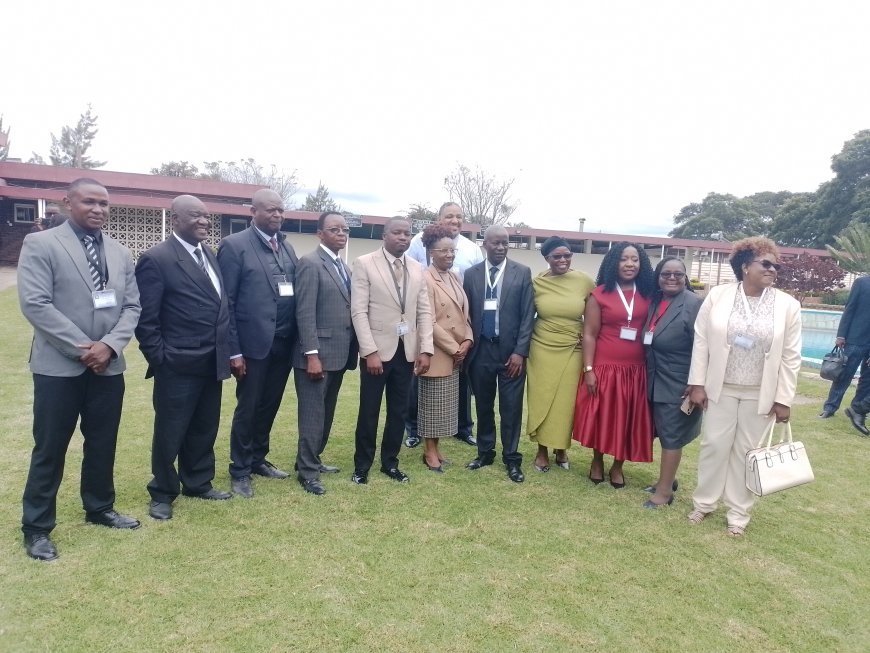
GWERU – While the 4th Zimbabwe Annual Diaspora Conference (ZADC) has vibrantly showcased a "land of opportunity," day two shifted toward a candid and high-stakes dialogue regarding the systemic hurdles stalling diaspora capital. In a series of intensive breakout sessions, Zimbabweans living abroad delivered a clear message to the government: the appetite to invest in MiningTech and Agro-processing is immense, but the "red tape" and high cost of entry remain significant deterrents.
Access to affordable finance emerged as the primary grievance for many potential investors. Despite Zimbabwe’s strategic position as a regional hub, diaspora members argued that local interest rates remain prohibitively high, while international credit lines for Zimbabwe-based projects are often difficult to secure due to perceived risk profiles.
Finance being the biggest challenge several speakers have called for the establishment of a dedicated Diaspora Venture Capital Fund or specialized "BankTech" solutions that could allow those abroad to leverage their foreign credit histories to secure asset financing for local production capacities.
The "nightmare of permits" was also under the spotlight, with many citing the fragmented nature of starting a business as a major bottleneck. Investors looking to enter the Telecoms or InsurTech sectors noted that the process of acquiring the necessary operating licenses often involves navigating multiple, uncoordinated government agencies. The call for a truly integrated "One-Stop Investment Centre" was echoed loudly, with the diaspora demanding a digital-first approach where permits—from company registration to environmental impact assessments—can be processed entirely online within a guaranteed timeframe.
The overall cost of doing business was identified as a critical factor in Zimbabwe’s national competitiveness. Beyond the initial setup, delegates pointed to high utility costs, particularly in energy and water reticulation, which can erode the margins of nascent manufacturing ventures. While the government highlighted the untapped energy resources available for investment, diaspora entrepreneurs argued that until the "entry-fee" for infrastructure projects is lowered, small-to-medium diaspora consortiums will struggle to compete with large multi-national corporations.
Regulatory uncertainty and the complexity of navigating regional trade agreements like the AfCFTA from a distance also surfaced as concerns. Participants noted that while the theory of "Export Hubs" is attractive, the practicalities of cross-border logistics and varying tax regimes require a level of administrative support that is currently lacking for non-resident investors.
The need for "concierge-style" government support was proposed to help diaspora businesses navigate these hurdles without needing to be physically present in Gweru or Harare.
In response, government officials pledged to review the "ease of doing business" framework specifically through a diaspora lens. The summit concluded with a commitment to pilot a "Diaspora Fast-Track" window for business permits and a proposal to offer tax holidays for those investing in critical "Smart Zimbabwe" infrastructure. The consensus was clear: if Zimbabwe is to truly harness its global skills base, it must first ensure that the path home is paved with efficiency rather than bureaucracy.