FMD Outbreak Confirmed in Zimbabwe’s Mangwe District; Severe Economic Repercussions Anticipated
 Francis
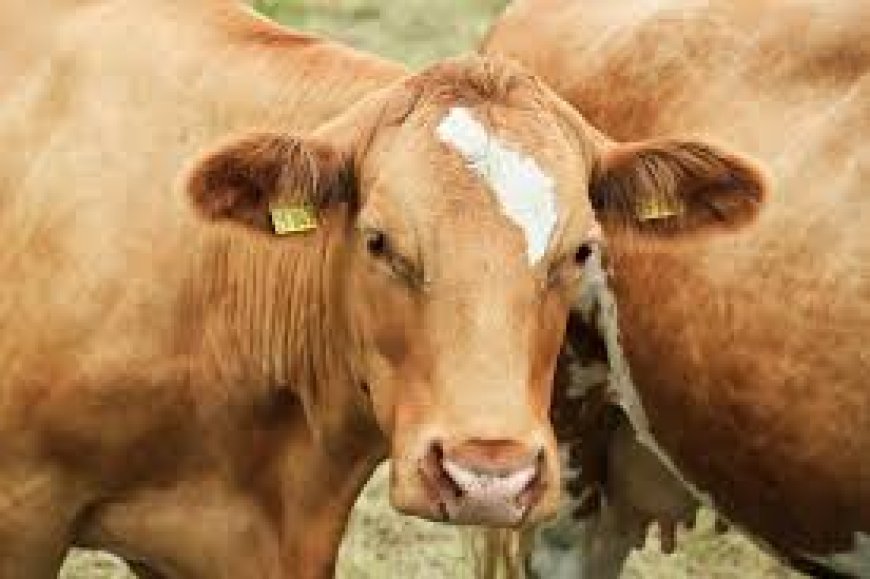
HARARE, ZIMBABWE — The Directorate of Veterinary Services under the Ministry of Lands, Agriculture, Fisheries, Water and Rural Resettlement has officially confirmed a Foot-and-Mouth Disease (FMD) outbreak in the Mangwe District of the Matabeleland South Province. The development has triggered the implementation of strict containment measures and heightened regional concern, as the district borders Botswana.
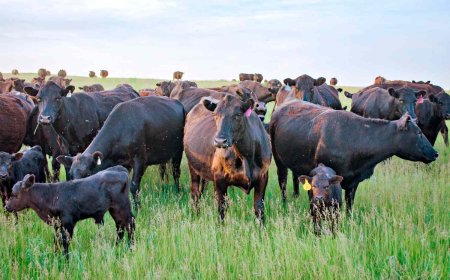
Clinical signs consistent with FMD were observed in various age groups of cattle within the affected area. Out of a census of 2,403 cattle, 54 cases were reported. Laboratory results confirmed the presence of the FMD SAT 1 serotype using solid-phase ELISA. This specific serotype is part of the Southern African Territories (SAT) types, reflecting its geographical association.
Epithelial tissue samples have been dispatched to the OIE FMD reference laboratory in Botswana for further typing and vaccine matching analysis.
Also Read: Zimbabwe Tightens Grip on Foot-and-Mouth Disease Outbreak
· Strict quarantine enforcement.
· Movement control of livestock.
· Vaccinations within a 20 km radius of the outbreak sites.
· Intensified surveillance in and around the affected areas.
· Public awareness campaigns for farmers.
Economic Impact of the Outbreak
FMD typically causes high morbidity but low mortality in adult livestock. However, production losses are substantial.
· Reduced Productivity: FMD can cause a loss of milk yield (up to 80% in dairy cattle), weight loss, and lameness.
· Reproductive Issues: The disease often leads to abortions and sterility, forcing farmers to bear the cost of keeping non-productive animals for extended periods or culling them.
· Loss of Draft Power: In areas dependent on oxen for cultivation, FMD during the cropping season can lead to significant losses in traction power.
· Mortality of Young Stock: While adults usually survive, mortality rates for calves can be higher.
Indirect Losses & Trade Restrictions:
The most serious economic consequences stem from trade bans imposed by countries that are FMD-free. The presence of FMD, or even the threat of it, prevents access to high-value international markets like the European Union (EU) and the United States, which pay premium prices for meat.
· Regional Ripple Effect: Outbreaks in Zimbabwe have a negative impact on neighboring countries like Botswana, which heavily rely on FMD-free status for their own beef exports.
· Domestic Market Disruption: Within the country, movement restrictions disrupt normal supply chains, causing bottlenecks in feedlots and abattoirs. Affected farmers often have to sell their animals at lower prices on the domestic market, further impacting their income and discouraging investment in the livestock sector.
· Control Costs: The significant costs associated with ongoing FMD control—including surveillance, vaccination campaigns, and outbreak management—are often borne by the public sector and external donors, placing a strain on national resources.
The current outbreak in Mangwe District not only represents immediate production losses for local farmers but also threatens the broader national effort to regain and maintain international market access.
For more information, kindly contact the Directorate of Veterinary Services at:
Tel: +263 242791516
Mobile: 0778917908