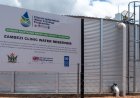
From Consultation to Transformation: Zimbabwe’s Rural Future Under RACP
 Francis
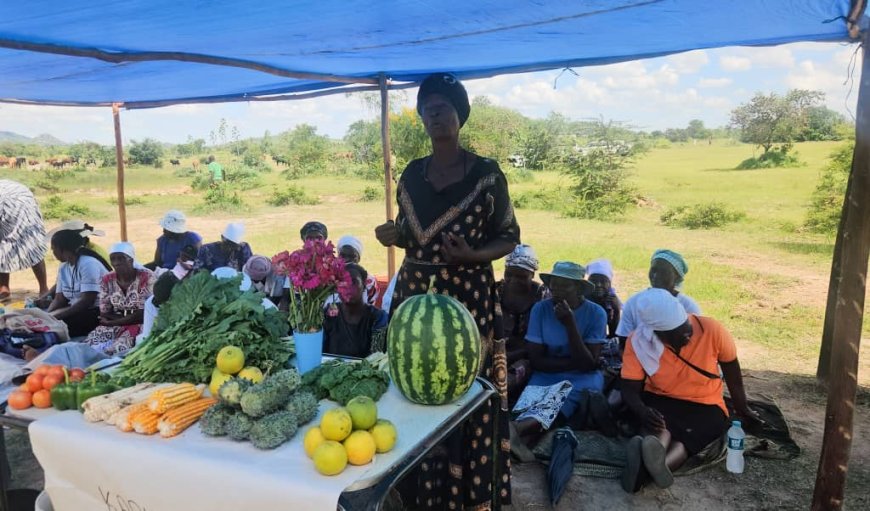
Zimbabwe agriculture development, RACP stakeholder workshop, IFAD AfDB partnership, climate change Zimbabwe, smallholder farmer support, rural transformation
In a country where agriculture is the backbone of livelihoods, the Resilient Agriculture Cluster Project (RACP) is emerging as a beacon of hope. On 30 January 2026, Zimbabwe’s key stakeholders convened in Harare and Bulawayo to validate the strategic design of RACP—a project poised to transform rural communities in the face of climate adversity.
The workshop was attended by senior government officials, development partners, civil society organizations, private sector representatives, and farmer groups. Their shared mission: to ensure that RACP is not only technically sound but also socially responsive.
A Grounded Mandate: Investing in Rural People
“It is a pleasure to join you today,” began the IFAD representative, “for this National Stakeholder Workshop on the Resilient Agriculture Cluster Project.” The speech reflected IFAD’s core mandate: investing in rural people, especially smallholder farmers, to boost productivity and resilience.
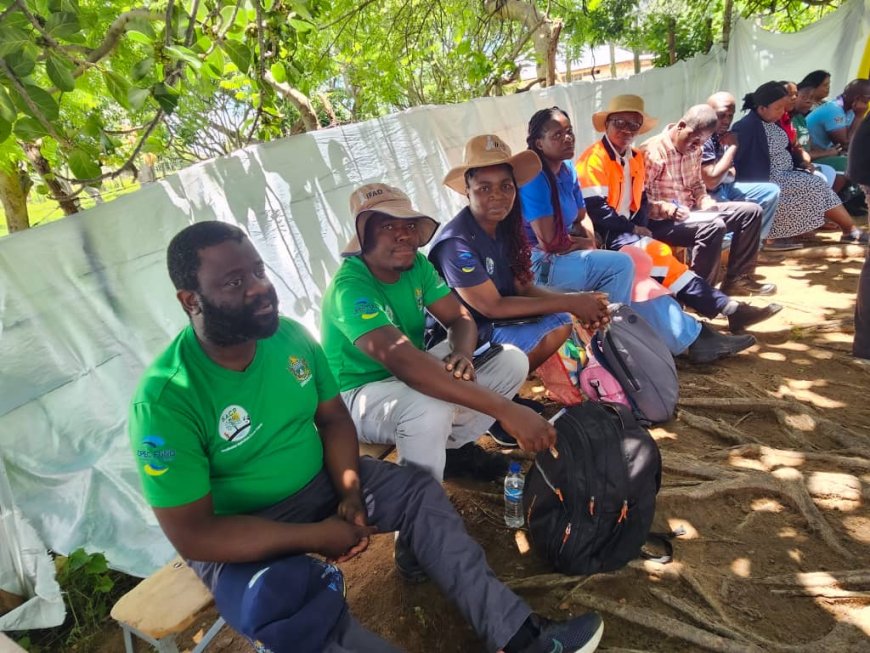
Zimbabwe has been a valued IFAD partner for over four decades. This long-standing cooperation is now entering a new chapter—one defined by climate-smart solutions and inclusive development.
Climate Change: A Daily Reality
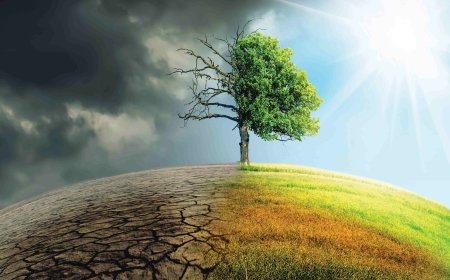
“Climate change is no longer a distant threat,” the speaker warned. “It is a daily reality for millions of smallholder farmers.” The impacts are visible: recurrent droughts, floods, and dry spells that disrupt planting cycles and reduce yields.
RACP is designed to address these challenges head-on. Through improved access to water, climate-smart farming techniques, and financial literacy, the project aims to build resilience from the ground up.
Inclusive Design: Voices That Matter
The validation workshop was not a top-down affair. It was a participatory platform where every voice mattered. Farmer organizations emphasized the need for leadership roles in water management and catchment committees. “We must be part of the solution,” one farmer leader declared.
Civil society groups called for strong alignment with community needs. “Projects must reflect lived realities,” said a CSO representative. “Otherwise, they risk becoming irrelevant.”
Private sector actors highlighted the importance of entrepreneurship and value-chain development. “Let’s create rural economies that thrive,” urged one participant.
Strategic Alignment and Ownership
The workshop’s objectives were clear:
- Validate the design and strategic orientation of RACP
- Ensure alignment with community needs
- Strengthen institutional ownership
- Consolidate partnerships for effective implementation
These goals were not abstract—they were grounded in the outcomes of provincial consultations held the previous week. “The engagement in Bulawayo was inspiring,” said the IFAD Country Manager. “It showed that Zimbabwe is ready to lead its own transformation.”
A Partnership That Delivers
The collaboration between the Government of Zimbabwe, AfDB, and IFAD is a textbook example of effective development partnership. The AfDB Country Manager praised the government’s efforts: “After much preparatory work, we have reached this critical stage of finalizing the project appraisal report.”
IFAD reaffirmed its commitment: “We are here for the long haul. Together, we can turn climate challenges into opportunities.”
Looking Ahead: Implementation Priorities
With validation complete, RACP will move into implementation. Key priorities include:
- Expanding water access for irrigation and household use
- Promoting climate-smart agriculture practices
- Enhancing financial literacy and rural entrepreneurship
- Empowering communities through leadership roles in APGs and catchment committees
The workshop ended with a powerful message: “Let us align our efforts to support rural livelihoods, strengthen food systems, and build a more resilient Zimbabwe.”
Conclusion: A Future Worth Building
As Zimbabwe steps into a new era of climate-resilient agriculture, RACP stands as a testament to what is possible when stakeholders unite. From consultation to transformation, the journey has begun—and it is one worth watching.
Would you like these stories formatted for publication or turned into a press release or blog series? I can help tailor them for different platforms.