Zimbabwe Tightens Grip on Foot-and-Mouth Disease Outbreak
 Francis
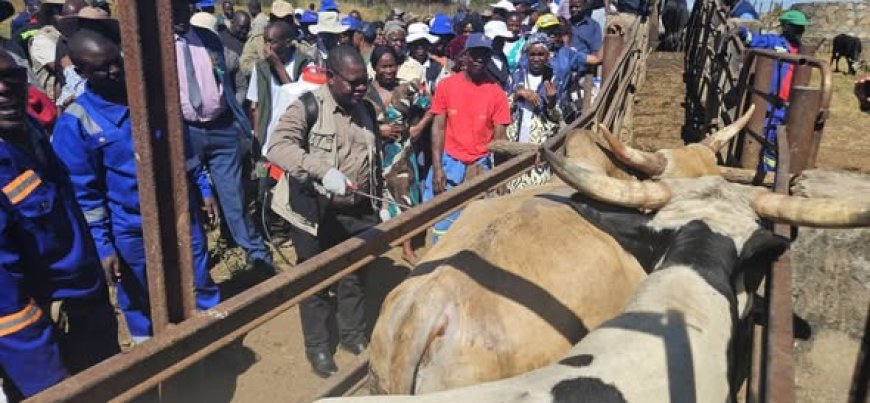
Zimbabwe's agricultural authorities are on high alert following a surge in foot-and-mouth disease (FMD) cases in Mangwe District, Matabeleland South province. The outbreak, linked to a stray buffalo, has prompted the government to intensify surveillance and control measures.
Regional Concerns
The FMD outbreak in Zimbabwe comes as neighboring countries, including South Africa, Botswana, and Zambia, grapple with similar outbreaks. Zimbabwe's veterinary services are working with regional partners to share information and coordinate response efforts.
January Disease Progress
Meanwhile, Zimbabwe has made significant strides in combating January disease, a tick-borne illness affecting cattle. A locally developed vaccine and strict dipping regime have reduced cattle deaths. The country aims to produce 100,000 doses of the BOLVAC vaccine annually.
Impact on Livestock Industry
The FMD outbreak threatens Zimbabwe's livestock industry, a key source of livelihood for thousands of farmers. Authorities warn that without strict control measures, the disease could spread, affecting trade and food security.
Zimbabwe has intensified efforts to curb the spread of foot-and-mouth disease (FMD) following an outbreak in Mangwe District, attributed to a stray buffalo. The government is working closely with veterinary services and farmers to contain the disease, while neighboring countries grapple with similar outbreaks.
In and Epidemiological Update, the FMD outbreak in Mangwe District has prompted authorities to implement strict control measures, including movement restrictions and vaccination campaigns. Prof. Jiri, Director of Veterinary Services, confirmed the outbreak, citing a stray buffalo as the likely source. "We are working to contain the spread and protect the national herd," he said.
The government has put in place containment measures that include the restrictions on animal movements, and authorities have imposed restrictions on cattle movement in and out of affected areas.
The authorities have also heightened vaccination Campaigns: Ring vaccination is underway to protect susceptible animals.
3. Surveillance: Enhanced surveillance is in place to detect and respond to new cases.
4. Awareness Campaigns: Farmers are being educated on FMD symptoms, reporting procedures, and biosecurity measures.
Regional Context
FMD outbreaks have been reported in neighboring countries, including South Africa, Botswana, and Zambia. Zimbabwe's veterinary services are working with regional partners to share information and coordinate response efforts.
Progress on January Disease
Zimbabwe has made significant progress combating January disease, a tick-borne illness affecting cattle. A locally developed vaccine and strict dipping regime have reduced cattle deaths. Authorities credit the success to:
1. Local Vaccine Production: Zimbabwe produces its own January disease vaccine.
2. Dipping Regime: Regular dipping has reduced tick populations and disease transmission.
3. Farmer Compliance: Farmers adhere to dipping schedules and report suspected cases.
Challenges Ahead
Despite progress, FMD control poses challenges:
1. Wildlife Interface: Interaction between domestic livestock and wildlife increases disease transmission risk.
2. Resource Constraints: Limited resources hinder disease control efforts.
3. Climate Change: Changing climate patterns may alter disease dynamics.
Government recommends that farmers adhere to Dipping Schedules and that farmers must prioritize regular dipping to protect their animals. The farmers are also expected to report all suspected cases to enables swift response and containment. The Governments also encourages farmers to adhere to Biosecurity Measures to reduce disease transmission risk.