Zimbabwe Launches US$9.4 Million Tech-Driven Resilient Agriculture Cluster Project (RACP) to Combat Climate Shocks
 Francis
Harare, Zimbabwe — The Government of Zimbabwe, in partnership with the African Development Bank (AfDB) and the International Fund for Agricultural Development (IFAD), has officially launched the Resilient Agriculture Cluster Project (RACP). This US$9.4 million initiative aims to climate-proof the nation’s agricultural sector through advanced irrigation technology, data-driven farming, and rural value-chain expansion.
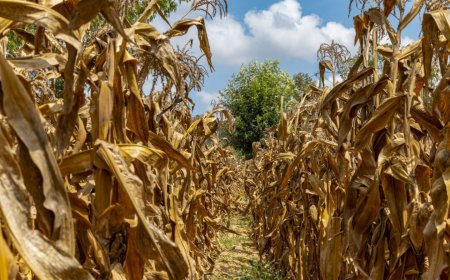
The project arrives as a critical intervention following the devastating 2023/24 El Niño-induced drought, which caused an estimated US$363 million in direct damages and necessitated over US$2 billion in emergency response measures.
Project Overview and Strategic Funding
The RACP is funded through the AfDB’s Climate Action Window, a specialized fund designed to support adaptation in Africa’s most vulnerable regions. It complements the existing US$67 million Smallholder Agriculture Cluster Project (SACP), which has been operational since 2021.
While the SACP focuses on commercializing smallholder farming, the RACP specifically targets climate adaptation infrastructure. The project’s technical design was validated during a three-day workshop in Bulawayo from January 26 to 28, 2026, where stakeholders finalized the project’s "Theory of Change" and cost structures.
Key Technical Components of RACP
The RACP is structured around four primary pillars designed to modernize Zimbabwe's rural food systems:
1. Advanced Irrigation Rehabilitation
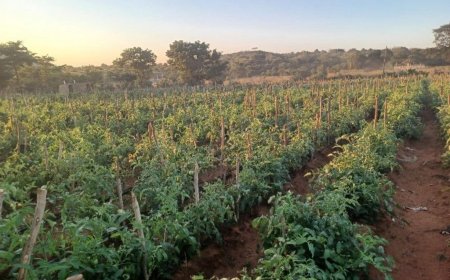
The project will rehabilitate and modernize existing irrigation schemes, such as the 20-hectare Nhakayedu scheme in Kwekwe. These upgrades include:
Solar-Powered Pumping: Reducing reliance on the national grid and lowering operational costs for smallholders.
Drip Irrigation Systems: Improving water-use efficiency to ensure crops survive prolonged dry spells.
2. Climate-Smart Agriculture (CSA) and Information Systems
To mitigate unpredictable rainfall, the RACP will integrate digital weather observation networks. This technology provides farmers with real-time hydrological and climate data, allowing for precise seasonal planning. Implementation also focuses on:
Drought-Tolerant Varieties: Disseminating high-yielding, resilient seed varieties.
Sustainable Land Management: Promoting conservation techniques like tied ridges and deep ploughing to enhance soil moisture retention.
3. Value Chain Expansion and Village Business Units (VBUs)
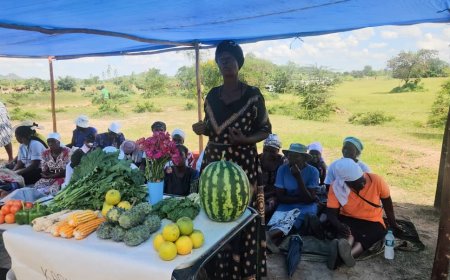
A core objective is the expansion of Village Business Units across 100 additional wards. These units act as local hubs for:
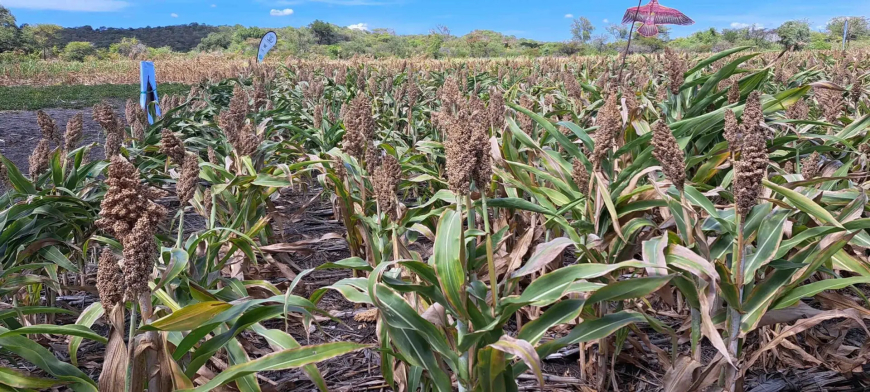
Processing and Storage: Reducing post-harvest losses, particularly for resilient grains like sorghum.
Market Linkages: Connecting Agriculture Producer Groups (APGs) directly to private sector off-takers to ensure consistent rural income.
4. Financial Resilience and Insurance
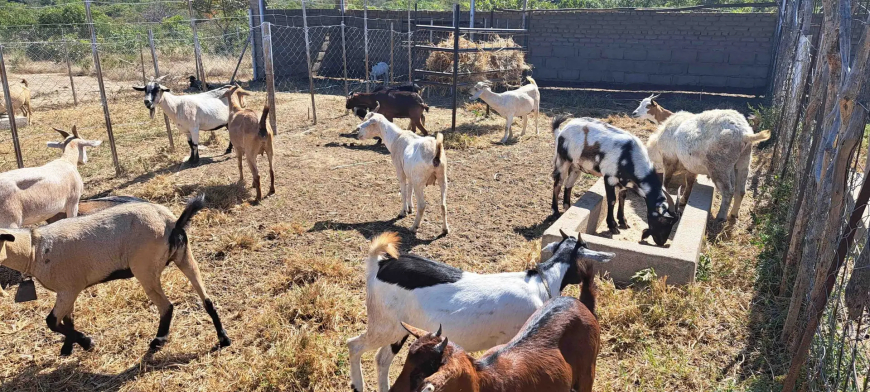
In a first for many local clusters, the RACP will scale up crop and livestock insurance. By providing a financial safety net, the project encourages farmers to invest in higher-value crops without the total risk of climate-induced failure.
Target Demographics and Economic Impact
The RACP aligns with Zimbabwe’s Rural Development 8.0 strategy, which seeks to move the sector from "food security" to "food sovereignty".
Beneficiaries: The project targets thousands of households, with a strict mandate that 50% of beneficiaries are women and 30% are youth.
Income Goals: Projections suggest that participating households could see average monthly incomes rise from approximately US$85 to US$120.
Job Creation: The initiative is expected to create 200 full-time and 2,800 seasonal jobs within the livestock and crop value chains.
Future Outlook and Implementation Timeline
The Technical Design Workshop in Bulawayo marks the final stage before the project’s formal appraisal. The RACP is scheduled for a final board presentation in March 2026, with full-scale implementation expected to align with the SACP’s remaining cycle through 2027 and beyond.
Officials from the Ministry of Lands, Agriculture, Fisheries, Water and Rural Development emphasized that the RACP represents a strategic shift toward a "developmental state" approach—where the government directly uplifts vulnerable communities while leveraging private sector investment for long-term productivity.