The Silent Emergency: Climate Change as a Crisis of Public Health
 Francis
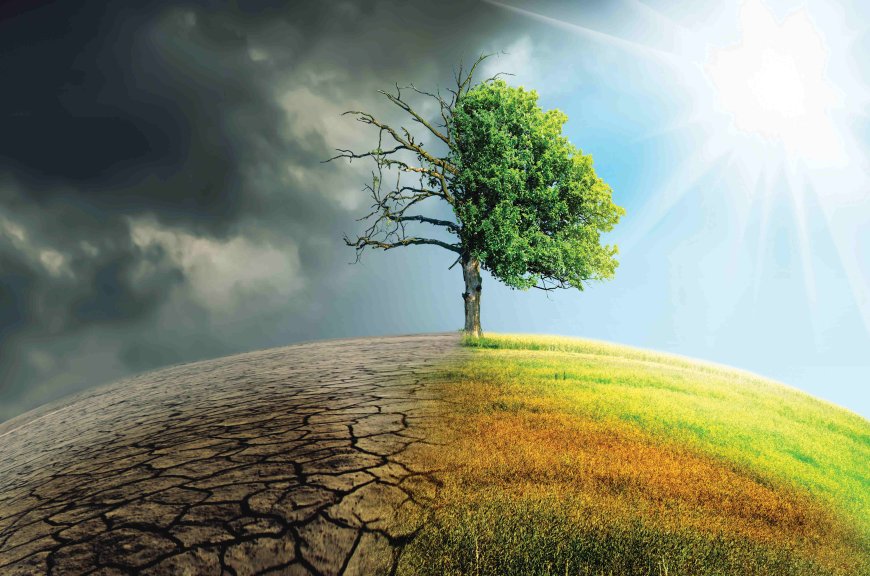
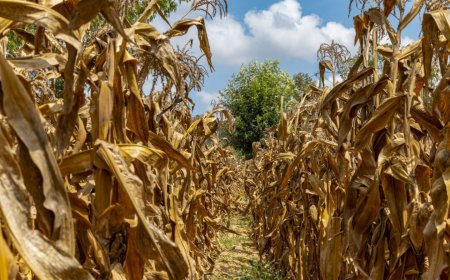
In the corridors of Zimbabwe’s hospitals, the fingerprints of climate change are becoming impossible to ignore. A 2024 UNICEF report indicates that children in Zimbabwe are at high risk due to the climate-health nexus. Rising temperatures are not just drying crops; they are expanding the habitat of disease vectors and compromising water safety.
The Rise of Climate-Sensitive Diseases
Zimbabwe has recently faced one of its worst cholera outbreaks, affecting over 50 districts. This is directly linked to "climate variability"—where heavy, erratic storms overwhelm aging sewage systems, or prolonged droughts force residents to use shallow, unprotected wells. Simultaneously, malaria is creeping into highland areas that were historically too cold for the Anopheles mosquito, threatening populations with no prior immunity.
Social Impact and Gender Dynamics
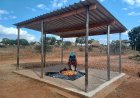
The Reporting Manual highlights how climate change exacerbates existing inequalities. In rural Matabeleland, the drying of community boreholes forces women and girls to walk up to 10 kilometers daily to fetch water. This "water poverty" has cascading effects: girls miss school, and the risk of gender-based violence increases in transit. Furthermore, heat stress is emerging as a major occupational hazard for outdoor workers and a significant risk factor for maternal health, with studies linking high ambient temperatures to increased rates of pre-eclampsia.
Toward a Resilient Health System
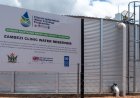
In response, the Ministry of Health and Child Care has joined the Alliance for Transformative Action on Climate and Health (ATACH). The goal is to build clinics that are "climate-proof"—equipped with solar power for cold-chain vaccine storage and resilient water systems. By the end of 2025, the government plans to integrate climate-health surveillance into its national monitoring systems, allowing for "early warnings" that can predict disease outbreaks before they peak.