Beyond the Auction: Why Zimbabwe’s 2026 Tobacco Season Demands the Same Accountability as Carbon Markets
 Francis
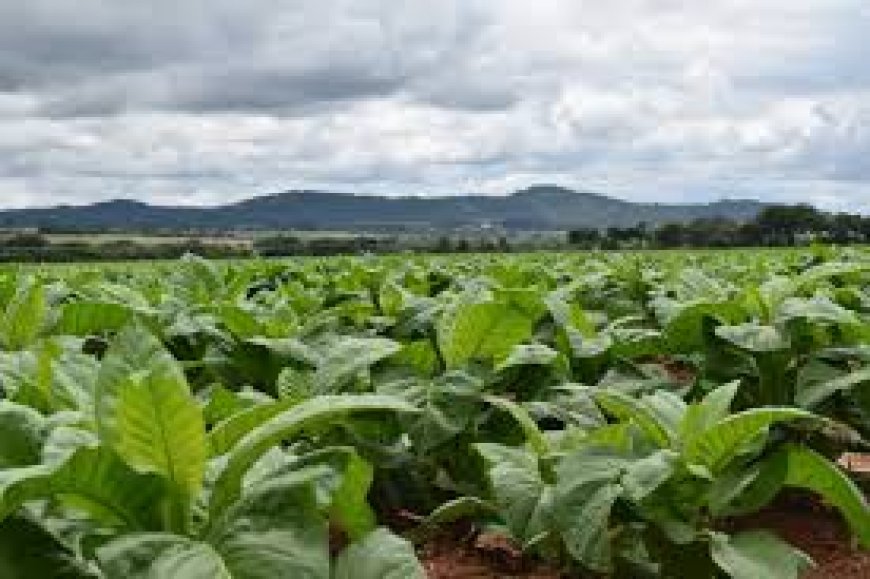
On the eve of Zimbabwe’s 2026 tobacco sales season, Deputy Minister of Lands, Agriculture, Fisheries, Water, and Rural Development, Hon. V.P. Haritatos, conducted a high-level inspection of the nation’s premier auction floors. Visiting the Tobacco Sales Floor (TSF), Ethical Sales Floor, and Premier Tobacco Auction Floors, the Deputy Minister declared the industry ready for the March 4 opening. However, while the tobacco sector anticipates a landmark harvest, the tour took place against a backdrop of increasing scrutiny regarding Zimbabwe’s broader "green economy," specifically the controversial management of carbon credit revenues from the Kariba REDD+ Project.
The Kariba REDD+ Project, once hailed as a global model for conservation, now serves as a cautionary tale for climate governance in Zimbabwe. Spanning 785,000 hectares across the Hurungwe, Nyaminyami, and Binga districts, the project was designed to protect Mopane and Miombo forests by selling carbon offsets to international firms. While developers South Pole and Carbon Green Africa initially reported the generation of over 30 million credits, the project has been marred by allegations of "carbon credit theft" and opaque financial reporting, leading to a suspension of credit issuance and a major review of the national carbon framework.
The controversy highlights a critical lack of Revenue Transparency within the sector. Despite the millions of dollars generated from the international sale of credits, local communities on the southern shores of Lake Kariba report a significant disconnect between the project's paper value and their lived reality. For policymakers, the Kariba case exposes the dangers of market-based climate finance that lacks a robust domestic legal anchor. This has accelerated the push for the Climate Change Management Bill, which aims to mandate transparent contracts and ensure that a larger share of "green gold" remains within the national treasury and host communities.
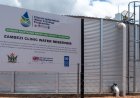
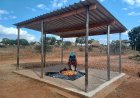
A primary concern remains the equitable distribution of wealth, with investigations focusing on the emergence of "new elites" within local project staff. Media practitioners and civil society groups are now calling for independent audits to track financial flows from international buyers to local implementation. A powerful investigative method currently being deployed involves auditing the true cost of community assets, such as boreholes or clinics, against the staggering figures reported in financial disclosures. This level of scrutiny is essential to determine if climate funds are being siphoned off through inflated administrative costs or direct misappropriation.
The ecological stakes are equally high, as climate change continues to act as a threat multiplier in the Zambezi Valley. When environmental disasters combine with broken governance systems, the economic cost is borne by the most vulnerable. The Kariba project was intended to mitigate these impacts, but critics argue that without legally sound community consent processes, the project risks becoming a form of "green grabbing." This occurs when conservation efforts impose harmful restrictions on traditional livelihoods—such as wood harvesting or cattle grazing—without providing fair, life-changing compensation or alternative economic pathways.
In response to these challenges, the Government of Zimbabwe has moved to centralise carbon trade oversight. The Forestry Commission and other regulatory bodies are being empowered to exercise greater independence in monitoring international developers. The goal is to prevent the "Wild West" scenario that characterized early carbon deals, ensuring that any future projects meet stringent international standards while prioritizing national interests. This shift is seen as vital to restoring investor confidence and ensuring that Zimbabwe’s natural capital is not exploited at a discount.
For the media, the Kariba REDD+ Project provides a blueprint for investigating climate governance. Journalists are moving past official press releases to gather direct testimony from villagers in the Hurungwe and Binga districts. By questioning area parliamentarians and assessing the capacity of regulators, reporters are exposing the gaps between the high-level rhetoric of the Paris Agreement and the on-the-ground realities of rural Zimbabweans. This investigative pressure is forcing a more transparent dialogue regarding who truly wins and loses in the global carbon trade.
The synergy between traditional agriculture and the new carbon economy is becoming increasingly intertwined. As Deputy Minister Haritatos champions innovation ahead of the tobacco season, the government is aware that the same principles of transparency and efficiency must apply to both sectors. Tobacco, as a major foreign currency earner, and carbon credits, as a potential multi-billion-dollar industry, both require secure, verifiable systems to ensure that the wealth generated benefits the farmers and communities at the heart of production.
As Zimbabwe enters the 2026 fiscal year, the lessons from Kariba are being integrated into the national strategy. The transition toward a regulated, transparent carbon market is no longer just an environmental necessity but an economic imperative. By addressing the factors of revenue transparency and community accountability, Zimbabwe aims to transform its conservation efforts from a source of controversy into a sustainable engine for rural development, ensuring that the "landmark harvest" anticipated in the tobacco fields is matched by a landmark shift in climate justice.