The Climate Resilient Livelihoods Project helping fostering safe communities for women and children
 Francis
0
9
A strategic partnership between the Government of Zimbabwe, the United Nations Development Programme (UNDP), and the Green Climate Fund is successfully dismantling cycles of climate-induced poverty and domestic conflict through a targeted resilience project.
The Climate Resilient Livelihoods (CRL) initiative has transitioned community support from emergency aid to sustainable, climate-smart entrepreneurship. Local officials report that the resulting economic stability is acting as a primary deterrent against gender-based violence (GBV) by reducing household stress and fostering self-reliance among women and children.
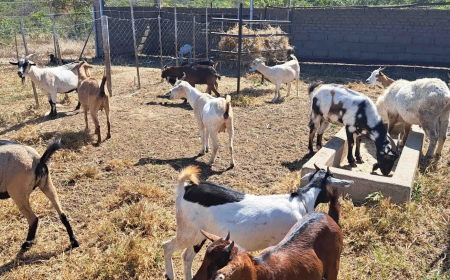
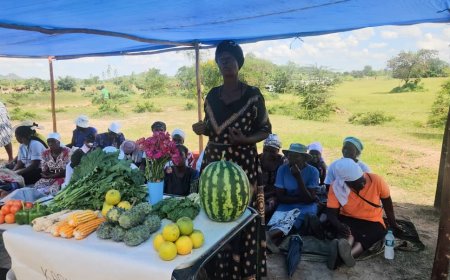
The project’s success is anchored in the robust implementation of Village Savings and Lending (VSAL) groups, which have provided rural women with unprecedented access to capital. These "internal banks" allow members to take out small loans to kickstart micro-enterprises, effectively breaking the cycle of financial dependence that often traps women in abusive household dynamics. As families secure new income streams, the chronic stress of poverty—a primary trigger for domestic conflict—is visibly receding, replaced by a shared focus on household growth.
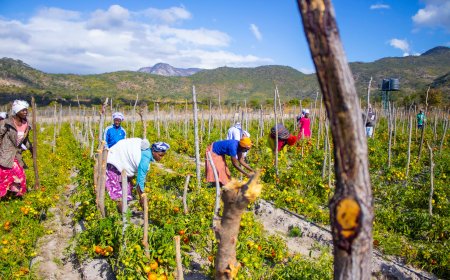
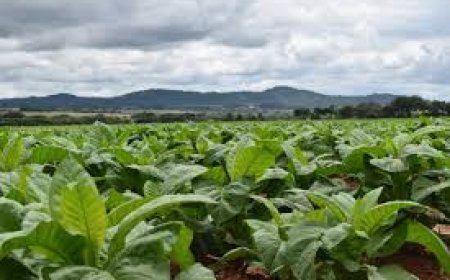
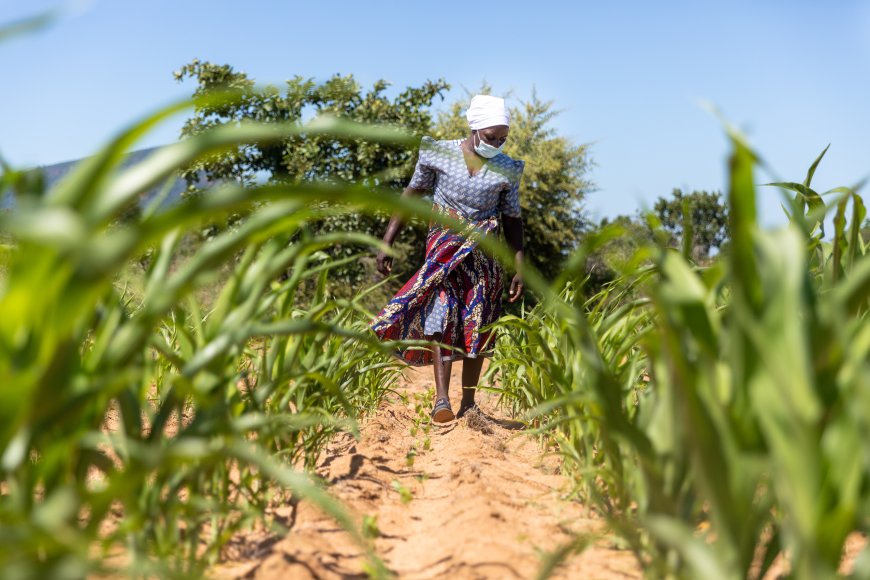
Agriculture, the backbone of the Chipinge economy, has undergone a radical transformation under the CRL framework to combat increasingly erratic weather patterns. Farmers are moving away from traditional, rain-dependent crops in favour of climate-resilient varieties and innovative irrigation techniques. This shift ensures that even during prolonged dry spells, granaries remain full, providing a level of food security that acts as a buffer against the desperation and hunger that traditionally exacerbate social instability.
Diversification has also taken flight through beekeeping, an environmentally friendly venture that has created a lucrative secondary economy in Foroma. By providing modern hives and technical training, the CRL Project has enabled families to tap into the high demand for organic honey. This "liquid gold" provides a steady cash flow outside of traditional harvest seasons, ensuring that families can cover school fees and medical expenses without the threat of financial ruin.
The social impact of these economic gains is profound, with community leaders reporting a significant decline in cases of gender-based violence. "When there is honey in the hives and grain in the shed, there is peace in the home," noted one local headman. By involving men and women equally in these livelihood projects, the initiative fosters social cohesion and shared decision-making, reconfiguring traditional gender roles into collaborative partnerships.
This multi-sectoral approach—combining climate resilience with social protection—is creating a blueprint for safer, more resilient rural communities across Zimbabwe. The integration of beekeeping and smart farming doesn't just protect the environment; it protects the people within it by removing the economic catalysts of violence. As household stability improves, children are benefiting from more consistent schooling and a safer domestic environment, ensuring the project’s impact is felt across generations.
The CRL Project also serves as a critical localized application of the National Development Strategy (NDS1), emphasizing that infrastructure and economic growth must be inclusive. In Foroma, this inclusivity means ensuring that the most vulnerable members of society are not just survivors of climate change, but active participants in the new green economy. The success of the beekeeping and savings groups demonstrates that when women are economically empowered, the entire community’s resilience is fortified.
Through the Climate Resilient Livelihoods Project, the community is not merely weathering the storm of climate change; they are building a more equitable and peaceful society from the ground up.