Zimbabwe’s Climate Action Window: A New Dawn for Resilient Agriculture
 Francis
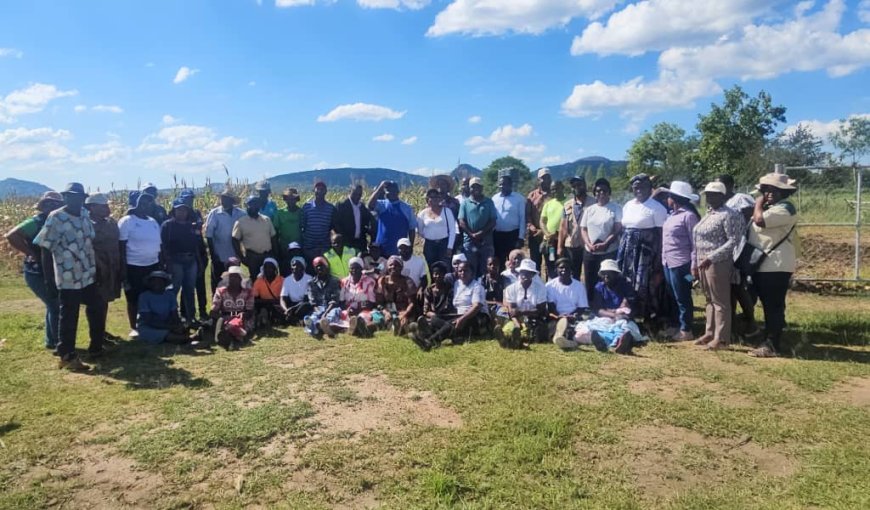
In the heart of Zimbabwe’s agricultural transformation, a powerful alliance is taking shape—one that promises to redefine the future of rural livelihoods. On 30 January 2026, stakeholders from across the country gathered in Harare and Bulawayo for the National Stakeholder Validation Workshop of the Resilient Agriculture Cluster Project (RACP), a flagship initiative supported by the African Development Bank (AfDB) and the International Fund for Agricultural Development (IFAD).
The workshop was more than a formality—it was a moment of collective affirmation. “When we talk about validate,” one speaker noted, “we are asking ourselves if the project is strong, sound, or worthy of the people it is meant to serve.” That sentiment echoed through the halls as government officials, civil society organizations, media houses, and farmer representatives lent their voices to the final shaping of RACP.
A Strategic Investment in Climate Resilience
The Zimbabwean Government, through the Ministry of Lands, Agriculture, Fisheries, Water and Rural Development (MLAFWRD), secured a grant of USD 9.4 million and a technical assistance facility of UAC 0.2 million from the Climate Action Window. This financial injection is not just a number—it’s a lifeline for communities grappling with the harsh realities of climate change.
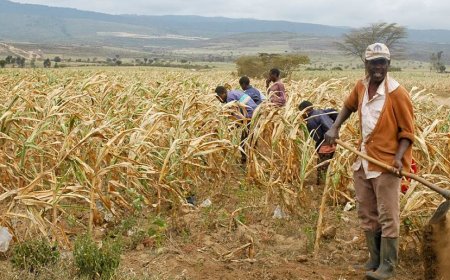
“Climate change is no longer a distant threat for Zimbabwe,” emphasized the IFAD representative. “It is a daily reality for millions of smallholder farmers.” Rising temperatures, erratic rainfall, and mid-season dry spells have eroded productivity and threatened food and nutrition security. RACP is designed to reverse that trend.
Voices from the Ground: A Shared Commitment
The workshop brought together a mosaic of voices. Mr. Bwenje, representing the Permanent Secretary of MLAFWRD, underscored the importance of institutional ownership. “This is not just a donor-driven initiative,” he said. “It is a national priority.”
Farmer organizations, often sidelined in policy dialogues, were front and center. Their message was clear: “We need access to water, climate-smart agriculture, financial literacy, and leadership roles in water management.” These priorities are now embedded in RACP’s strategic orientation.
Corporate companies and private sector representatives also weighed in, highlighting the need for entrepreneurship and value-chain opportunities. “We must move beyond subsistence,” one participant urged. “Let’s build agribusiness ecosystems that empower rural youth and women.”
Building on Provincial Consultations
The workshop built on successful provincial consultations held the previous week. “The strong engagement in Bulawayo demonstrated both the urgency of this initiative and the collective commitment to shaping a climate-resilient future,” said the IFAD Country Manager.
These consultations were not mere box-ticking exercises. They were dynamic forums where stakeholders debated, refined, and co-created solutions. The validation workshop served as the final stitch in a carefully woven tapestry of ideas.
Institutional Synergy: AfDB, IFAD, and Government
The synergy between AfDB, IFAD, and the Government of Zimbabwe is a model for development cooperation. “Allow me to congratulate the Zimbabwean Government,” said the AfDB Country Manager, “for securing grant resources and reaching this critical stage of finalizing the project appraisal report.”
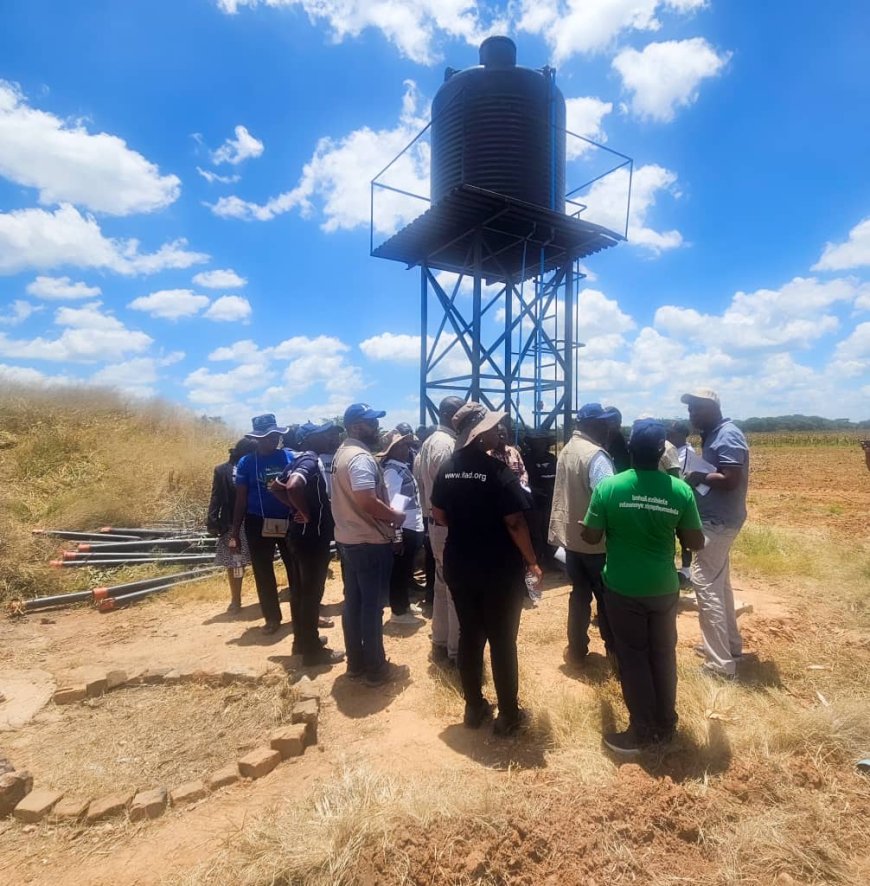
IFAD reaffirmed its commitment: “By aligning our efforts, we can transform climate challenges into opportunities—supporting rural livelihoods, strengthening food systems, and building a more resilient and prosperous Zimbabwe.”
Today and into the future:
With validation complete, the path is clear. Implementation will focus on:
- Expanding access to water resources
- Promoting climate-smart agriculture
- Enhancing financial literacy and entrepreneurship
- Strengthening leadership in catchment committees and Agricultural Production Groups (APGs)
The workshop concluded with a call to action: “Your contributions today will help ensure that RACP delivers inclusive, climate-resilient and impactful outcomes for rural communities across Zimbabwe.”
As the sun sets on the validation phase, a new dawn rises for Zimbabwe’s smallholder farmers. RACP is not just a project—it’s a promise.