NSSA: Workers’ Compensation Scheme Targets Prevention, Compensation and Rehabilitation
NSSA: Workers’ Compensation Scheme Targets Prevention, Compensation and Rehabilitation
 Francis
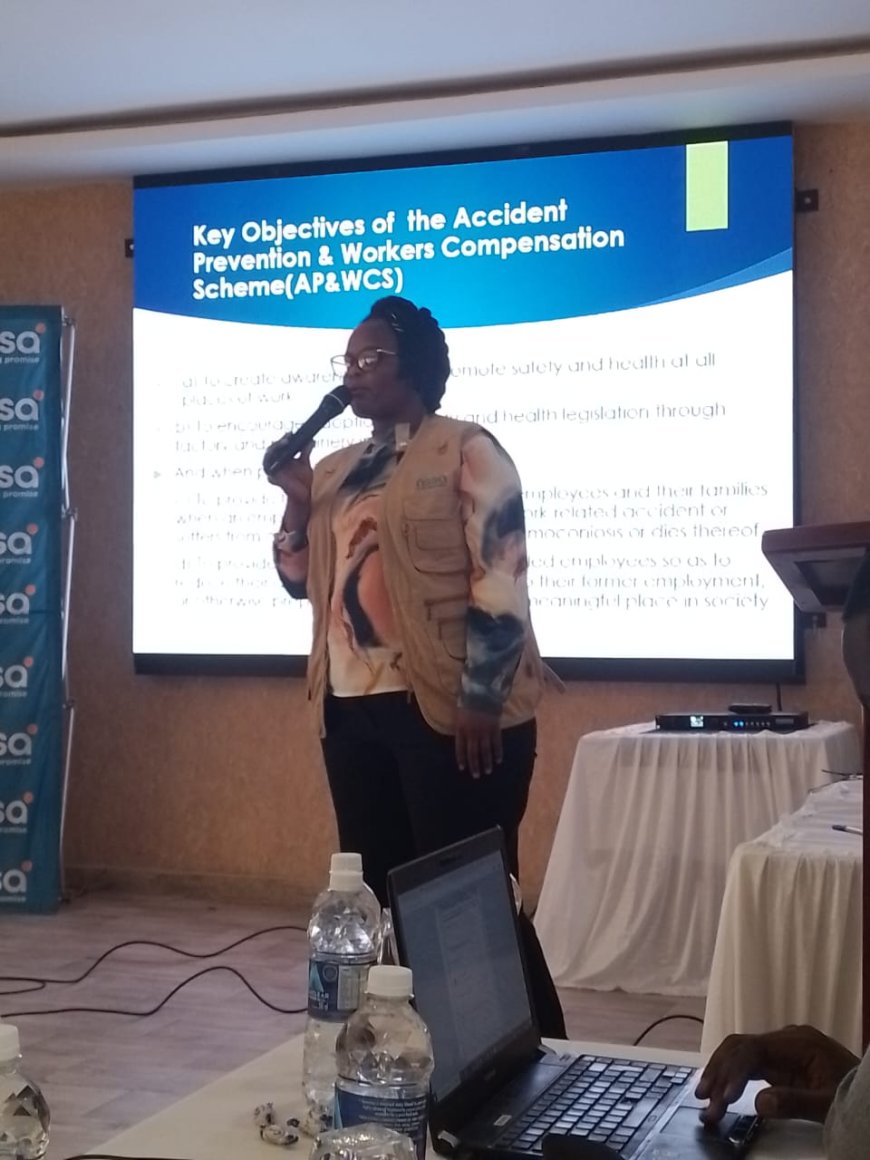
GWERU — The Accident Prevention and Workers’ Compensation Scheme is 100% employer funded and excludes informal and government workers, the National Social Security Authority said Tuesday.
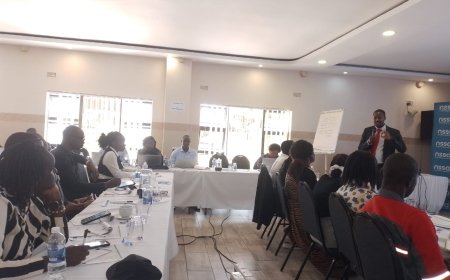
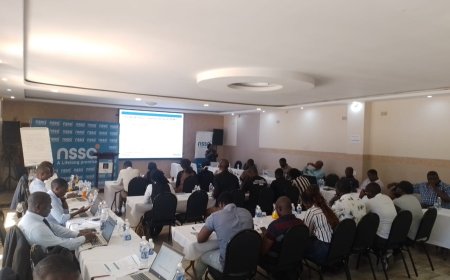
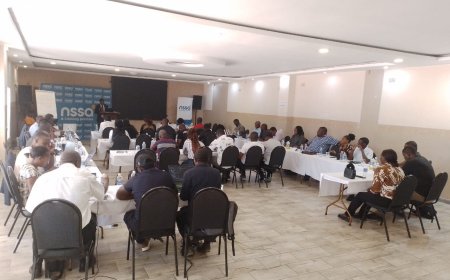
Ms. Patience Mudhimo, NSSA Senior Benefits Officer, told a stakeholder workshop in Gweru that APWCS was established in terms of the NSSA Act Chapter 17:04 and Statutory Instrument 68 of 1990. “This is an insurance scheme where the employer insures his/her workers against work-related injuries and diseases,”
Mudhimo said, presenting Accident Preventions and Workers Compensation Scheme, she said the main objective is to remove from the employer the burden of looking after an injured worker in terms of medical expenses.
The scheme also covers “compensation and lost wages during periods of permanent disablement and or temporary disablement,” Mudhimo said. On financing, she stressed that APWCS is “100% employer funded — employees do not contribute”.
“Contribution premiums differ according to risk factor and accident record of the industry,” Mudhimo said. Insurable earnings are based on employees’ basic salary, “and there is no ceiling”. Coverage is limited to “employees in the formal sector,” she said.
The scheme “excludes Government employees, individual liable domestic and informal sector employees”. Mudhimo then outlined four key objectives of AP&WCS, according to a second slide. “The first is to create awareness and promote safety and health at all places of work,” she said. The second is “to encourage compliance with safety and health legislation through factory and works inspections,” Mudhimo said.
“And when prevention fails,” she said, the scheme provides compensation to employees and their families when an employee is injured in a work related accident or suffers from pneumoconiosis or dies thereof.
The fourth objective is “to provide rehabilitation to injured employees so as to restore them to their former employment, or find them proper alternative employment, and restore them to a meaningful place in society,” Mudhimo said.