NSSA: Over 90% Of Workplace Accidents Are Preventable, Myths Hide Management Failures
OHS Myths
 Francis
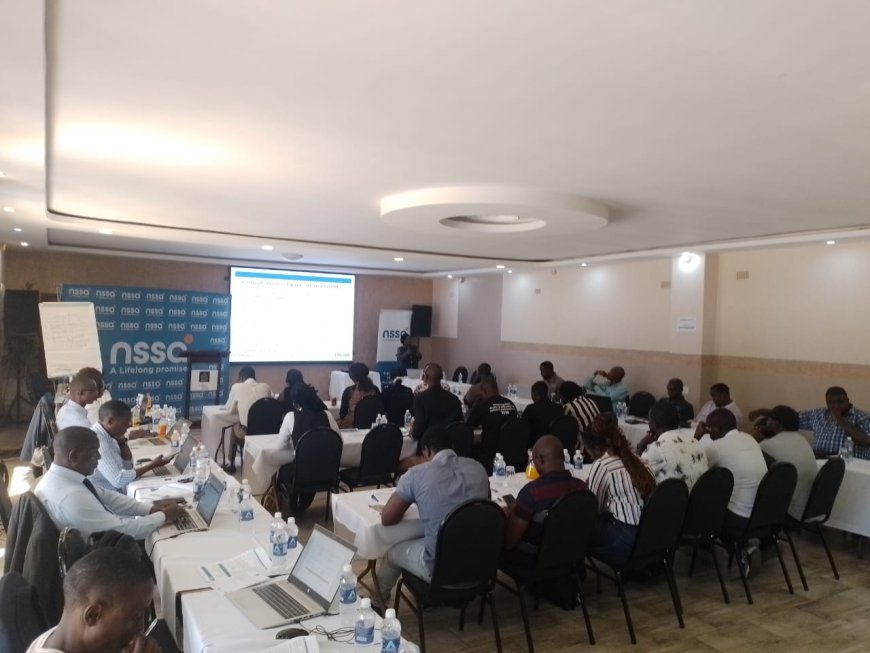
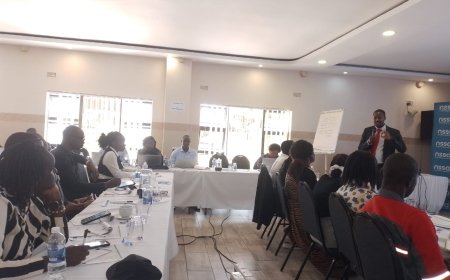
Misrepresentation of safety information is a growing public health hazard because false narratives about workplace accidents cost lives, the National Social Security Authority’s Midlands office told 100 journalists Monday in Gweru.
Misrepresentation has been observed to be a leading Public Health Hazard, the slide stated. Mr. Garwe said myths spread faster than corrections. “When a mine accident happens, social media says ‘it was his time’ or ‘accidents are normal’. That myth tells the next worker not to wear PPE,” he said.
Over 90% of workplace accidents are preventable and stem from management and system failures, not worker carelessness or “bad luck”, the National Social Security Authority’s Midlands office told Gweru based journalists today in Gweru.
Mr. Joseph Garwe, NSSA – Midlands, expanded his “SAFETY FACTS VS. MYTHS” presentation at the Journalists Basic Occupational Safety and Health Course, or BOSHC, at The Village Lodge. He said fatalism in reporting is a public health hazard that keeps hazards uncorrected.“All workplace accidents are preventable,” the left side of his detail slide stated. Garwe said this is Vision Zero’s core principle. He said NSSA fatality files show missing machine guards, absent risk assessments, and untrained workers in nearly every case — all preventable.
The right side reinforced the data: “Over 90% of workplace accidents are preventable.” Garwe said NSSA’s analysis of 2024-2025 incidents found 9 in 10 involved breaches of OSHMS Planning Clause 6: no ongoing HIRA, no targets tied to hazards, or no legal compliance checks.He attacked specific myths. Myth: “It was his time.” Fact: Timing is irrelevant if a conveyor had no emergency stop. Myth: “He was experienced.” Fact: Experience without refresher training and supervision does not control new hazards. Myth: “Accidents are the cost of doing business.” Fact: Prevention is cheaper than compensation.
“WHY THIS MATTERS,” the bottom of the slide read. Garwe said myths delay corrective action. Each death costs the Workers Compensation Insurance Fund about USD 18,000 in long-term benefits. Each serious injury averages 30 lost workdays. Nationally, Zimbabwe lost 8,371 work years to injury in 2024-2025.He said misrepresentation after incidents protects defective systems.
A company press release that says “employee failed to follow procedure” without disclosing that no written procedure existed is a myth. Garwe said journalists who print it become part of the hazard.
Zimbabwe recorded 57 worker deaths and 8,371 injuries in 2024-2025, down from 75 deaths and 8,770 injuries in 2022-2023. The Injury Frequency Rate improved from 2.3 to 2.1. Garwe said the drop came from firms that rejected myths and implemented OSHMS, not from luck.
Globally, the ILO reports 2.7 million workers die yearly from occupational accidents and diseases. Garwe said most nations with fatality rates under 1 per 100,000 workers have media that reports system failures, not fate. “Your headline can force a board to budget for guards,” he said.
He warned against false balance. “You don’t balance a fact from NSSA with a myth from a supervisor who was not there. You verify. If the company can’t show a risk assessment, print that,” Garwe said. He cited Golden Rule #1 of Vision Zero: leadership must demonstrate commitment to facts.