NSSA Moves to Bridge Media Gap as Midlands Mining Accidents Rise
NSSA Moves to Bridge Media Gap as Midlands Mining Accidents Rise
 Francis
0
3
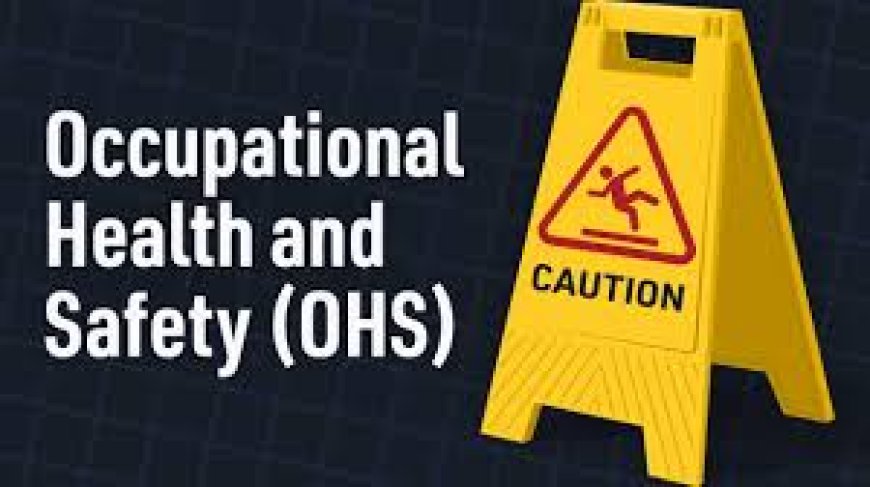
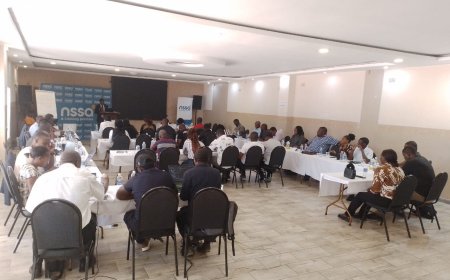
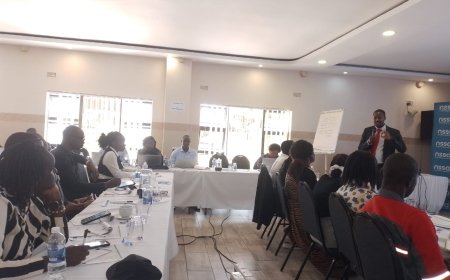
GWERU — The National Social Security Authority (NSSA) has moved to bridge the critical knowledge gap in the media fraternity regarding workplace safety, following a surge in mining-related accidents across the Midlands province. At a specialized workshop starting today in Gweru this week, the Authority is engaging the journalists to play a pivotal role in shifting national discourse from reactive reporting of fatalities to a proactive "culture of prevention" in high-risk zones like Shurugwi, Zvishavane, and Mberengwa.
The training comes as small-scale mining operations in these areas continue to be flashpoints for occupational hazards, including shaft collapses and respiratory diseases. Media practitioners from across the province noted that while they frequently cover these tragedies, there remains a significant lack of technical understanding regarding Occupational Safety and Health (OSH) standards. NSSA’s latest intervention aims to equip them with the tools to investigate the systemic failures behind these recurring incidents.
Central to the Gweru workshop is the Journalists Basic Occupational Safety and Health Course (BOSHC), which was first launched nationally in February 2026. This curriculum is designed to help reporters navigate complex legal frameworks, such as the Pneumoconiosis Act, which governs lung diseases prevalent in the dusty environments of Midlands’ gold and chrome mines. By understanding these laws, journalists can better advocate for the health rights of workers often overlooked in the informal sector.
NSSA officials highlighted that OSH is a cross-cutting issue affecting diverse workplaces, from heavy industry to agriculture. However, the unique challenges of the Midlands—characterized by a mix of large-scale corporate mines and thousands of artisanal miners—require a localized media approach. The Authority is pushing for the adoption of the "Vision Zero" philosophy, which posits that all workplace accidents are preventable if correct safety management systems are in place.
During the sessions, facilitators underscored the importance of Occupational Health surveillance, including the role of the NSSA Occupational Health Mobile Clinic. For many miners in remote parts of Zvishavane and Mberengwa, this "one-stop shop" is the only access point for mandatory medical assessments. Journalists were encouraged to highlight these services to ensure that both employers and employees are aware of their rights and obligations under the law.
The workshop also addressed the plight of the "empty chair"—a metaphor used by NSSA to represent the stakeholders, including pensioners and injured workers, whose lives are altered by safety failures. NSSA Board Chairman Christopher Dube has previously described such Strategic Planning sessions in Gweru as milestones in the Authority's transformation, emphasizing that workplace safety is directly linked to the long-term sustainability of the pension fund.
Employers attending the sidelines of the event were reminded that safety is not merely a compliance requirement but a cornerstone of productivity. NSSA provides various resources, including Application Forms and Service Fee schedules, to assist businesses in setting up effective OSH committees. The Authority warned that ignoring these minimum standards leads to lost working capacity and places an avoidable strain on the Workers’ Compensation Rehabilitation Centre.
For the media fraternity, the training marks a shift toward more impactful, evidence-based reporting. Journalists acknowledged that the training would help them move beyond the surface of "hard news" into investigative pieces that examine whether mines are conducting the required periodical medical assessments. This depth is seen as essential for holding mining syndicates in Shurugwi and beyond accountable for the safety of their labor force.
The initiative aligns with Zimbabwe’s broader National OSH Policy 2025-2030, which aims to reduce work-related diseases and accidents that currently cost the global economy nearly 4% of its GDP annually. By empowering the media, NSSA hopes to create a "multiplier effect" where safety information reaches even the most remote artisanal sites, potentially saving hundreds of lives each year.
As the Gweru workshop concluded, NSSA reaffirmed its commitment to providing OSHEMAC (Occupational Safety, Health, and Environmental Management Course) and other specialized training to all sectors. The Authority believes that an informed media is the first line of defense in protecting the national workforce, ensuring that every employee returns home safely and eventually enjoys a dignified retirement as a healthy pensioner.