NSSA: Journalists Must Investigate, Follow Up, Hold Bosses And Regulators To Account On Workplace Safety
NSSA: Journalists Must Investigate, Follow Up, Hold Bosses And Regulators To Account On Workplace Safety
 Francis
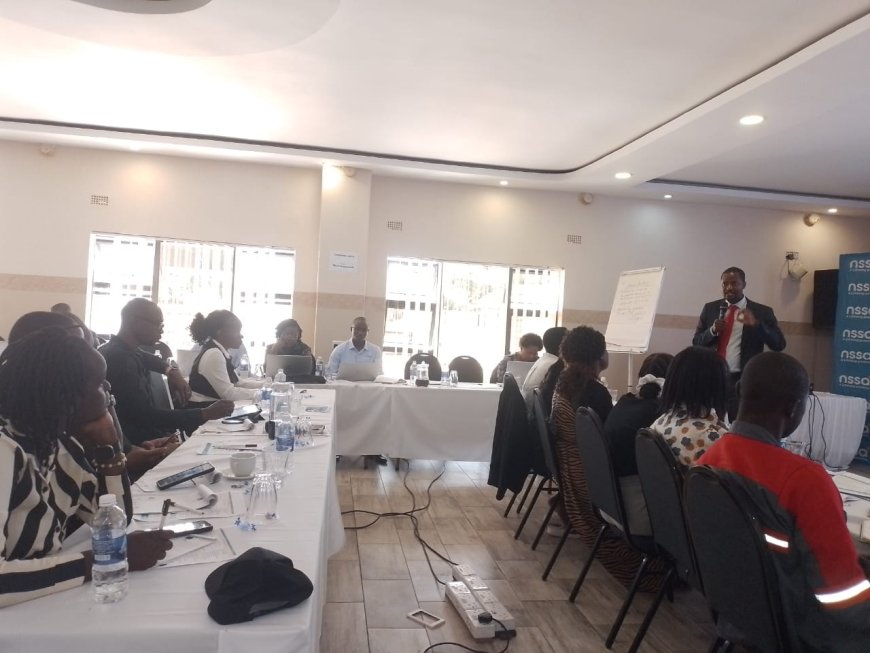
Journalists must investigate unsafe practices, track inspection outcomes, and hold both employers and regulators accountable to cut workplace deaths, the National Social Security Authority has said.
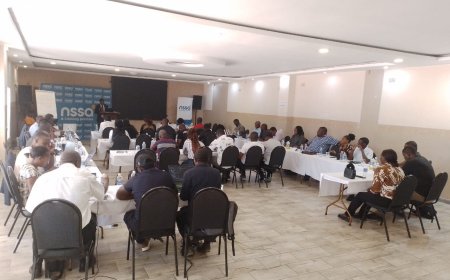
In a presentation on, OSH Legal Compliance as a Tool for Creating a Safe Work Environmentent, to a group of Midlands based journalist at a NSSA sponsored Journalists Basic Occupational Safety and Health Course, or BOSHC, and Eng. Maruza, outlined five duties: Investigating unsafe practices, Following up on inspection outcomes, Reporting on compensation delays, Highlighting compliance success stories, and Holding both employers and regulators accountable.He said too many accident reports end with casualty numbers. “Investigating unsafe practices means asking what guard was missing, what training was skipped, and what chemical was unlabelled,” he said.
Reporters should use NSSA’s four OSH components as a checklist. On enforcement, he said journalists must demand results. “Following up on inspection outcomes” requires reporters to obtain NSSA inspection reports after incidents and publish whether safety orders were obeyed. Ignored orders that later cause death are a story, he said.
Eng. Maruza said compensation coverage is a human story. “Reporting on compensation delays” exposes bottlenecks in NSSA’s Workers Compensation Scheme, which processed claims for over 8,200 injuries in 2025. Families suffer when payments stall.
He cautioned against only-negative news. “Highlighting compliance success stories” proves safety is profitable and pushes other firms to copy best practice. He cited companies that slashed injuries by 60% after adopting Vision Zero systems.
The final role targets all parties. “Holding both employers and regulators accountable” means journalists must question NSSA as well. “If we inspect but fail to enforce, write it. If we delay compensation, write it,” Eng. Maruza said.
He posed three questions for newsrooms: “When reporting accidents, do we ask about compliance history? Do we investigate inspection records? Do we follow up six months later?” He said the answer is usually no, and that gap costs lives.
Zimbabwe recorded 75 worker deaths and 8,770 injuries in 2022-2023, and 57 deaths with 8,371 injuries in 2024-2025. The Injury Frequency Rate fell from 2.3 to 2.1. Eng. Maruza said better media scrutiny under the 2021 National OSH Policy helped drive the decline.