NSSA Nurse: Chemical, Noise, Silica, Stress Cause Diseases Targeting Lungs, Skin Of Specific Workers
NSSA Nurse: Chemical, Noise, Silica, Stress Cause Diseases Targeting Lungs, Skin Of Specific Workers
 Francis
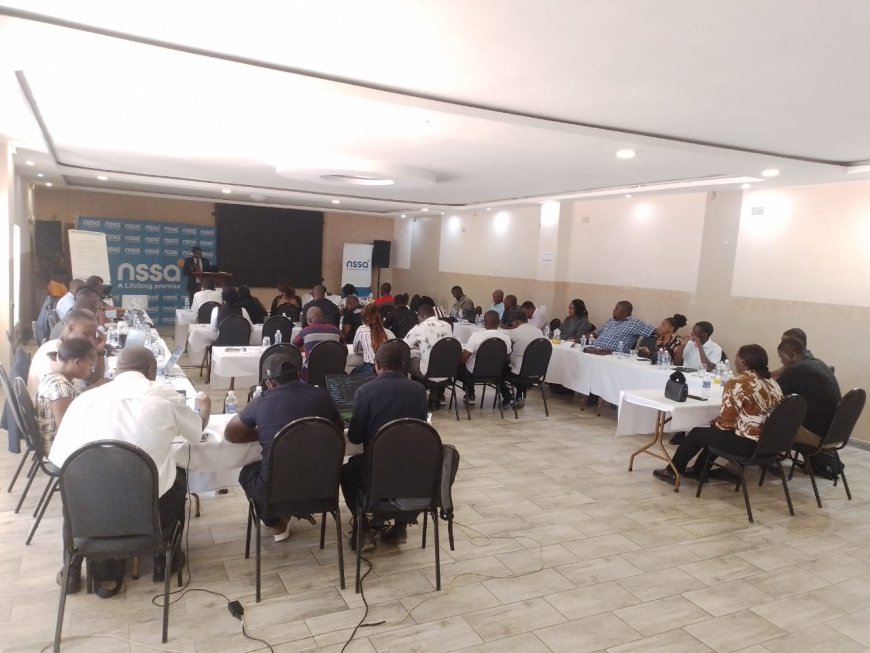
GWERU — Occupational diseases stem from chemical, physical, biological, ergonomic, and psychosocial hazards that target specific organs of workers in high-risk jobs, a senior NSSA nursing officer told 100 journalists Monday in Gweru.
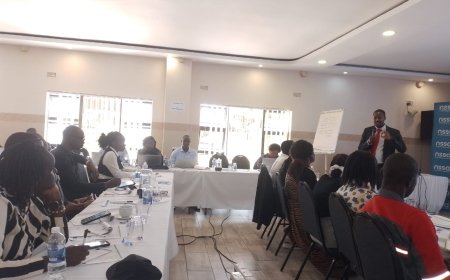
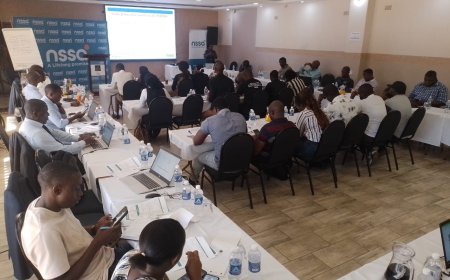
Sr. Martha Name, NSSA Sr. Nursing Officer, presenting a paper on Occupational Health and Surveillance Prommes, to journalists at the Journalists Basic Occupational Safety and Health Course, or BOSHC, said that diseases differ from injuries because they develop slowly and attack specific organs.
“May arise due to any of the following exposures: Chemical, physical, biological, ergonomic, psychosocial hazards,” said Sr. Name and added that chemical hazards include solvents and pesticides. Physical hazards include radiation and vibration. Biological hazards cover bacteria and viruses from animal or sewage contact.
She said ergonomic hazards involve repetitive work and poor posture, while psychosocial hazards include stress, harassment, and shift work. “A journalist on deadline trauma or a miner on 12-hour shifts faces psychosocial hazards that can trigger hypertension or depression,” she said.
Sr. name said that, “Hazard specific – Noise, silica, mercury, repetitive work.” Sr Name explained that noise causes permanent hearing loss. Silica dust causes silicosis and lung cancer. Mercury damages the nervous system. Repetitive work causes carpal tunnel syndrome.
She then linked hazards to jobs visible in the room’s context of mining and agriculture reporting. “Target specific occupations – jackhammer operators, animal handlers, sewerage workers.” Jackhammer operators face vibration and silica. Animal handlers risk zoonotic diseases like anthrax. Sewerage workers face biological hazards.
“Target specific organs – occupational asthma, lung cancer, occupational dermatitis,” Sr. Name said lungs are hit by silica, asbestos, and welding fumes. Skin is hit by cement, solvents, and cutting oils. The brain and nerves are hit by lead and mercury.
She said the Pneumoconiosis Act covers lung diseases from dust, while the Factories and Works Act and S.I. 68/1990 cover noise, chemicals, and ergonomics. Employers must conduct risk assessments and medical surveillance under those laws, as required in her earlier presentation.
Sr Name said NSSA’s Workers Compensation Scheme paid claims for over 8,200 injuries in 2025, but disease claims are rising. “Injuries are visible. Diseases hide for years. By the time a worker coughs blood from silicosis, it is often Stage 3,” she said.
Zimbabwe recorded 75 worker deaths and 8,770 injuries in 2022-2023, and 57 deaths with 8,371 injuries in 2024-2025. The Injury Frequency Rate fell from 2.3 to 2.1. Sr Name said wider medical surveillance in mines contributed to the drop, but disease deaths are counted separately and remain under-reported.
Globally, the ILO estimates 2.7 million workers die yearly from occupational accidents and diseases, with 160 million work-related illnesses. Sr. Name said 86% of those deaths are from diseases, not accidents. “The media covers the explosion. We miss the slow death from silica,” she said.