UNDP Zimbabwe Delivers US$100 Million in Programme Resources, Sets Ambitious 2026 Agenda to Conclude Current Strategic Cycle
 Francis
The United Nations Development Programme (UNDP) Zimbabwe Country Office has announced a major financial milestone, revealing a US$100 million programme delivery for 2025. This significant achievement underscores the organization's deepened commitment to supporting Zimbabwe's national development agenda, particularly its ambitious Vision 2030 goal of attaining upper-middle-income status.
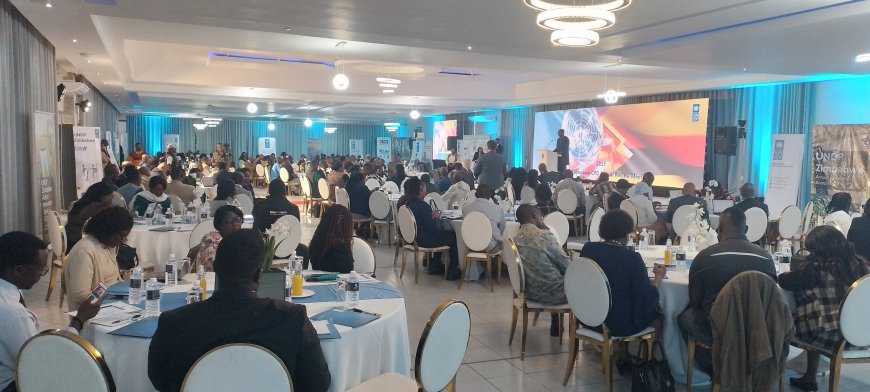
The figure was officially disclosed on Tuesday, December 2, 2025, during a high-level Annual Review Meeting held at the Golden Conifer in Harare. The event served as a critical platform, bringing together a diverse and influential group of key national and international stakeholders. Attendees included senior representatives from the Office of the President and Cabinet, prominent Private Sector leaders from organizations such as ZNCC, FBC, and CBZ, and major Development Partners, including the
European Union, the Embassies of Japan and Switzerland, Ireland, and the Global Fund. The successful delivery of this substantial resource envelope for the year was hailed as a testament to the robust partnerships and strong fiduciary systems established between UNDP, the Government of Zimbabwe, and the donor community.
The meeting served as a critical platform to reflect on the progress made during 2025 and to map out the final, decisive year of the current Country Programme Document (CPD), a five-year strategy spanning 2022 to 2026.
Navigating the Current Country Programme Framework
The US$100 million in delivered resources demonstrates a robust commitment to systemic change, aligning with the three core programmatic pillars of the 2022-2026 CPD: Economic Governance, Nature, Environment, and Climate (also referred to as Nature, Climate, and Energy), and Transformative Governance. This strategy is itself nested within the broader United Nations Sustainable Development Cooperation Framework (UNSDCF) 2022-2026 and the national development strategy, Vision 2030.
The overarching objective of the CPD is to strengthen the resilience of both the Zimbabwean people and the national systems designed to serve them. The successful delivery of such a large financial envelope, confirmed as a demonstration of the "robustness of fiduciary controls" and the strength of the developed systems, underscores the successful partnership model between UNDP, the Government, and donor partners.
Pillar 1: Economic Governance
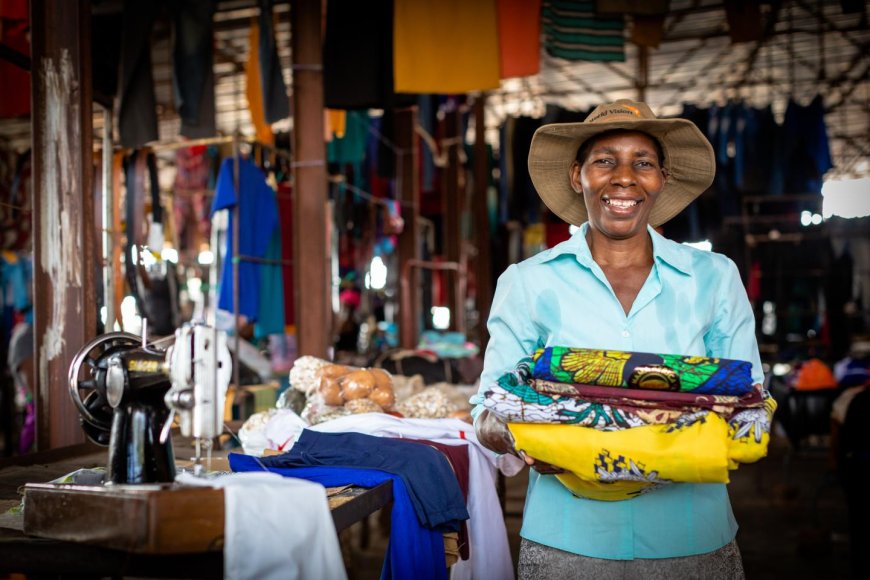
Under the Economic Governance pillar, UNDP's work is centered on fostering equitable, sustainable, and transformative economic growth aimed at lifting people out of multidimensional poverty. A key focus is to support economic activity that includes job creation, skill-building, entrepreneurship, and innovation, with essential linkages to gender and social protection. This component often involves targeted support for livelihoods in poorer districts, promoting scalable downstream interventions, and assisting with the creation of value-addition centres for products like honey, dried fruits, and wood. The 2025 delivery indicates significant investment in enhancing national capacities to manage and transparently execute these economic programmes.
Pillar 2: Nature, Climate, and Energy
Zimbabwe’s vulnerability to climatic shocks, including recurrent droughts and floods, makes the Nature, Environment, and Climate pillar arguably the most critical for long-term sustainability and crisis resilience. The CPD is designed to strengthen environmental protection, climate resilience, and natural resource management, creating a sustainable balance between people, planet, and prosperity. This work involves supporting the implementation of national policies and targets related to climate change, clean energy access, agriculture, disaster risk reduction, and waste management. The emphasis on integrated, climate-resilient approaches was highlighted in the Annual Review Meeting as a key lesson learned from 2025, demonstrating that these cross-cutting strategies are delivering effective results.
Pillar 3: Transformative Governance
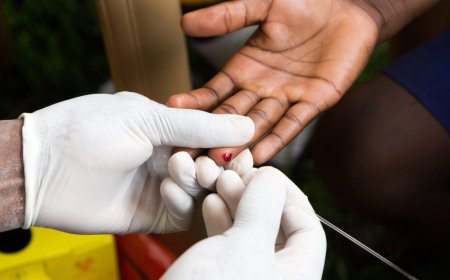
The final pillar focuses on strengthening transformative, accountable, equitable, and inclusive governance. This is crucial for strengthening institutions to deliver universal access to basic services. Key activities under this pillar include support for devolution and decentralisation, strengthening institutions to uphold the rule of law, protecting human rights, and ensuring access to justice. A primary function is to provide platforms for citizen engagement in democratic processes and to bolster the oversight and accountability of institutions. The ongoing work includes significant technical and financial support for the national health system, particularly in managing Global Fund grants to combat HIV, Tuberculosis, and Malaria, a role UNDP has consistently anchored in the country for over a decade.
Lessons Learned and The Road to 2026
The Annual Review provided a candid assessment of the year, distilling six crucial lessons that will shape the final year of the CPD and inform the next strategic cycle.
The primary lesson reaffirmed was that Partnerships remain our strongest anchor. The very composition of the meeting—uniting Government, Development Partners, and the Private Sector—is evidence of this integrated approach. Other core takeaways from the 2025 implementation included:
• Integrated, climate-resilient approaches deliver results.
• Digital transformation enhances accountability and efficiency.
• Youth and gender inclusion must remain central.
• Innovation—from renewable energy to AI—accelerates development.
• Inclusivity ensures no one is left behind.
These lessons inform the high-priority action points for 2026, which is designated as the "Final CPD Year" for the current 2022-2026 cycle.
Critical Priorities for the Final Year (2026)
Looking ahead to 2026, the strategic focus will intensify, zeroing in on high-impact areas to consolidate the gains of the past four years. The priorities outlined by the Country Office will include:
• Strengthening health and HIV outcomes: Building upon the long-standing commitment to health system resilience.
• Scaling climate resilience, clean energy, and water systems: Directly addressing the effects of climate variability on livelihoods and food security.
• Deepening youth and women’s economic empowerment: A direct response to the lesson learned on gender and youth inclusion, focusing on job creation and skill development.
• Advancing governance, justice, and decentralisation: Continuing the push for enhanced transparency and subnational service delivery as part of the devolution agenda.
• Expanding digital transformation and AI readiness: A forward-looking step to leverage new technologies for efficiency, aligning with the global UNDP focus on digital and AI transformation as a powerful accelerator.
• Linking humanitarian work with long-term resilience: Solidifying the nexus approach to ensure that crisis response simultaneously builds the capacity for long-term development.
Beyond the programmatic conclusion of the current cycle, the Country Office is also beginning the crucial preparatory work for the future. A significant priority for 2026 is Designing the 2027–2031 CPD based on evidence and comprehensive community voices.
This new document will set the stage for the United Nations’ partnership with Zimbabwe for the latter half of Vision 2030.
In closing the Annual Review, a collective message of optimism and renewed purpose was shared. The US$100 million delivered in 2025 is viewed not just as a financial metric but as an indicator of Zimbabwe’s inherent resilience and the power of its partnerships. As the country enters the final year of the current Country Programme, the focus remains firmly on accelerating human development while simultaneously easing pressures on the planet, ensuring that all work remains aligned with national priorities and leaving no one behind. The successful completion of the 2022-2026 CPD will be instrumental in setting the stage for Zimbabwe’s next phase of development.