African Experts Convene in Nairobi to Validate Genome Editing Findings Across 16 Countries
 Francis
NAIROBI, Kenya — Scientists, policymakers, and regulatory authorities from across Africa have gathered in Nairobi to validate the findings of a continent-wide Genome Editing Landscape Analysis, a major step toward advancing the use of modern biotechnology to improve agricultural productivity and food security.
The validation workshop, convened by the African Union Development Agency–NEPAD (AUDA-NEPAD), brings together experts from more than 16 African countries to review evidence on the status, readiness, and governance of genome editing technologies on the continent. The meeting forms part of AUDA-NEPAD’s Genome Editing Program, an initiative aimed at supporting African Union Member States to responsibly harness genome editing tools for sustainable development, particularly in agriculture.

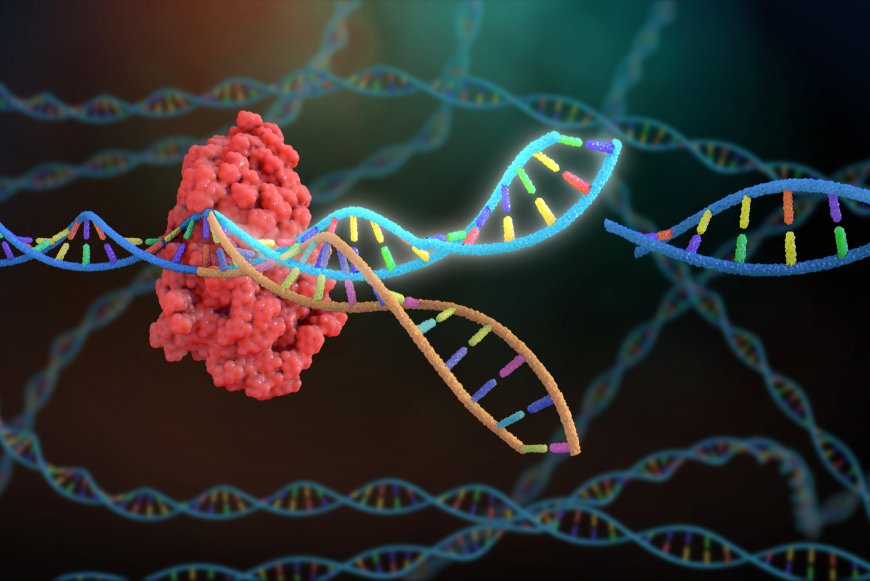
Genome editing technologies, such as CRISPR-based methods, allow scientists to make precise changes to an organism’s DNA to improve traits like drought tolerance, disease resistance, and yield. Proponents argue that these tools could help African farmers respond to mounting challenges including climate change, pests, crop diseases, and soil degradation.
“This validation process is critical to ensure that the findings accurately reflect the realities across African countries,” said one senior biotechnology policy expert participating in the meeting. “We are not just looking at the science, but also at regulatory systems, institutional capacity, and public awareness.”
The Genome Editing Landscape Analysis was conducted over several months and assessed national policies, research capacity, regulatory frameworks, and ongoing genome editing research activities across participating countries. Preliminary findings suggest that while scientific interest and research capacity are growing in parts of Africa, progress remains uneven, with significant gaps in regulatory clarity, funding, and human capital development.
According to AUDA-NEPAD officials, the workshop in Nairobi is designed to allow country representatives to interrogate the data, confirm national-level findings, and provide additional context before the report is finalized. The validated report is expected to inform continental strategies and guide investments in biotechnology research and development.
“Validation by Member States ensures ownership,” said an AUDA-NEPAD representative involved in the Genome Editing Program. “This is not a top-down exercise. Countries must see themselves in the data if the recommendations are to be meaningful and implementable.”
Agriculture remains central to Africa’s economy, employing more than 60 percent of the continent’s population. However, productivity levels lag behind global averages, and food imports continue to rise. Policymakers at the meeting emphasized that genome editing could complement conventional breeding approaches and other innovations already being promoted under the African Union’s Comprehensive Africa Agriculture Development Programme (CAADP).
Several experts noted that genome editing differs from older genetic modification techniques and, in some cases, produces changes similar to those that occur naturally or through traditional breeding. This distinction has regulatory implications, and the landscape analysis highlights varying national approaches to classifying and regulating genome-edited products.
“In some countries, genome-edited crops are regulated under existing biosafety laws, while others are still developing specific guidelines,” said a regulatory specialist attending the workshop. “Harmonization will be important if Africa is to benefit from regional trade and shared research.”
The Nairobi meeting also reflects growing political attention to science-led solutions for development. Representatives from agriculture, science, technology, and environment ministries are participating alongside researchers and legal experts. Their discussions include ethical considerations, risk assessment, and the need for public engagement to build trust around new technologies.
Public perception remains a key challenge. Past debates over genetically modified organisms (GMOs) in Africa have been highly polarized, often marked by misinformation and limited public understanding. Participants at the workshop stressed the importance of transparent communication and evidence-based policymaking.
“Science alone is not enough,” said one policymaker. “We need clear policies, informed leaders, and citizens who understand both the benefits and the risks.”
AUDA-NEPAD officials say the validated report will feed into capacity-building programs, policy dialogues, and support for national regulatory agencies. It will also contribute to the African Union’s broader Science, Technology and Innovation Strategy for Africa (STISA-2034), which prioritizes biotechnology as a driver of socio-economic transformation.
The workshop is expected to conclude with consensus on the report’s findings and recommendations, setting the stage for its formal adoption and dissemination. For many participants, the meeting represents a turning point in how Africa approaches emerging biotechnologies.

“If Africa does not shape its own genome editing agenda, it risks being left behind,” said one senior scientist. “This process is about preparedness, sovereignty, and using science to solve African problems.”
As climate pressures intensify and food demand continues to grow, the outcomes of the Nairobi validation workshop may play a decisive role in determining how quickly — and how safely — genome editing moves from African laboratories to farmers’ fields.