GLOSTA Sciences Management Introduce Turnkey Livestock Management Technologies
 Francis
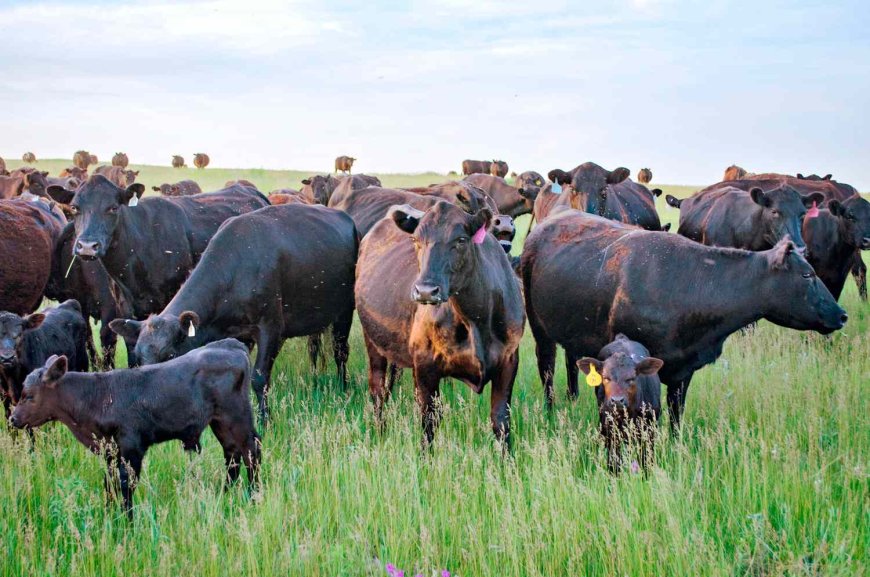
An Australia-based biotechnology firm, Glosta Science, has begun deploying advanced reproductive technologies across Zimbabwe’s communal farming sector in a move that could triple livestock birth rates and significantly boost milk production for smallholder farmers, company officials disclosed this week.
Led by regional representative Farai Wadyehwata, the initiative introduces a "three-way gene" embryo transfer program designed to rapidly propagate superior cattle genetics without the use of genetic modification or cloning.
The intervention targets the country’s communal agriculture system, where more than 70 percent of the population depends on farming, yet the national beef herd has stagnated at between five and 5.5 million cattle for over a decade.
Glasta Science’s protocol, known as the Advanced Herd System, combines in-vitro fertilization with gender-specific embryo selection, allowing farmers to choose male or female offspring and introduce disease-resistant traits tailored to local climatic conditions.
The "trypogen pathway" crosses three distinct animal lines to produce offspring with stronger fertility, longer lifespans, and higher immune yields compared to conventionally bred stock.
The technology significantly compresses traditional breeding timelines. While a cow’s natural reproductive lifespan typically yields about 12 calves, embryo transfer techniques can generate up to 36 calves from a single elite donor animal.
Wadyehwata confirmed that the organization is prioritizing women and communal farmers as primary beneficiaries, linking the program and said that he is interested in ensuring that the project benefits many people in Zimbabwe.
Speaking at the 4th Diaspora Conference in Gweru, Mr. Wadyahwata said that the Government has endorsed the project and his company is looking for a for a local financial serviices sector partner to scale up the project.
Precision farming tools and digital livestock stock cards are being integrated into the rollout to help farmers monitor health, breeding cycles, and resource management.
The initiative aligns with a broader government push to digitize the nation’s US$2 billion livestock sector.
The program aims to enhance food security, milk production, and livelihoods for smallholder farmers across Zimbabwe’s communal lands.