UNICEF marks three decades of RUTF, calls for national funding to secure supply chain in Zimbabwe
UNICEF marks three decades of RUTF, calls for national funding to secure supply chain in Zimbabwe
 Francis
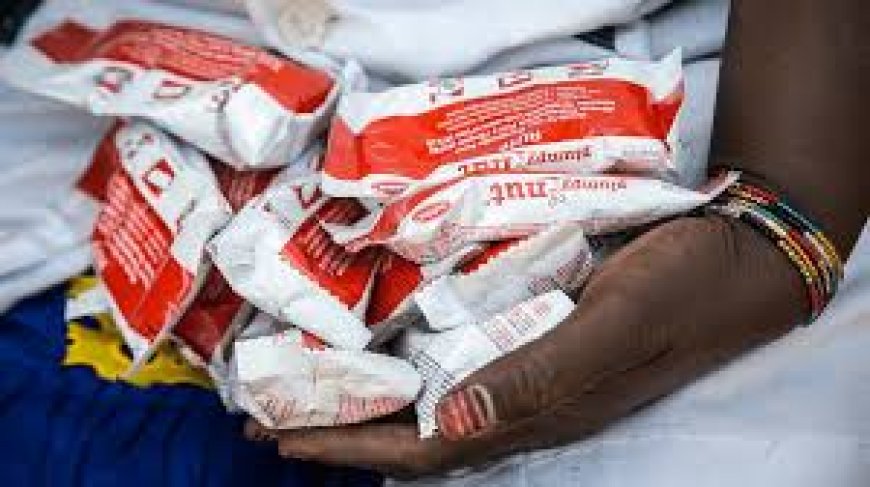
Harare – Thirty years after its development, Ready‑to‑Use Therapeutic Food (RUTF) has transformed the treatment of severe acute malnutrition in Zimbabwe, shifting care from hospital wards to homes and saving thousands of children’s lives, according to a UNICEF commemorative document seen by FinTech Review.Africa.
Before RUTF, treatment for severe acute malnutrition required hospitalisation, medical supervision, and complex food preparation. The nutrient‑dense, energy‑rich paste now allows simple, safe, outpatient care, enabling children to recover at home while families remain together.
In Zimbabwe, RUTF became a critical tool in 2008 when the Ministry of Health and Child Care, with UNICEF support, rolled out the Community Management of Acute Malnutrition (CMAM) programme. Since then, thousands of children have been treated successfully through community‑based outpatient care.
The CMAM programme, largely supported by UNICEF, has expanded to reach 100 percent geographic coverage across the country. RUTF is now included on Zimbabwe’s national essential medicines supply list, reflecting strong Government ownership and commitment to addressing child malnutrition.
“RUTF shows that when innovation, political commitment, and investment come together, millions of children’s lives can be saved from malnutrition,” UNICEF said in the document. The agency is calling on governments, donors, and partners to protect and expand these gains so that no child dies from preventable malnutrition.
Globally, UNICEF is the world’s leading procurer of RUTF, purchasing up to 80 percent of global demand. In Zimbabwe, UNICEF supports the procurement of 100 percent of the national supply of RUTF. More than XXX sachets are procured annually, though the exact figure was redacted in the document.
UNICEF continues to pioneer new formulations using alternative ingredients like chickpeas and soy that are more environmentally sustainable and locally available, strengthening production capacity in countries that need it most.
Malnutrition remains a major concern in Zimbabwe. The country experiences recurrent droughts, economic shocks, and food insecurity, which reduce household food availability and dietary diversity. More than 23.8 percent of children under five are stunted, while 6.1 percent are overweight due to diets high in fat, salt and sugar.
UNICEF works with the Ministry of Health and Child Care on multiple fronts: establishing national policies and guidelines for RUTF use, training health workers, strengthening supply chains, and ensuring families can access treatment close to home.
“Going forward, UNICEF is working with the Ministry of Health and Child Care to lobby for a national contribution towards the RUTF supply chain costs, that can be matched with donor funding to ensure no child dies of severe malnutrition in Zimbabwe,” the document states.
The anniversary document underscores that RUTF has empowered health systems to reach far more children, even in remote or crisis‑affected areas. Before RUTF, severe acute malnutrition was often a death sentence; today, community‑based outpatient care is the norm.
Malnutrition weakens a child’s immune system, making them more vulnerable to diseases such as diarrhoea, pneumonia, and malaria. Severe forms can be life‑threatening, and even moderate malnutrition increases the risk of death and has long‑term effects on physical growth, learning ability, and future productivity.
As the world marks 30 years of RUTF, UNICEF’s message is clear: protect the gains. “No child should die from malnutrition in a world of plenty,” the agency said.