Zimbabwe Lithium Miner's Festive Donation Deepening Local Links
 Francis
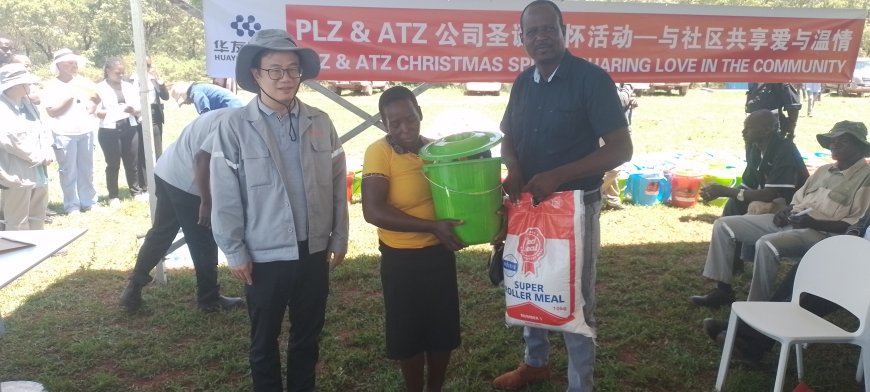
GOROMONZI, Zimbabwe – A Christmas hamper donation by Prospect Lithium Zimbabwe (PLZ) to elderly and disabled neighbouring villagers near the mine has reveal Chinese hospitality and benevolence ahead of the festive season a positive sign of the mining sector's obligation to forge deeper, more sustainable economic ties with host communities, moving beyond seasonal goodwill to foundational local development.
By Francis S. Bingandadi Editor FinTech Review.Africa
At an event in Goromonzi district, PLZ's ESG Director, Yu Long, presented the food parcels, framing the act within the company's commitment to ensuring "no one is left behind." The gesture, consciously aligned with the recent International Day of Persons with Disabilities, highlights the lithium industry's acute focus on its social license to operate as it expands rapidly to meet global battery demand.
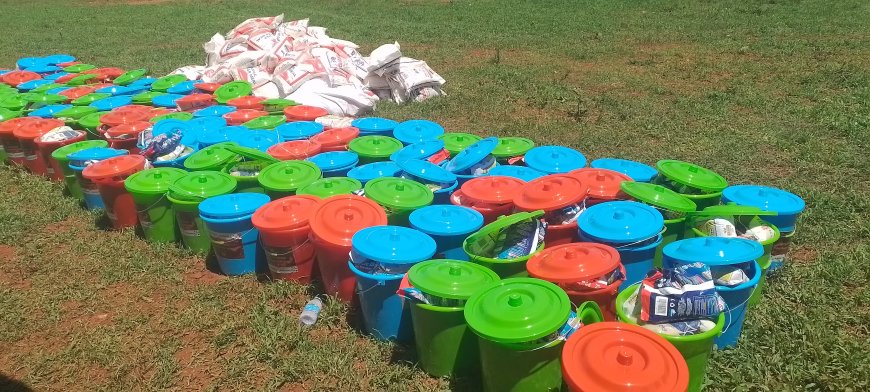
However, community advocates and economic analysts argue that while philanthropy is welcome, the true measure of corporate citizenship lies in creating durable local economic value. "Food hampers address immediate need, which is important," said Tafadzwa Chikandiwa, a coordinator with the Goromonzi Community Development Trust. "But our lasting ask is for preferential employment, skills training for our youth, and procurement contracts for local suppliers. That is how mining translates into generational change."
This sentiment reflects a growing global investor priority: rigorous, measurable Environmental, Social, and Governance (ESG) standards. For international financiers backing Africa's critical minerals, a company's local content strategy—how much of its spending remains within the host country and community—is a key due diligence metric. PLZ's public commitment to "building relationships," as stated by Long, will increasingly be judged by these tangible economic linkages.
The push for deeper local integration also aligns with Zimbabwe's national policy. The government's Vision 2030 and the National Development Strategy emphasize leveraging extractive industries for broad-based economic advancement. Mining firms are under implicit pressure to demonstrate how their operations catalyze local entrepreneurship and industrial development, not just export raw materials.

PLZ's donation, therefore, serves as a public entry point to a far more complex negotiation between communities, corporations, and the state. The challenge for lithium miners is to design business models where community benefit is structurally embedded, not periodically dispensed. Success in this arena will determine not only social harmony but also the sector's long-term stability and its appeal to ethically-focused global capital.
The Christmas hampers in Goromonzi have thus delivered more than festive cheer; they have spotlighted the critical, unresolved question at the heart of Zimbabwe's lithium boom: will the communities that own the resource become permanent stakeholders in its wealth, or remain periodic beneficiaries of its charity?