President Mnangagwa Commissions Waste Equipment, Links Urban Cleanliness to National Investment Climate
 Francis
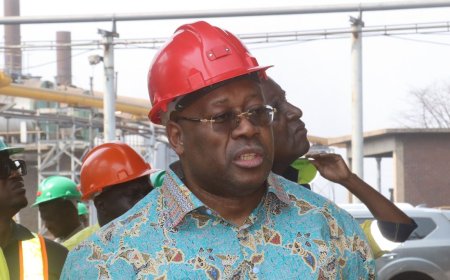
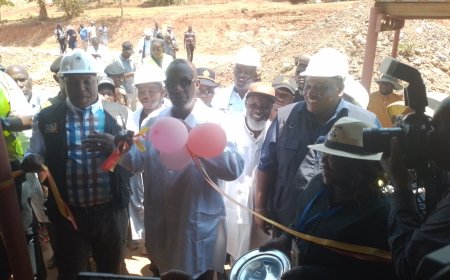
President Emmerson Mnangagwa today commissioned a second batch of refuse collection compactors for Geo-Pomona Waste Management, framing the event as a critical component of Zimbabwe's national development strategy and a direct effort to bolster the country's image as a destination for global investment and tourism.
Speaking at the Geo-Pomona facility, the President directly tied efficient urban waste management to the country's economic ambitions. "A clean environment enhances our country’s brand and image as a conducive global investment and tourist destination," Mnangagwa stated. He cited Zimbabwe's recent designation as ‘the World’s Best Country to Visit in 2025’ as a gain to be consolidated through sustained environmental stewardship.
The commissioning was positioned not as a routine municipal upgrade but as a strategic implementation of the newly launched National Development Strategy 2 (ND6-2030). The President emphasized that modern, technologically enabled waste management is a stipulated priority under the strategy's focus on Agriculture, Food, Climate and Environment.
"The goal is to guarantee that waste management systems transition from being a cost centre for Local Authorities, into viable economic and environmental value chains," Mnangagwa said. He outlined a vision where advanced waste sorting, recycling, and disposal methods are integrated into spatial planning, particularly in response to rapid urbanization and increased economic activity from mining and industrial growth.
The speech highlighted a "Whole of Society Approach," praising the partnership between the Ministry of Local Government and Public Works, the City of Harare, and the private sector operator, Geo-Pomona. The President urged for the replication of such synergies nationwide so that "more of our people benefit from efficient waste management frameworks," stressing that "no one and no place should be left behind."
Mnangagwa also issued a challenge to local authorities, announcing an awards system for top-performing councils based on their observance of the monthly National Clean-Up Day and the maintenance of "clean, safe, healthy and beautiful environments."
The event underscores the growing policy focus on managing the environmental externalities of Zimbabwe's economic expansion, particularly in the mining sector, by treating urban waste not just as a municipal service but as a foundational element of the national brand and a prerequisite for sustainable growth.