The Phygital Siege: Can Zimbabwe’s Fintech Ecosystem Survive the Astronomical Cyber-Disinformation Surge?
 Francis

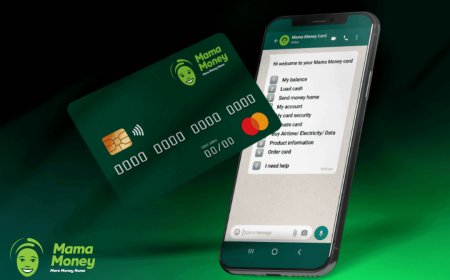
"Phygital" revolution—the high-stakes convergence of physical agent networks and digital wallets—is facing its most volatile stress test to date. As of Q1 2026, internal intelligence reports from the Reserve Bank of Zimbabwe (RBZ) and the National Fintech Strategy Working Group have flagged a staggering 300% surge in hybrid attacks. These incidents involve a lethal combination of technical exploits and a sophisticated "disinformation engine" that threatens to derail the country's $5.93 billion digital retail economy.
While the RBZ reports a 34% increase in transaction volumes driven by the gold-backed ZiG and mobile money platforms like EcoCash and One Money, the dark side of this growth is a "Trust Deficit" fueled by sensationalism and systemic cyber-fraud.
The Anatomy of a Modern Signal Hijack
The 2026 threat landscape is no longer limited to simple password theft. Attackers are now targeting the "air gap" between the user and the network using advanced hardware and psychological manipulation:
Stingray Devices & IMSI Catchers: These illegal cell tower simulators act as fake base stations, forcing nearby smartphones to connect to them. This allows attackers to intercept voice calls and unencrypted SMS, essentially capturing Two-Factor Authentication (2FA) codes before they reach the user.
SIM Swapping: Leveraging a mix of social engineering and "insider threat" vulnerabilities at telecom providers, hackers transfer a victim's mobile identity to a new SIM card. This gives them total control over mobile money wallets and banking apps.
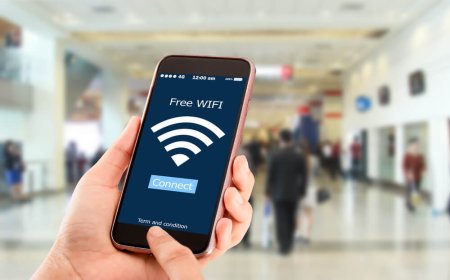
MITM (Man-in-the-Middle) Interception: Hackers position themselves between a smartphone and a public Wi-Fi router (often at government centers or bus termini). By intercepting this link, they can inject malicious scripts that "ghost" transactions, redirecting funds to mule accounts.
The Disinformation Engine: How Tech Reporting is Being Weaponized
Perhaps more dangerous than the technical hacks is the "Disinformation Engine" currently plagueing tech reporting in Zimbabwe. Media outlets, driven by a "click-first" economy, are increasingly using tactics that undermine financial stability.
The Top 5 Tactics Poisoning the Well:
Sensational Headlines: Titles like "ZiG Collapse: Every Wallet Emptied by Invisible Hackers" are frequently used to grab attention. While often misrepresenting the actual scope of a small breach, they provoke mass panic and bank runs.
Clickbait Titles: Proactive titles designed to entice clicks often lead users to "ad-ware" sites that further compromise their device security.
Emotionally Charged Language: Using emotive words such as "catastrophic," "betrayal," and "meltdown" to sway public opinion against digital platforms rather than informing them of actual risks.
Loaded Questions: Framing news as questions—"Is your money safe tonight?"—designed to elicit fear and distrust in regulated systems.
Selective Reporting: "Cherry-picking" individual fraud cases to paint a narrative of a failing ecosystem, while downplaying the millions of secure transactions happening daily.
"Disinformation is the new DDoS attack," says a senior analyst at POTRAZ. "You don't need to crash the server if you can crash the user's confidence. When people stop trusting the digital rails, the entire 'phygital' model collapses."
The Android Defense: 10 Firewall Stacks for 2026
As the threat landscape evolves, "prevention-first resilience" has become the industry's mantra. For users navigating high-risk public networks, a software firewall is no longer optional—it is digital armor.
Leading security-conscious users are adopting these top 10 firewall solutions:
NetGuard: A free, open-source firewall requiring no root access.
NoRoot Firewall: Offers a "pending" queue for any app trying to access the internet.
AFWall+: For "Power Users," requiring root access for advanced scripting and profile management.
Mobiwol: Specializes in app-specific controls and data usage tracking.
Firewall Security AI: Uses Agentic AI to detect suspicious connection patterns automatically.
VPN Safe Firewall: Combines encrypted tunnels with customizable firewall rules.
InternetGuard Data Saver: Prevents background data leaks while providing a security layer.
LostNet NoRoot Firewall: Features "Customizable Profiles" for different network environments.
NetPatch Android Firewall: A highly customizable option where root is optional.
GlassWire: Provides real-time visual alerts when a new app accesses the network.
The Protocol: 10 Tips for Secure "Phygital" Banking
To counter the rise in signal interception and "Rumor-Mongering," experts promote a 10-point protocol:
Use a VPN: Encrypt all internet traffic to mask your digital footprint.
Avoid Sensitive Activities: Never access personal banking on public Wi-Fi.
Use HTTPS: Ensure all websites start with https://.
Keep Software Updated: Patches for telecom vulnerabilities are often hidden in OS updates.
Enable App-Based 2FA: Move away from SMS. Use Google Authenticator or Authy, which are immune to SIM swapping.
Don't Auto-Connect: Disable auto-join for public Wi-Fi.
Verify Network Legitimacy: Confirm the name of the official network before connecting.
Use Encryption for Calls: Use Signal or WhatsApp for sensitive financial discussions rather than standard cellular lines.
Monitor Accounts Daily: Check transaction history for "test" charges.
Secure Your SIM: Set a SIM PIN with your carrier to prevent unauthorized "porting."
The Road Ahead: 2026 and the "Zero Trust" Future
The stakes could not be higher. In 2026, digital disruption and cybercrime are the primary risks facing the Zimbabwean economy. As the Cybersecurity and Data Protection Act matures, the burden of defense is shifting. Fintechs are moving toward "Zero Trust" architecture, but the ultimate shield remains an informed and skeptical public.
In an era of fake news, astroturfing, and troll farms, the most valuable asset in the Zimbabwean fintech sector isn't gold or currency—it's trust.