Africa’s Fintech Frontier Faces “Wi-Fi Crisis” as Cyberattacks Surge 300%
 Francis
NAIROBI, Kenya — Africa’s rapid digital financial revolution is facing a sophisticated new roadblock. As millions of unbanked citizens migrate toward mobile wallets and remittance apps, a shadowy threat is trailing them through the airwaves. New data for Q4 2025 reveals a staggering 300% surge in cyberattacks targeting public Wi-Fi networks across the continent, placing fintech giants and their users in the crosshairs of a mounting security crisis.
According to a joint intelligence briefing from the African Union (AU) and regional cybersecurity watchdogs, the "convenience gap"—the tendency for users to seek free internet in shopping malls, transport hubs, and "Orange Booth" vicinities—has become the primary entry point for a new wave of financial heists.
The "Silent Sniper": Understanding the Surge
For years, the narrative of African fintech was one of pure triumph: reaching the "last mile" through USSD and low-cost data. However, as platforms like Mukuru, EcoCash, and One Money transition into high-fidelity "Super-Apps," the data being transmitted has become more lucrative.
The Anatomy of the Attack
The report identifies three primary vectors currently crippling user accounts:
-
Man-in-the-Middle (MITM) Attacks: Hackers position themselves between a user’s smartphone and the public router. By intercepting this link, they can read unencrypted transaction data in real-time or inject malicious scripts that "ghost" a transaction, redirecting funds to a mule account.
-
Packet Sniffing & Data Theft: Even on "password-protected" public networks, sophisticated tools allow attackers to capture "packets" of data. For a migrant worker sending a remittance via Mukuru, this could mean the exposure of their unique customer ID, PIN, or recipient details.
-
Malware Sideloading: Some compromised hotspots are configured to trigger an "update" notification. Unsuspecting users click to update their mobile wallet, only to install a Trojan that logs every keystroke, including biometric bypasses.
Impact on the Big Players: EcoCash and One Money
The vulnerability is particularly acute for the "Big 2" mobile money platforms. EcoCash (Zimbabwe/SADC) and One Money have seen a combined uptick in "unauthorized access" reports, often originating from users who logged in while at regional border posts or transit cafes.
In Kenya, the Communications Authority recently recorded over 4.6 billion cyber threats in a single quarter—an 80% jump—with a significant portion linked to the exploitation of open network vulnerabilities. When a user accesses a digital health wallet like M-Tiba or a remittance app on an unsecured network, the metadata alone can provide enough information for a "social engineering" follow-up call, where a fraudster poses as a help-desk agent.
Mukuru’s Fortification Strategy
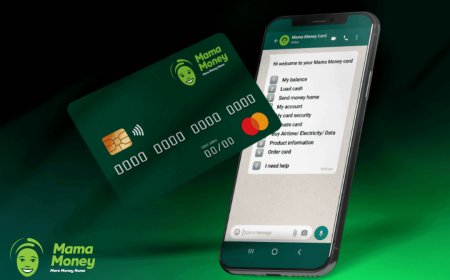
Industry leader Mukuru has been proactive in the face of these threats. Holding a certified ISO/IEC 27001:2022 Information Security Management System, the company has begun rolling out "In-App Guardrails."
Mukuru’s technical security measures now include industry-standard AES-256 encryption for data at rest and TLSv1.3 for data in transmission. Furthermore, the app is designed to detect if a user is on an unsecured network, often prompting a security warning before allowing a high-value transfer to proceed.
The $10 Billion Toll
The stakes could not be higher. In 2023, cybercrime cost the African continent an estimated $10 billion. By the end of 2025, that number is expected to rise as AI-driven "deepfake" voices and automated Wi-Fi sniffing tools become more accessible to low-level criminal syndicates.
Defensive Playbook: How to Stay Secure
As the "Wi-Fi Crisis" intensifies, experts are urging a four-step defensive strategy for all fintech users:
-
Deploy a VPN (Virtual Private Network): Using a reputable VPN ensures that even if a network is compromised, the data leaving your phone is an unreadable "encrypted tunnel."
-
Mandatory 2FA: Never rely solely on a password. Enable Two-Factor Authentication (SMS, email, or biometric) so that even if a hacker steals your PIN via Wi-Fi, they cannot finalize the transaction.
-
The "Home Rule": Refrain from checking balances or sending money while on public Wi-Fi. Use mobile data (4G/5G) for financial tasks, as cellular networks are significantly harder to intercept than open routers.
-
Instant Patching: Keep your fintech apps and phone OS updated. Developers frequently release "silent patches" that block the specific Wi-Fi vulnerabilities hackers are currently using.
The Road Ahead: 2026 and Beyond
The battle for Africa's digital soul is moving to the network layer. While fintechs are investing in AI-led fraud detection, the ultimate weak link remains the human habit of seeking "free" connectivity.
As we move deeper into 2026, the industry expects a shift toward "Zero Trust" architecture, where apps assume every network is hostile and require additional proofs of identity before every click. For now, the message to the 17 million users across the continent is clear: The air is no longer safe—secure your signal.