Public Wi-Fi Security Risks Expose Fintech Transactions in Zimbabwe
 Francis
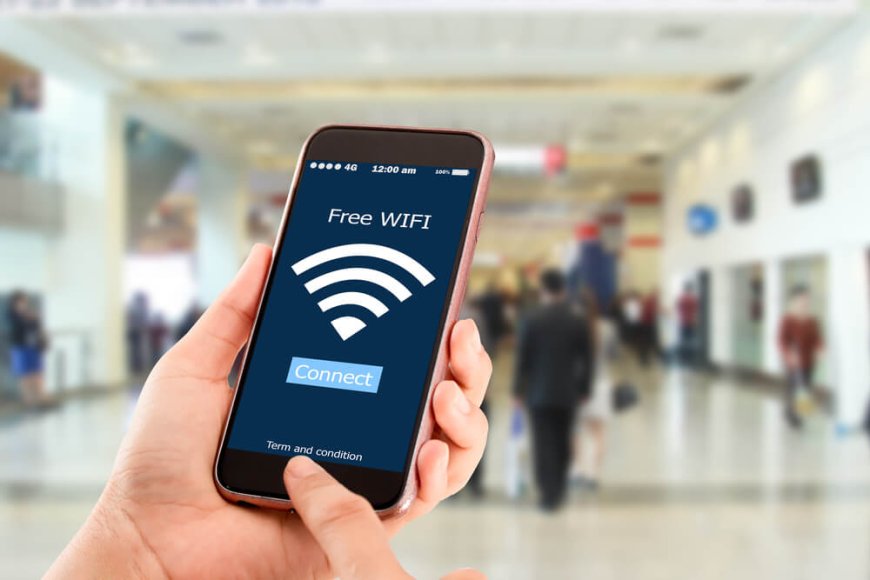
The increasing reliance on public Wi-Fi networks in Zimbabwe's fintech sector has raised alarms among cybersecurity experts, with recent incidents highlighting significant vulnerabilities in protecting sensitive financial transactions.
According to a report by the Zimbabwean cybersecurity firm, CyberSafe, there has been a 300% surge in cyberattacks on public Wi-Fi networks in the past quarter, with fintech platforms being prime targets. The attacks range from Man-in-The-Middle (MITM) exploits to sophisticated malware injections, compromising user data and financial assets.
Public Wi-Fi networks, by design, are less secure than private networks, making them a soft target for hackers. The use of unencrypted connections, weak passwords, and outdated software makes it easier for attackers to intercept sensitive information."
In fintech, where mobile money platforms like EcoCash and One Money dominate transactions, the risks are particularly pronounced. A breach on a public Wi-Fi network could give attackers access to mobile money accounts, enabling them to transfer funds or steal sensitive user data,.
The Zimbabwean government has taken steps to address these risks, including deploying cybersecurity frameworks and awareness campaigns. However, experts argue more needs to be done to protect users.
Implementing robust encryption protocols, enforcing two-factor authentication, and conducting regular security audits are critical steps fintech companies must take..
As fintech continues to drive financial inclusion in Zimbabwe, securing public Wi-Fi transactions is paramount. Fintech companies are advised to prioritize user education on safe Wi-Fi practices and invest in advanced security measures.
Technical Breakdown:
1. MITM Attacks: Hackers intercept communication between user devices and public Wi-Fi routers, stealing data or injecting malware.
2. SSL Stripping: Attackers downgrade HTTPS connections to HTTP, exposing sensitive data.
3. Malware Distribution: Public Wi-Fi networks are used to spread malware through infected downloads or phishing sites.
4. Wi-Fi Sniffing: Hackers capture unencrypted data transmitted over public networks.
Recommendations for Fintech Users:
- Use VPNs on public Wi-Fi
- Ensure HTTPS connections
- Avoid sensitive transactions on public networks
- Use 2FA
- Keep software updated
The fintech sector in Zimbabwe is at a critical juncture, with security measures needing to keep pace with rapid technological advancements. Addressing public Wi-Fi vulnerabilities will be key to sustaining trust in digital financial services.