The Trust Gap: Navigating Logistics and Public Skepticism in the BiG5 ZiG Rollout
The Trust Gap: Navigating Logistics and Public Skepticism in the BiG5 ZiG Rollout
 Francis

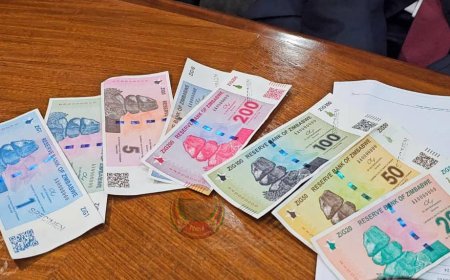
The Reserve Bank of Zimbabwe has commenced the rollout of its upgraded BiG5 ZiG banknote series, aimed at enhancing currency stability and transactional efficiency. This transition, which began on 7 April 2026, follows a nationwide education campaign regarding the new, secure notes. The launch features a phased distribution, starting with lower-value denominations to ensure a smooth, stable, and secure currency implementation.
The Reserve Bank of Zimbabwe has launched the "BiG5 ZiG" banknote series, featuring enhanced security and durability to support the gold-backed currency. While the phased rollout aims to ease cash shortages and stabilize the economy, the new currency faces significant challenges in building public trust and competing with the US dollar.
While the RBZ is projecting "stability and security" with this new rollout, several practical and economic challenges loom for the BiG5 ZiG series:
The "Phased" Supply Gap
By only releasing the ZiG10 and ZiG20 notes today (7 April 2024), the RBZ risks a "change crisis." If the higher ZiG100 and ZiG200 notes aren't available for larger transactions, people may have to carry bulky "bricks" of low-value notes, which was a major frustration with previous Zimbabwean currencies.
Public Trust and "Ghost" Currencies
The policy states that old ZiG notes will co-circulate and only be phased out when they hit the banks. This creates a "multi-generational" currency mess. Zimbabweans have seen many currencies (Bond Notes, RTGS, ZiG v1) lose value rapidly; convincing the public that this version is "sustainable" (as the tagline claims) is a massive psychological hurdle.
Withdrawal Limits vs. Real Prices
With a weekly limit of ZiG10,000 for individuals, the challenge is whether this cash is actually enough to cover basic needs if inflation ticks up. If prices in shops rise faster than the RBZ increases these limits, a "cash squeeze" happens where people have money in the bank but cannot get enough physical paper to pay for transport or small-scale trade.
Re-activating the "Cash-Out" Ecosystem
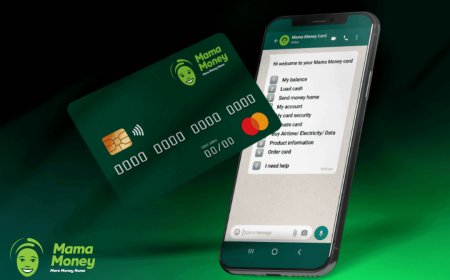
Governor Mushayavanhu is "urging" mobile operators and retailers to offer cashback and cash-out services. However, these businesses often resist holding ZiG cash if they fear they can't easily convert it back into USD to restock their shelves. Without merchant buy-in, the notes might just stay stuck in bank vaults.
The USD Dominance
The biggest challenge isn't the design of the ZiG, but the fact that the US Dollar remains the preferred currency for most informal traders and landlords. The BiG5 series has to compete with a stable, globally recognized "competitor" already in everyone's pocket.