Stability Before Expansion: Zimbabwe’s 2026 Monetary Policy Statement
 Francis
Reserve Bank of Zimbabwe (RBZ) Governor Dr. John Mushayavanhu presented the much-anticipated 2026 Monetary Policy Statement (MPS), delivered under what he described as “vastly more stable financial conditions” compared to previous years, the statement outlined the central bank’s priorities: consolidating macroeconomic stability, maintaining a tight monetary stance, and introducing redesigned currency notes to modernize the financial system.
The MPS is more than a technical document—it is a roadmap for Zimbabwe’s economic trajectory over the next two years. It signals the RBZ’s cautious optimism, balancing stability with gradual reform, and reflects the delicate trade-offs between inflation control, currency credibility, and growth ambitions.
Interest Rates: Anchoring Inflation at All Costs
One of the most closely watched announcements was the decision to maintain the Bank Policy Rate at 35%. Industry players had lobbied for a reduction, arguing that high borrowing costs stifle investment and limit expansion. However, Dr. Mushayavanhu defended the stance, emphasizing that inflation control remains the overriding priority.
Year-on-year inflation slowed to 3.8% in February 2026, a remarkable achievement given Zimbabwe’s turbulent monetary history. The RBZ aims to keep inflation in single digits throughout the year, and the Governor argued that loosening monetary policy prematurely could jeopardize these gains.
This “Stability Before Expansion” philosophy underscores the RBZ’s belief that sustainable growth must rest on a foundation of price stability. By keeping rates high, the bank hopes to prevent speculative borrowing, curb excess liquidity, and reinforce confidence in the ZiG currency.
Redesigned ZiG Banknotes: Currency Modernization
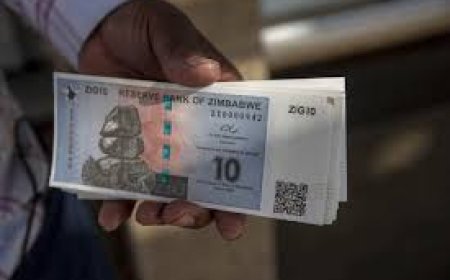
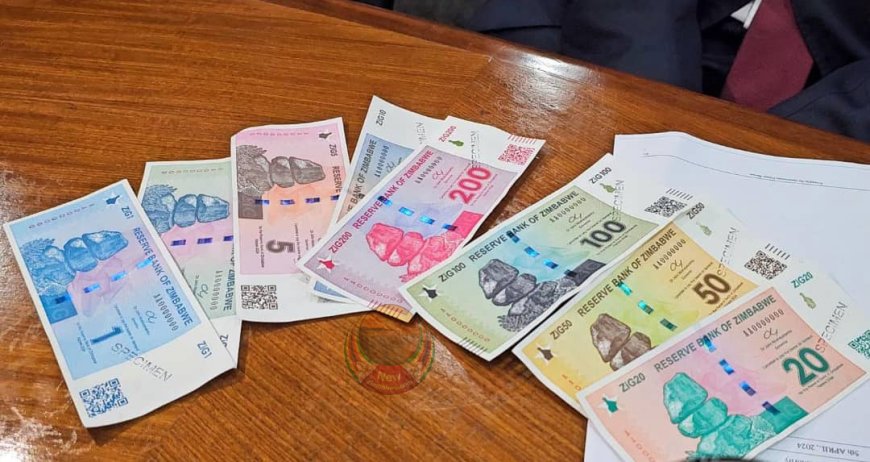
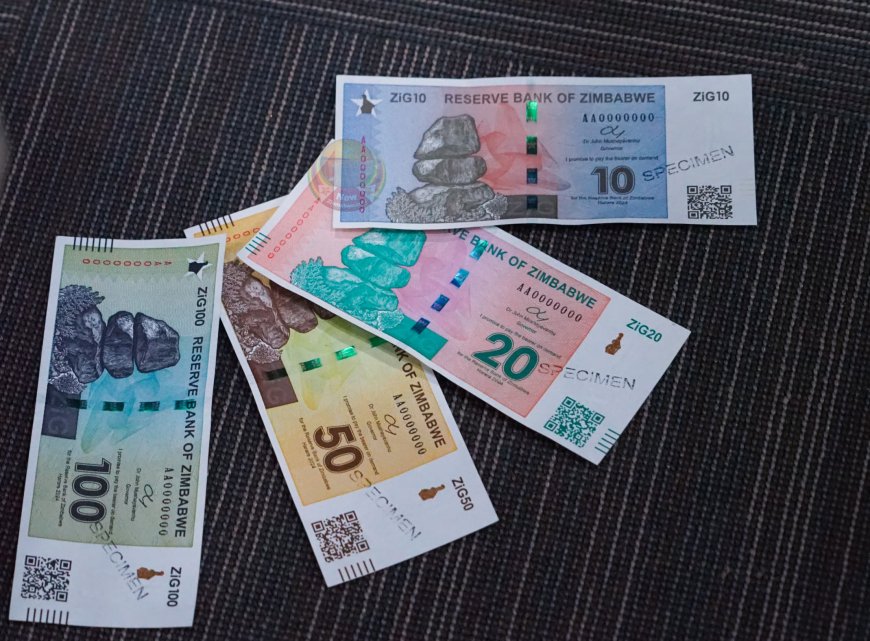
Perhaps the most symbolic announcement was the introduction of redesigned ZiG banknotes, set to enter circulation on 7 April 2026. The new notes, ranging from 50 ZiG to 200 ZiG denominations, feature Zimbabwe’s iconic “Big Five” animals—lion, elephant, buffalo, leopard, and rhinoceros.
Beyond aesthetics, the redesign serves practical purposes. The notes are engineered for durability and enhanced security, reducing counterfeiting risks and improving public trust. For a nation where currency credibility has been repeatedly tested, the rollout represents both a technical upgrade and a psychological milestone.
The Governor framed the redesign as part of a broader currency roadmap, which envisions Zimbabwe transitioning to a mono-currency system by 2028, provided stability milestones are met. For now, the multi-currency system remains in place, with the U.S. dollar continuing to play a dominant role in transactions.
Currency Roadmap: Toward De-dollarisation
Zimbabwe’s monetary history has been defined by cycles of hyperinflation, dollarisation, and attempts at reintroducing local currency. The 2026 MPS sets a cautious but clear timeline: by 2028, the RBZ hopes to achieve a mono-currency system centered on the ZiG.
This transition will not be abrupt. The RBZ acknowledges that credibility must be earned through consistent performance. The redesigned notes, inflation control, and reserve accumulation are stepping stones toward this goal.
Dr. Mushayavanhu emphasized that the success of de-dollarisation hinges on maintaining stability. If inflation remains anchored, reserves continue to grow, and confidence in the ZiG strengthens, Zimbabwe could finally reclaim full monetary sovereignty.
Support for Small-Scale Miners: A Strategic Sector
In a targeted intervention, the RBZ announced that small-scale gold miners will now receive 10% of their payments in ZiG, with the remainder in U.S. dollars. This policy serves multiple purposes:
-
Currency Circulation: By channeling ZiG directly into a vital sector, the RBZ ensures the currency gains practical utility.
-
Reserve Building: Gold remains central to Zimbabwe’s reserve strategy, and miners are key suppliers.
-
Sector Support: Small-scale miners, often marginalized, gain recognition as strategic contributors to national stability.
The move reflects the RBZ’s pragmatic approach—gradually increasing ZiG’s role without undermining miners’ access to hard currency.
Reserve Building: The Daily Dashboard
Another highlight of the MPS was the emphasis on reserve accumulation. The RBZ continues to build gold and foreign exchange reserves, using a “daily dashboard” to monitor market movements at 4:00 PM each day. This system allows for rapid intervention, ensuring that shocks can be managed before they spiral.
Reserves are the backbone of currency credibility. By strengthening its buffer, Zimbabwe enhances its ability to defend the ZiG, stabilize exchange rates, and reassure investors. The dashboard approach reflects a modern, data-driven central banking style, signaling that the RBZ is committed to transparency and agility.
Economic Indicators: A Snapshot of Stability
The 2026 MPS presented a set of indicators that capture Zimbabwe’s current position:
| Metric | Current Status (Feb 2026) | Policy Action |
|---|---|---|
| Bank Policy Rate | 35% | Maintained |
| Annual Inflation (ZiG) | 3.8% | Target: Single digits |
| New Currency Launch | April 2026 | Notes (50–200 ZiG) |
| Mono-currency Target | 2028 | Gradual de-dollarisation |
These figures tell a story of cautious progress. Inflation is under control, currency reform is underway, and reserves are growing. Yet challenges remain: high interest rates constrain borrowing, and reliance on the U.S. dollar persists.
The Balancing Act: Stability vs. Growth
The 2026 MPS embodies a delicate balancing act. On one hand, the RBZ is determined to anchor inflation and strengthen the ZiG. On the other, businesses and households face high borrowing costs and limited liquidity.
Critics argue that without easing rates, investment will stagnate. Supporters counter that premature expansion risks reigniting instability. The Governor’s stance is clear: stability must come first. Only once inflation is firmly under control can Zimbabwe pursue aggressive growth strategies.
Public Confidence: The Ultimate Test
Monetary policy is not just about numbers—it is about trust. The redesigned notes, reserve accumulation, and inflation control are all aimed at rebuilding confidence in Zimbabwe’s financial system.
Public perception will determine whether the ZiG succeeds. If citizens believe the currency is stable, they will use it. If doubts persist, dollarisation will remain entrenched. The RBZ’s challenge is therefore as much psychological as it is technical.
Conclusion: A Measured Path Forward
The 2026 Monetary Policy Statement marks a turning point. It reflects a central bank that has learned from past crises, prioritizing stability over short-term gains. By maintaining high interest rates, introducing modernized currency, supporting miners, and building reserves, the RBZ is laying the groundwork for a more resilient economy.
The path to a mono-currency system by 2028 is ambitious but achievable—if stability is sustained. Zimbabwe’s economic future hinges on the success of this cautious, disciplined approach.
Dr. Mushayavanhu’s message is clear: stability before expansion. For a nation scarred by monetary turbulence, this philosophy may be the only way to rebuild trust, restore sovereignty, and chart a sustainable path forward.