Building Resilience: Zimbabwe’s 2026 National Budget Priorities
 Francis
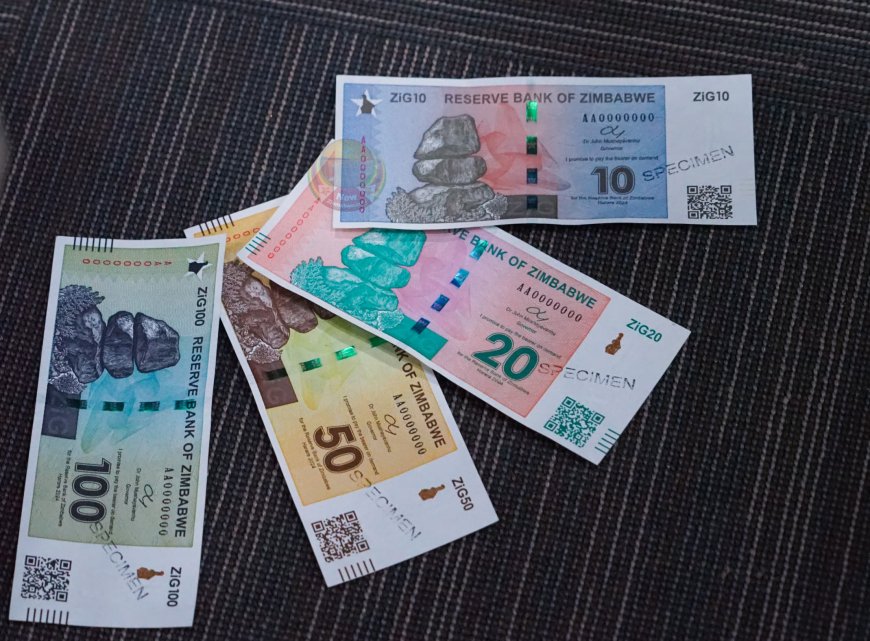
As Zimbabwe enters 2026 with what the Government defines as improved financial stability, the government has unveiled its National Budget, designed to reinforce resilience and align with the Reserve Bank’s monetary stance. Presented by Finance Minister Professor Mthuli Ncube earlier this month, the budget emphasizes fiscal discipline, infrastructure investment, and social protection.
Fiscal Discipline and Revenue Mobilization
The budget projects a modest surplus, reflecting tighter expenditure controls and improved tax collection. Key measures include:
-
Digital Taxation: Expanding the tax net to cover digital platforms and e-commerce, ensuring revenue keeps pace with modern business models.
-
Public Sector Efficiency: Rationalizing government spending by reducing duplication across ministries and agencies.
-
Debt Management: Committing to limit new borrowing, with a focus on concessional loans to avoid unsustainable debt accumulation.
Infrastructure Investment
Recognizing that stability must translate into tangible development, the budget allocates significant resources to infrastructure:
-
Energy Projects: Expansion of solar and hydro capacity to reduce reliance on imports and stabilize electricity supply.
-
Transport Networks: Rehabilitation of key highways and rail lines to improve trade connectivity.
-
Water Systems: Investment in dams and irrigation schemes to support agriculture and climate resilience.
Social Protection and Human Capital
The budget also prioritizes vulnerable groups and long-term capacity building:
-
Health: Increased funding for hospitals and clinics, with a focus on rural areas.
-
Education: Expansion of digital learning platforms and teacher training programs.
-
Social Safety Nets: Targeted cash transfers for low-income households, aligned with inflation control measures to preserve purchasing power.
Alignment with Monetary Policy
The fiscal plan complements the RBZ’s “Stability Before Expansion” philosophy. By avoiding excessive spending and focusing on reserves, the government ensures that fiscal and monetary policies move in tandem. This coordination is critical for sustaining single-digit inflation and preparing for the eventual transition to a mono-currency system.
Outlook
Zimbabwe’s 2026 budget reflects cautious optimism. It balances discipline with investment, ensuring that stability translates into growth. If executed effectively, the combination of tight monetary policy and prudent fiscal management could mark a turning point—laying the foundation for sustainable development and renewed confidence in the nation’s economic future.