
RBZ Unleashes Market-Driven Pricing as Parallel Market Premiums Plummet to 20%
 Francis
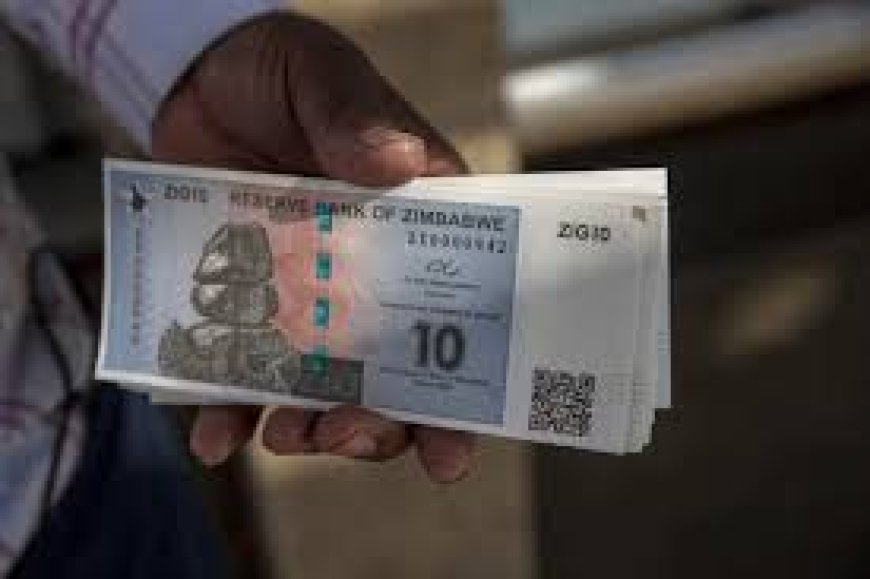
HARARE — The Reserve Bank of Zimbabwe (RBZ) has announced a significant shift in its monetary strategy, launching an upgraded series of Zimbabwe Gold (ZiG) banknotes while maintaining a hawkish policy stance to entrench long-term stability.
Monetary Policy and Inflation
Under the leadership of Governor Dr. John Mushayavanhu, the central bank confirmed it will maintain its primary policy rate at 35% to curb borrowing and contain monetary expansion. This decision follows a milestone in the nation's "Back-to-Basics" strategy, with ZiG annual inflation dropping to 3.8% in February 2026—the first single-digit local currency inflation recorded in over three decades.
Currency Transition and Redesign
The RBZ unveiled a new series of redesigned ZiG 10, 20, and 50 banknotes, set to enter circulation on April 7, 2026. The notes, featuring "Big Five" wildlife, utilize improved cotton substrate to address public concerns regarding the durability of the 2024 series. Higher denominations (ZiG 100 and 200) are scheduled for a phased rollout later in the year.
Reserve Backing and Market Stability
As of late February 2026, the central bank’s total reserves reached US$1.3 billion, including 4.2 tonnes of gold valued at approximately US$738 million. This reserve base, equivalent to 1.5 months of import cover, has supported the ZiG's stability on the Willing-Buyer-Willing-Seller (WBWS) interbank market, where the exchange rate has hovered between ZiG 25–27 per US dollar.
Key Strategic Objectives
Mono-currency Roadmap: The RBZ has scrapped a previously suggested 2030 deadline for the sole adoption of the ZiG, instead targeting a flexible transition to a mono-currency system by 2028, pending sustained economic milestones.
Transaction Cost Rationalization: New caps have been placed on electronic charges, with POS transaction fees limited to 1.5% and cash withdrawal fees at 2%.
Foreign Exchange Convergence: The bank reported that parallel market premiums have narrowed from over 100% in 2024 to below 20% in early 2026, indicating increased market confidence in the interbank system.