
Zimbabwe Deploys AI and Drones to Shield Medicinal Heritage as Ministry Launches National Biodiversity Strategy
 Francis
0
5
HARARE — In a high-stakes move to secure the nation’s ecological and cultural future, Zimbabwe converged at the ZimParks Gardens today to mark a dual milestone: World Wildlife Day and Africa Environment (Wangari Maathai) Day. The Ministry of Environment, Climate and Wildlife utilized the March 3, 2026, platform to announce an aggressive new conservation frontier, blending ancient traditional knowledge with cutting-edge artificial intelligence to protect the country's dwindling medicinal flora.
The Hook: A Convergence of Heritage and High-Tech
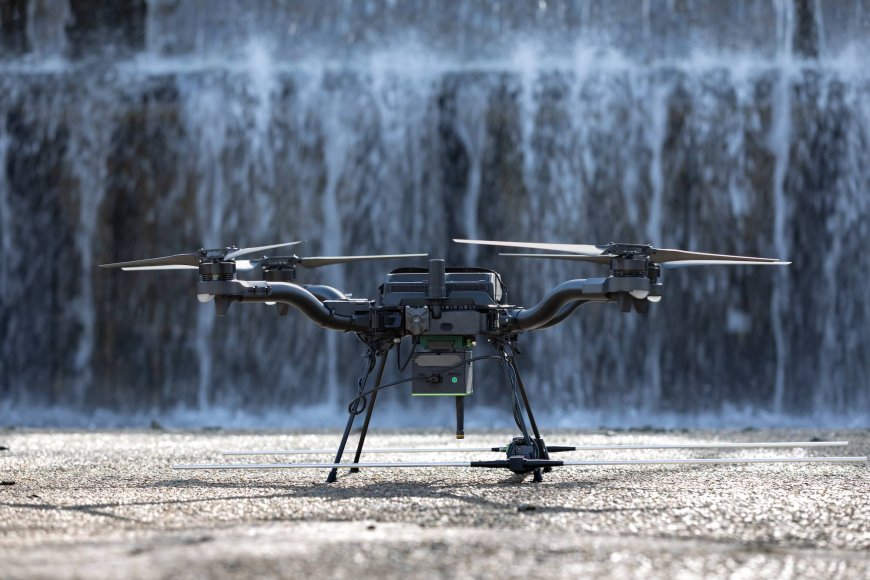
Beneath the canopy of the ZimParks Gardens, the air was thick with the scent of crushed herbs and the hum of surveillance drones. It was a visual representation of Zimbabwe’s current environmental crossroads: a nation fighting to preserve its oldest traditional healing secrets using the world’s newest technology. "These medicinal plants are integral to Zimbabwe’s ecosystems and traditions," the Ministry declared, "yet they face growing threats from habitat loss, overharvesting, and illegal trade."
A Unified Front for Bio-Security
This year’s joint commemoration operates under a synchronized thematic mandate. World Wildlife Day focuses on “Medicinal and Aromatic Plants: Conserving Health, Heritage and Livelihoods,” while Africa Environment Day mirrors this priority with “Biodiversity and Traditional Knowledge: Conserving Health, Heritage and Livelihood.”
According to Ministry officials, the alignment of these themes is a deliberate attempt to safeguard the botanical pillars of Zimbabwe’s healthcare systems and cultural identity. The Ministry warned that the conservation of these species is no longer just a local concern but has escalated into a "national and global priority."
The NBSAP and Policy Interventions
Central to the day’s proceedings was the unveiling of the National Biodiversity Strategy and Action Plan (NBSAP). This foundational document marks a shift in how Zimbabwe manages its natural assets, placing a premium on the sustainable use of wild species while officially recognizing the role of Indigenous knowledge in modern conservation.
To support the NBSAP, the Ministry is currently advancing a multi-pronged tactical response:
- Land Restoration: Large-scale programs aimed at reclaiming degraded habitats.
- Policy Strengthening: Reinforcing environmental legislation to deter illegal trade and overharvesting.
- Reforestation: Intensified planting initiatives to restore lost medicinal plant corridors.
The Technological Vanguard
In a bid to modernize anti-poaching and environmental monitoring, the Ministry confirmed that technology is now being "harnessed to enhance environmental protection" at an unprecedented scale. The 2026 strategy integrates:
- Artificial Intelligence and Satellite Imagery: Supporting real-time monitoring of ecosystems.
- Drones and Camera Traps: Strengthening anti-poaching efforts in remote terrains.
- Veld Fire Monitoring: Utilizing advanced sensors to mitigate the seasonal destruction of biodiversity.
Stakeholder Mobilization and Field Efforts
The ZimParks Gardens event transformed into a sprawling exhibition of national efforts. Conservation stakeholders—ranging from traditional medicine practitioners and researchers to students—demonstrated the practical applications of the new strategy. Key national initiatives highlighted included wetland mapping, waste management protocols, and specialized community training designed to ensure sustainable resource use at the grassroots level.
A Call to National Responsibility
The Ministry concluded the proceedings with a direct appeal to the citizenry, framing biodiversity not merely as an environmental issue, but as the "foundation of resilience, prosperity, and cultural continuity."
"Protecting wildlife and ecosystems sustains health, heritage, and livelihoods," the Ministry statement read. "It ensures that Zimbabwe contributes meaningfully to global environmental goals while safeguarding resources for future generations."
As the joint commemoration concludes, the focus shifts to the implementation of the NBSAP, with the Ministry signaling that the marriage of traditional knowledge and digital surveillance will remain the cornerstone of Zimbabwe’s environmental defense through 2026 and beyond.