Africa Confronts Urgent Lessons as Agentic AI Sweeps the Globe
 Francis

As Agentic AI systems begin to reshape industries worldwide, experts warn that Africa must act decisively to harness the technology or risk being sidelined in the next great wave of digital transformation.
Agentic AI — autonomous systems capable of executing tasks, making decisions, and orchestrating workflows without constant human input — is being hailed as the most significant organizational shift since the industrial revolution. While North America, Europe, and Asia are racing ahead, Africa’s adoption remains uneven, exposing both opportunities and vulnerabilities.
The Promise of Agentic AI for Africa
Analysts estimate that Agentic AI could add $1.5 trillion to Africa’s GDP by 2030, if deployed strategically. The technology’s potential spans multiple sectors:
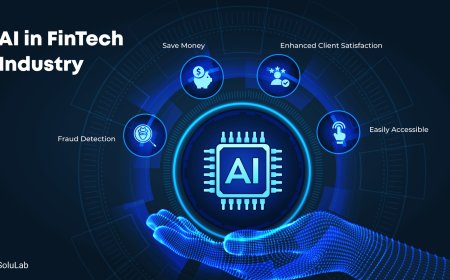
Finance: Automating loan approvals, fraud detection, and compliance monitoring.
Mining: Optimizing extraction of lithium, platinum, and rare earth metals critical for the global energy transition.
Energy: Coordinating renewable integration and improving efficiency in power generation.
Real Estate: Streamlining property transactions, managing smart buildings, and enabling crowdfunding for housing.
Healthcare: Bridging gaps in service delivery by coordinating patient records, diagnostics, and scheduling.
Startups across the continent are already experimenting. Zimbabwe’s Xarani FinTech has developed AI-powered Know Your Customer (KYC) systems that cut onboarding costs by 70%. Nigeria’s Access Forex is piloting autonomous money transfer platforms. South Africa’s NeedEnergy is leveraging IoT-enabled AI agents to optimize renewable energy production.
Lessons from Early Adoption
Despite these promising pilots, Africa’s AI journey has been marked by setbacks. A bbrief analysis found that many businesses stumbled not because of weak AI models, but due to poor data quality, fragmented regulation, and unreliable energy infrastructure.
In South Africa, rolling blackouts have crippled AI deployments that require continuous uptime. In Nigeria, inconsistent broadband access has slowed the rollout of AI-driven financial services. Across the continent, fragmented regulatory frameworks discourage cross-border innovation and investment.
Experts say the lessons are clear:
Data Sovereignty Matters
Africa must build robust, localized datasets to train agentic systems. Without African data, AI agents risk being biased toward foreign contexts, undermining their utility.
Infrastructure is Non-Negotiable
Reliable electricity and broadband are essential. Agentic AI cannot function in environments plagued by outages and connectivity gaps.
Policy Alignment is Critical
Harmonized regulations across African countries will attract investment and foster trust. Fragmented rules create uncertainty and discourage innovation.
Risks and Challenges
The rise of Agentic AI also brings risks that Africa must confront head-on:
Workforce Displacement: Autonomous systems could replace jobs in finance, logistics, and customer service. Governments must invest in reskilling programs to prepare workers for new roles.
Cybersecurity Threats: Agentic AI systems are vulnerable to hacking and misuse. Robust cybersecurity frameworks are essential to protect sensitive data.
Ethical Concerns: Questions about accountability and transparency loom large. Who is responsible when an AI agent makes a mistake?
Digital Divide: Without deliberate inclusion strategies, rural communities and SMEs risk being excluded from the agentic revolution.
“Human behavior, not AI, will determine who wins in 2026,” noted analysts at Change Logic, stressing that leadership and organizational culture remain Africa’s biggest hurdles.
Opportunities in Mining and Energy
Africa’s mineral wealth positions the continent uniquely in the agentic era. Zimbabwe holds the largest lithium reserves in Africa and ranks fifth globally, making it a key player in the global battery technology market. The country also boasts the world’s second-largest platinum deposits and vast reserves of gold, chrome, and rare earth metals.
Agentic AI could optimize mining operations, predict equipment failures, and coordinate renewable energy integration. With reliable energy, autonomous systems could help Zimbabwe and other resource-rich nations position themselves as global leaders in the energy transition.
Real Estate and PropTech Potential
Urbanization is accelerating across Africa, with cities like Lagos, Nairobi, and Johannesburg expanding rapidly. PropTech solutions powered by Agentic AI could streamline property transactions, manage smart buildings, and enable crowdfunding for housing projects.
Companies like WestProp Holdings in Zimbabwe are already exploring digital platforms for real estate investment trusts (REITs), while startups in Kenya are piloting blockchain-based property registries to reduce fraud and increase transparency.
Policy and Regulation: The Missing Link
Regulation remains Africa’s biggest challenge. While countries like Rwanda and Kenya have introduced AI strategies, most of the continent lacks comprehensive frameworks. Without clear rules, investors hesitate, and startups struggle to scale.
Experts urge African governments to prioritize:
Regulatory Sandboxes: Allowing startups to test agentic systems under controlled conditions.
Cross-Border Harmonization: Aligning policies to enable regional AI ecosystems.
Data Protection Laws: Ensuring privacy and security while fostering innovation.
The Human Factor
Ultimately, Africa’s success in the agentic era will depend on leadership and culture. Analysts stress that technology alone cannot drive transformation. Organizations must embrace change, invest in skills, and foster trust in autonomous systems.
Training programs in AI, data science, and digital literacy are essential to prepare Africa’s workforce. Universities and technical institutes must adapt curricula to meet the demands of the agentic age.
Conclusion
Agentic AI is reshaping industries worldwide, marking a decisive shift from passive assistance to autonomous action. For Africa, the technology represents both a challenge and an opportunity. With strategic investment in data, infrastructure, and regulation, the continent could leapfrog into the agentic era, positioning itself as a global hub for autonomous AI innovation.
But the window is narrow. As the rest of the world races ahead, Africa must act decisively to harness Agentic AI — or risk being left behind in the next great technological revolution.