
A Bold Leap Toward Stability: Reserve Bank Charts New Course for National Prosperity
 Francis
0
3
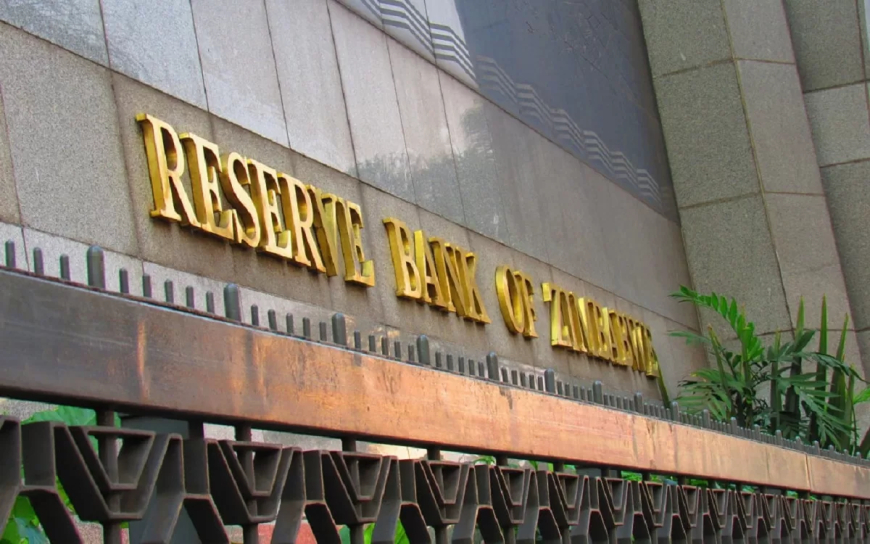
HARARE — In a move designed to sever ties with a legacy of financial turbulence, the Reserve Bank has officially set in motion a recalibrated monetary policy framework aimed at anchoring the nation’s economy. The new strategy, introduced in April 2024, seeks to permanently dismantle the "price, currency and exchange rate instability" that has long characterized the domestic market.
The Hook: Breaking the Cycle of Instability
For years, the domestic currency struggled to maintain its "store of value function," leading to an "entrenched economy-wide dollarisation". This historical instability gave rise to a "thriving parallel market" where speculative behavior and unfair pricing practices became the norm. However, the central bank’s latest imperatives signal a decisive shift toward restoring the local currency's credibility and reclaiming market confidence.
Voices from the Reserve Bank: Strategic Objectives
According to the Reserve Bank, the recalibrated framework is built upon four critical pillars:
- A solid and stable national currency: Establishing a unit that citizens can trust as a reliable medium of exchange.
- A stable and sustainable exchange rate: Moving away from the volatility that previously "eroded incomes and savings".
- Robust policy credibility: Restoring the "restoration of market confidence" through transparent and predictable management.
- Macroeconomic stability: Aligning monetary policy with the broader goals of Vision 2030 and the First National Development Strategy (NDS 1) to foster a sustainable economy.
Addressing the Parallel Market Pandemic
The bank’s analysis highlights that previous "parallel market premiums led to rampant speculative behaviours" and "high market indiscipline". By introducing these new policy imperatives, the Reserve Bank aims to neutralize the "high pass-through effect" where exchange rate fluctuations immediately triggered elevated inflation.
A Vision for 2030
The success of this framework is viewed as essential for the realization of Vision 2030, which aspires to transform the nation into a prosperous upper-middle-income society. The Reserve Bank emphasizes that only by implementing these "key monetary policy imperatives" can the country build the market confidence needed to "promote the use of the local currency" once more.
As the economy transitions under this new framework, the central bank remains steadfast in its commitment to "consistently implement" these measures, ensuring that the progress toward stability is both durable and inclusive.