President Cyril Ramaphosa Scheduled To Deliver A Keynote Speech At The 18th Edition Of The Africa Energy Indaba In Cape Town
President Cyril Ramaphosa Scheduled To Deliver A Keynote Speech At The 18th Edition Of The Africa Energy Indaba
 Francis
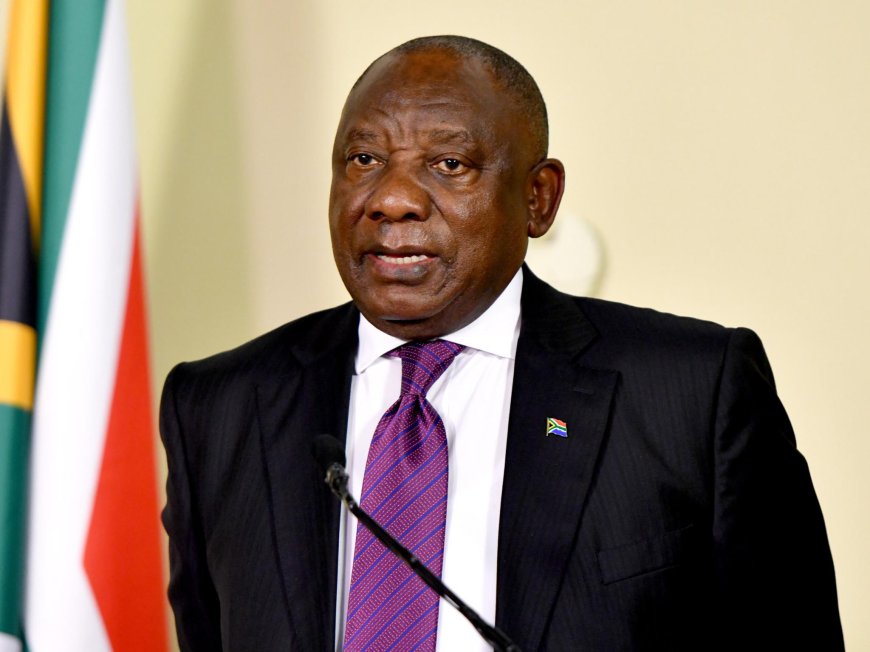
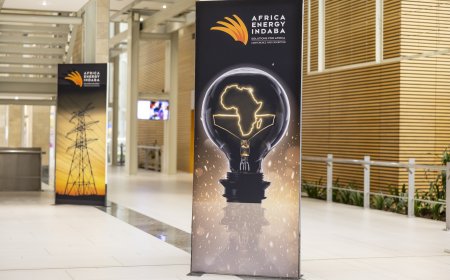
CAPE TOWN – South African President Cyril Ramaphosa is scheduled to deliver a high-stakes keynote address today at the 18th edition of the Africa Energy Indaba, as the continent’s premier energy forum convenes amidst a tightening global race for energy security and a transition to green power.
The three-day summit, marking nearly two decades as Africa’s primary platform for strategic dialogue and multi-billion-dollar deal-making, arrives at a critical juncture for the regional economy. As South Africa continues to navigate its own domestic energy crisis through the Energy Action Plan, Ramaphosa is expected to use the platform to position the continent not merely as a consumer of global technology, but as a competitive hub for sustainable energy solutions.
The Hub of Continental Strategy
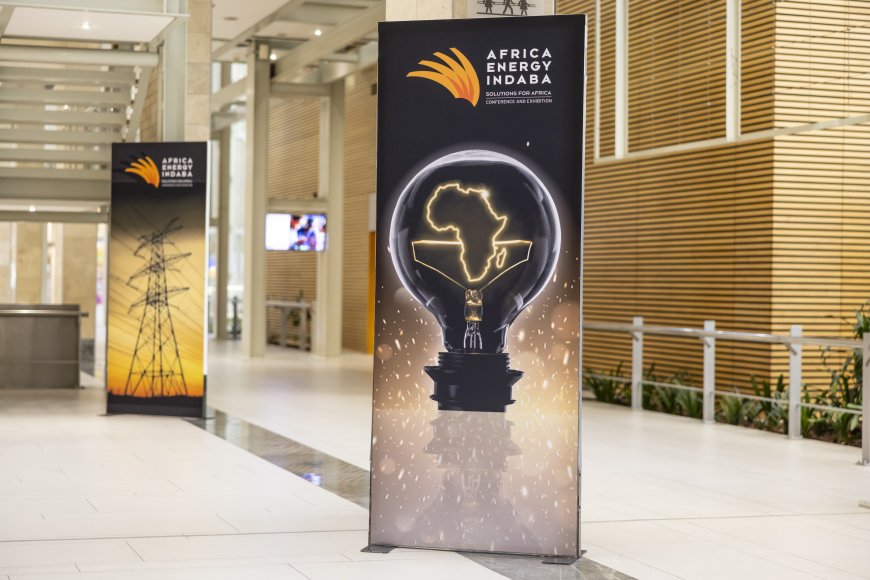
Since its inception, the Africa Energy Indaba has evolved into the continent’s most influential gathering for policymakers, industry titans, and innovators. This 18th edition focuses on "Unlocking Africa’s Energy Potential," a theme that highlights the dual challenge of addressing energy poverty for over 600 million Africans while simultaneously adhering to international decarbonisation targets.
The presence of the Presidency signals the strategic importance of the event. Experts anticipate that Ramaphosa will detail South Africa’s progress in diversifying its energy mix, particularly the role of the Renewable Energy Independent Power Producer Procurement Programme (REIPPPP) in attracting private capital to the national grid.
Investment and Infrastructure
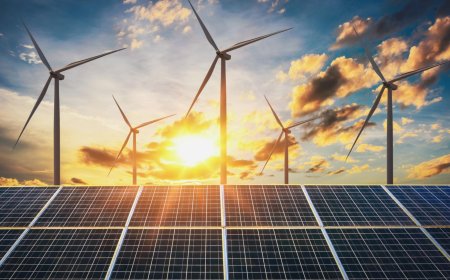
A primary focus of the 2026 Indaba is the mobilization of private investment. With global capital increasingly tied to Environmental, Social, and Governance (ESG) metrics, the summit serves as a vetting ground for projects ranging from green hydrogen corridors in Namibia and South Africa to massive solar arrays in the Sahel.
The Indaba’s role in "deal-making" is expected to be more pronounced this year as African nations seek to bridge the infrastructure funding gap. Industry leaders at the event are pushing for a "Just Energy Transition" that recognizes the continent's historical low-emission status while providing the baseload power necessary for industrialization.
Key Themes Under Scrutiny
Grid Modernization: Addressing the technical bottlenecks in national grids that prevent the seamless integration of renewable sources.
Natural Gas as a Transition Fuel: A contentious but vital debate on the role of Africa’s vast gas reserves in providing short-to-medium-term energy stability.
The Rise of Green Hydrogen: Exploring how Sub-Saharan Africa can become a leading exporter of zero-emission fuel to European and Asian markets.
Decentralized Energy: The proliferation of mini-grids and off-grid solar solutions as a tool to achieve universal energy access in rural communities.
Policy and Innovation
The Indaba brings together representatives from the African Union’s African Energy Commission (AFREC) and the International Energy Agency (IEA) to align continental policy. The dialogue is increasingly focused on the African Continental Free Trade Area (AfCFTA) and how it can facilitate a regional power market, allowing countries with energy surpluses to trade with those in deficit.
Innovation-focused sessions at the summit will showcase the latest in battery storage technology and AI-driven grid management, tools that are seen as essential for managing the intermittency of wind and solar power.
Global Context and Local Impact
As the 18th edition unfolds in Cape Town, the geopolitical landscape adds urgency to the proceedings. With global energy markets remains volatile, Africa’s role as a reliable partner for diversified energy supply is under the international spotlight. For South Africans, the outcomes of the Indaba are domestic; the successful implementation of the deals signed here could dictate the end of load-shedding and the stabilization of electricity tariffs.
President Ramaphosa’s address is expected to conclude with a call for unified African action, urging leaders to move beyond rhetoric and toward the "on-the-ground" implementation of the sustainable energy solutions discussed over the past two decades.