Monyglob Faces Margin Squeeze as 5% SADC Fintech Model Gains Regulatory Favor in Botswana
 Francis
GABORONE – Regional money transfer agent Monyglob is confronting mounting pressure to abandon its zero-fee promotional strategy as a coalition of SADC fintechs solidifies a 5% flat-rate pricing tier across key corridors, industry sources confirmed this week.
The Botswana-based bureau de change and money transfer aggregator, which operates primarily inside Choppies retail outlets in Nata and Gaborone, has historically relied on loss-leading promotions to attract customers opening local accounts.
For a typical R1,000 remittance, customers pay R50 under this model—a transparent flat fee that Monyglob’s traditional agent model struggles to match without subsidy, according to banking sources familiar with the matter.
Monyglob serves as a one-stop-shop aggregator, offering walk-in customers access to international brands including Western Union, MoneyGram, and Hello Paisa. However, those brands typically carry percentage-based fees that exceed 5 percent on smaller transactions.
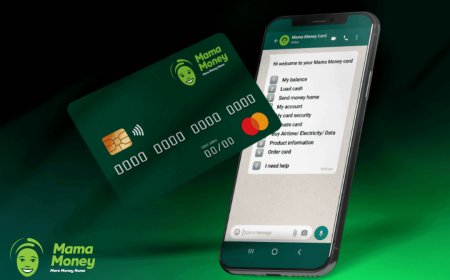
The competitive threat sharpened last month when Mama Money announced deepened integration with Steward Bank and EcoCash, enabling instant delivery into Zimbabwean mobile wallets without passing through a physical agent counter.
Mukuru has simultaneously expanded its USSD service (*646# in Zimbabwe), allowing cash-to-cash and cash-to-wallet transfers that bypass brick-and-mortar collection points entirely—a direct challenge to Monyglob’s retail footprint inside Choppies.
Access Forex now claims over 250 collection points in Zimbabwe alone, charging 4 percent or less for SADC transfers, undercutting both the 5 percent tier and Monyglob’s standard over-the-counter rates.
Behind the scenes, the SADC Real-Time Gross Settlement system, known as SIRESS, has accelerated this shift. The bank-to-bank platform, which settles in South African rand, now counts 83 participating banks, including 14 from Zimbabwe and 11 from South Africa.
A senior banking official in Gaborone, who spoke on condition of anonymity due to commercial sensitivities, said Monyglob’s agent model “was built for a world where digital settlement didn’t exist. SIRESS has removed that excuse.”
Monyglob has not publicly disclosed transaction volumes, but multiple currency exchange operators in Gaborone’s central business district told this reporter that foot traffic to aggregator counters has declined approximately 20 percent year-on-year.
The company’s zero-fee promotion, once a powerful customer acquisition tool, now appears unsustainable. Regulatory filings show that Botswana’s Non-Bank Financial Institutions Regulatory Authority has begun scrutinizing promotional pricing models that may cross-subsidize transfers from bureau de change profits.
When contacted for comment, a Monyglob representative declined to discuss pricing strategy but confirmed the company continues to offer Western Union and MoneyGram services at all Choppies locations. No timeline was given for any fee restructuring.
Analysts expect Monyglob to pivot toward serving unbanked populations in rural districts like Nata, where smartphone penetration remains low and USSD-based fintechs have yet to achieve critical mass. Without that pivot, the 5 percent tier may become an unassailable ceiling.