African Energy Ministers Flock to Cape Town: Indaba 2026 Set to Be Policy Powerhouse
 Francis
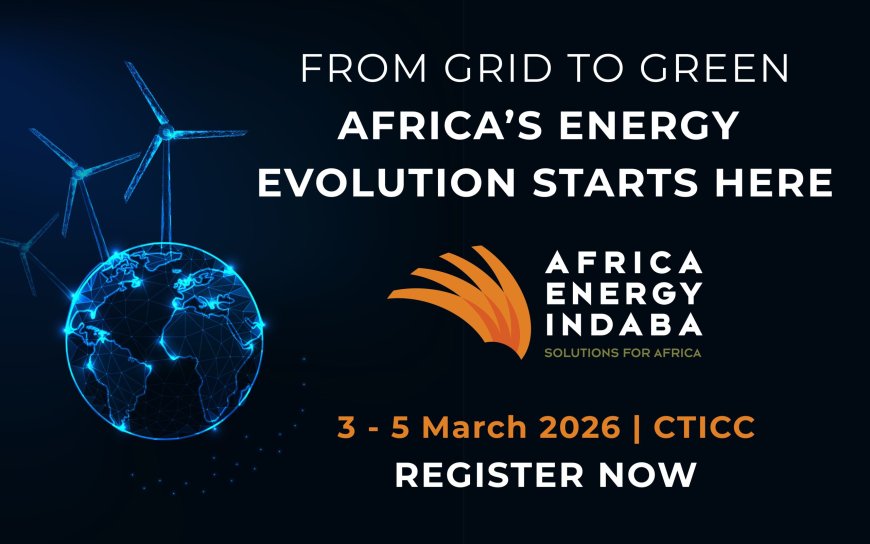
The upcoming Africa Energy Indaba, scheduled for March 3-5, 2026, in Cape Town, is shaping up to be the continent's most critical energy policy gathering, boasting an impressive and growing roster of high-level government representation.
The event, which is widely regarded as Africa's most influential platform for shaping energy policy, investment, and development partnerships, has confirmed the attendance of several key African Energy Ministers and a top official from the African Union Commission.
This early and strong show of governmental support underscores the urgency and collective focus on addressing the continent's complex energy challenges and accelerating the energy transition.
Deepening Policy Impact
The confirmed delegation includes:
Senegal: H.E Birame Soulèye Diop, Minister of Energy, Petroleum and Mines
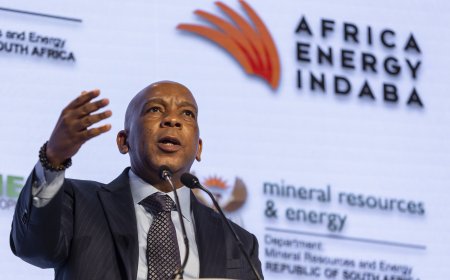
South Africa: H.E. Dr Kgosientsho Ramokgopa, Minister of Electricity and Energy
Uganda: Hon. Dr. Ruth Nankabirwa Ssentamu, Minister of Energy and Mineral Development
Somaliland: H.E. Eng. Ahmed Jama Barre, Minister of Energy and Minerals
Nigeria: H.E. Adebayo Adelabu, Minister of Power
Kenya: H.E. Alex Kamay Wachira, Permanent Secretary, Ministry for Energy
Further cementing the Indaba's pan-African scope is the participation of H.E. Ms. Lerato Mataboge, Commissioner for Infrastructure and Energy at the African Union Commission. Event organizers indicated that additional ministerial confirmations are expected in the coming weeks.
Catalyst for Investment and Partnerships
Liz Hart, Managing Director of the Africa Energy Indaba, highlighted that the exceptional government turnout reinforces the event's position as a crucial high-impact gathering.
"This exceptional level of government representation reinforces the Africa Energy Indaba’s position as the continent’s most influential platform for shaping energy policy, investment and development partnerships," Hart stated in a recent update to industry colleagues.
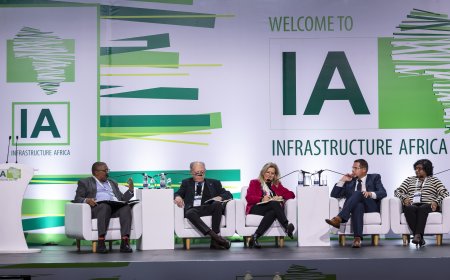
The Indaba is poised to facilitate critical discussions between these decision-makers, global investors, and project developers at a time when African nations are navigating a shift towards diversified energy mixes, including renewables, while also leveraging domestic gas and oil resources for economic stability and power generation.