AfCFTA as Africa’s Survival Strategy: SADC’s Call for Deeper Integration
 Francis
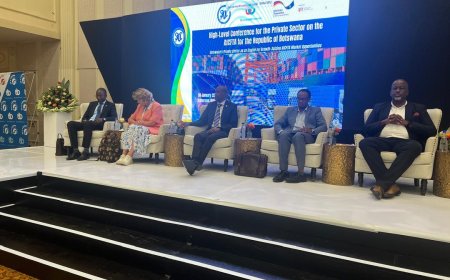
The SADC Executive Secretary, H.E. Elias M. Magosi, has delivered a powerful message to Africa’s private sector: the African Continental Free Trade Area (AfCFTA), arguing that the AfCFTA is not just a trade agreement—but a survival instrument.
“In these volatile times, the AfCFTA is not just a trade arrangement, it is our collective resilience strategy and a survival instrument that allows SADC economies, and those of the entire continent, to adapt, diversify and thrive.”
Global Shocks Demand African Solutions
Magosi reminded delegates that shifting geopolitical dynamics—from U.S. tariff regimes to the prolonged conflict in Ukraine—have disrupted predictable access to markets, reshaped commodity flows, and increased freight costs. These shocks ripple through fragile economies, threatening jobs and industries.
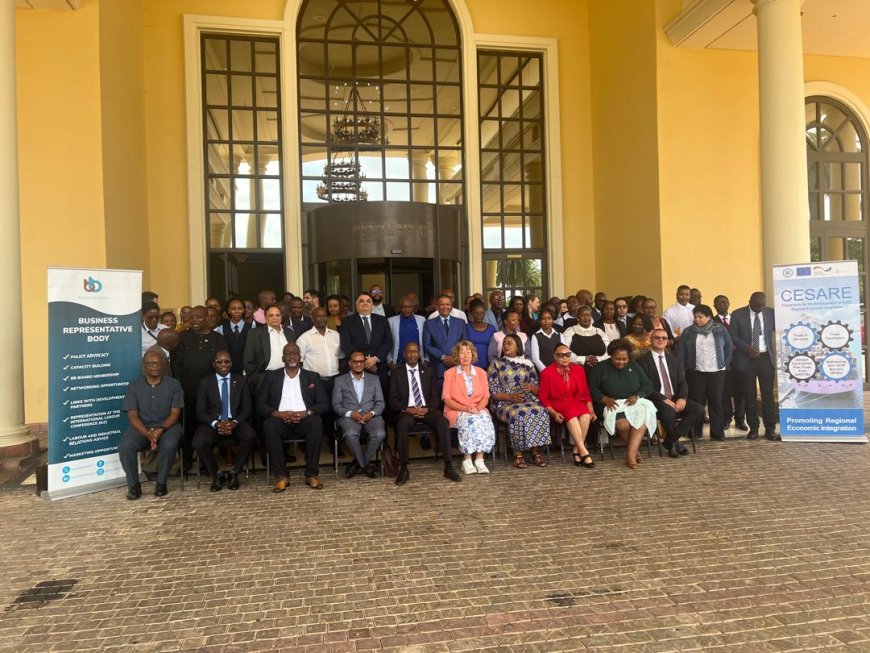
The lesson? Africa must trade more with itself. “No one from outside will do this for us as a continent,” Magosi stressed.
RISDP 2020–2030: A Framework for Resilience
The SADC Regional Indicative Strategic Development Plan (RISDP) emphasizes industrialisation, market integration, infrastructure, and resilient value chains. AfCFTA, with 54 signatories and 49 ratifications, provides predictable access to a continental market of 1.3 billion people.
This rules-based framework offers stability, enabling SADC to build industrial capacity, expand intra-African trade, and cushion economies against global shocks.
Private Sector: The Missing Link
Magosi underscored that integration cannot remain government-driven. “Businesses must understand the market access opportunities, the tariff preferences, the rules of origin, and the regulatory reforms unfolding across the continent.”
Private sector engagement transforms AfCFTA from policy into economic reality. Without it, integration risks becoming “a pipe dream laced with nice political statements rather than a genuine driver of economic transformation.”
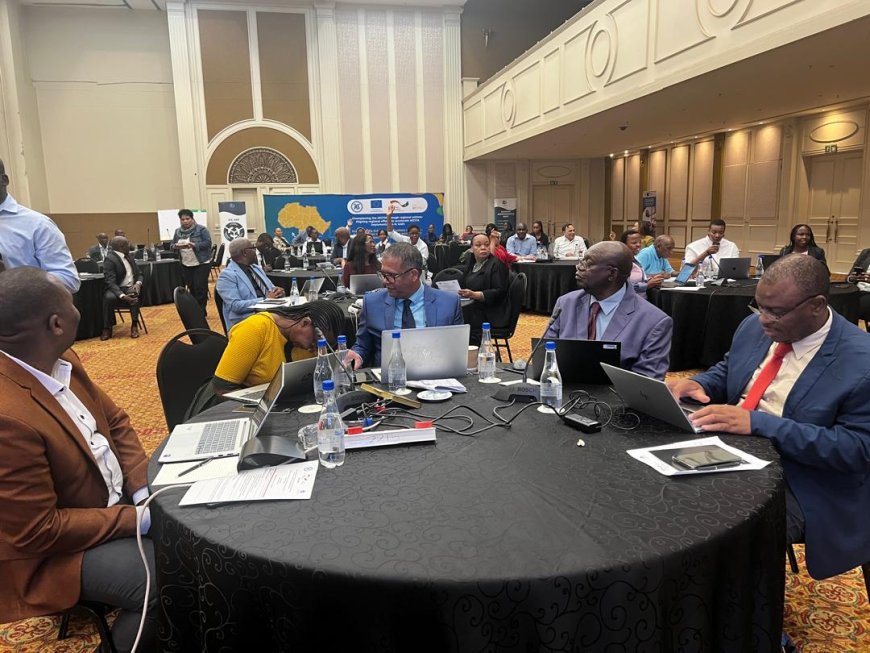
Building Platforms for Dialogue
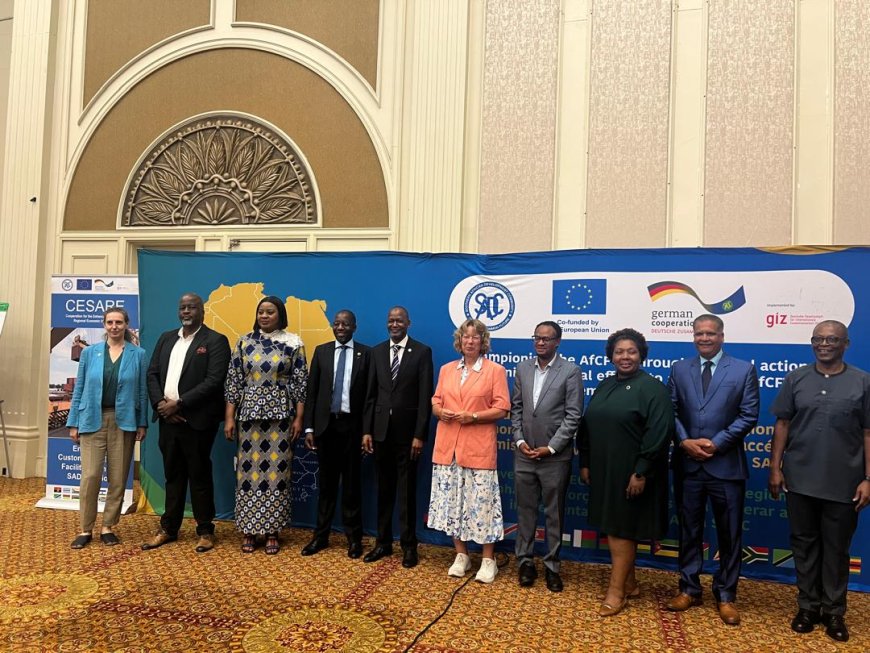
The SADC Secretariat, supported by German Development Cooperation (GIZ), has facilitated implementation through capacity development, awareness workshops, and technical assistance. A Coordination Plan and Consultative Forum on AfCFTA Matters now provide platforms for Member States to share experiences and track progress.
Magosi challenged businesses to seize opportunities: “Governments have entered into agreements to assist the private sector do business. But governments do not do business, the private sector does.”
The AfCFTA is Africa’s resilience strategy. With private sector leadership, it can become the engine of growth that shields economies from global volatility and builds a sustainable future.