
New weapons and technologies debut in the USA-Israel war against Iran
 Francis
The conflict between the American-Israeli coalition and Iran has reached the end of its first month, marking a significant evolution in modern military history. While the 2022 Russia-Ukraine war was the first major conflict defined by unmanned systems, the 2026 Iran war has solidified the era of the "Second Drone War." This struggle is characterized by a massive proliferation of drones paired with high-volume missile exchanges.
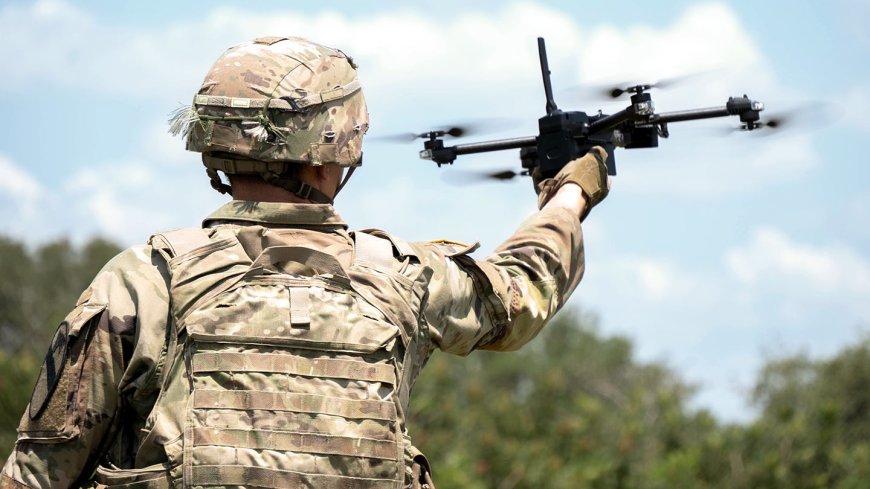
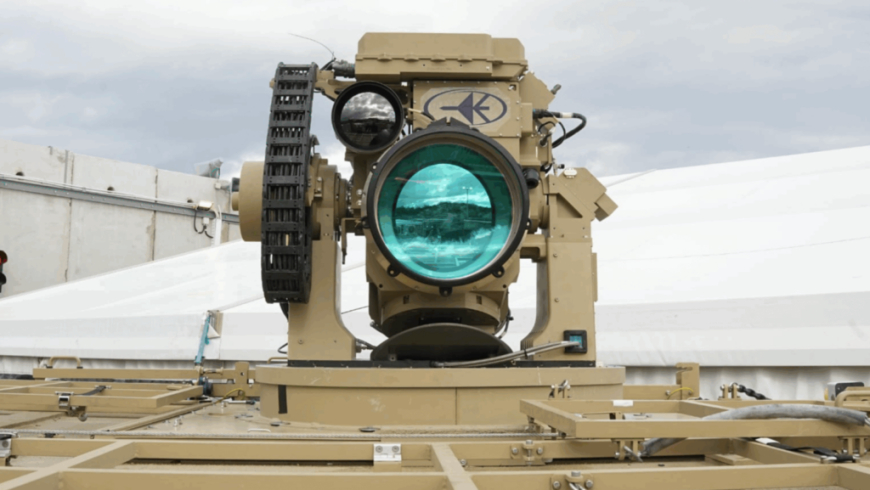
On the coalition side, directed high-energy weapons have moved from experimental prototypes to essential battlefield tools. The U.S. military’s HELIOS and ODIN laser systems, alongside Israel’s Iron Beam, have successfully intercepted numerous Iranian attack drones. These systems represent a shift toward cost-effective, infinite-magazine defenses that will likely become standard in future global conflicts.
The coalition has also relied heavily on a sophisticated, multi-layered air defense network to protect against heavy aerial bombardment. This shield incorporates the Iron Dome, Patriot missiles, THAAD, and the sea-based Aegis Combat System. Together, these platforms have intercepted the majority of incoming ballistic threats, though the high cost of interceptor projectiles remains a logistical challenge.
Offensive technology has also seen a major debut with the deployment of the American LUCAS drone. This marks the first time the U.S. military has incorporated this specific one-way attack drone into active combat operations. It provides a new layer of precision and expendable strike capability that was previously missing from the American tactical repertoire.
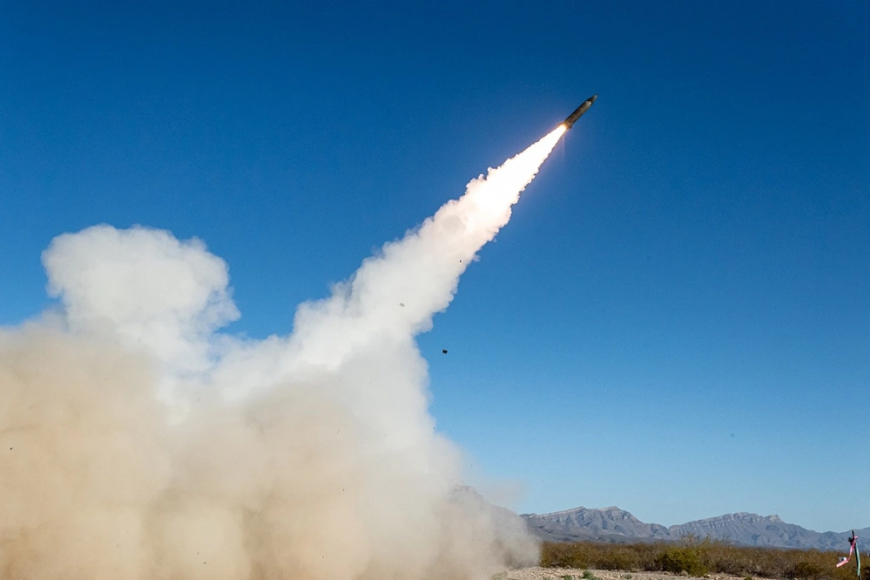
Further enhancing long-range capabilities, the U.S. has introduced the Precision Strike Missile (PrSM) fired from HIMARS platforms.
Development for the PrSM began in the mid-2010s, but the current conflict serves as its official combat debut. These missiles allow for high-accuracy strikes at distances that were previously difficult to reach with standard mobile artillery.
In the realm of intelligence, Israel has leveraged a powerful combination of offensive cyber operations and artificial intelligence. By hacking into Iranian traffic cameras and public infrastructure, they have used AI to synthesize massive amounts of data. This real-time processing has allowed the coalition to pinpoint and target high-value Iranian leadership with unprecedented speed.
Iran has responded with its own innovative "drone-then-missile" salvos designed to saturate and overwhelm enemy defenses. This tactic involves launching waves of low-cost drones to exhaust interceptor stocks and distract radar systems. Once the defensive perimeter is saturated, Iran follows up with heavy cruise and ballistic missile strikes to hit high-priority targets.
The Iranian strategy has also focused heavily on asymmetrical warfare by targeting regional allies and global energy infrastructure.
By attacking commercial oil tankers in the Persian Gulf and threatening the Strait of Hormuz, Iran aims to cause maximum economic disruption. This approach is designed to create international pressure on the U.S. and Israel to halt their military operations.
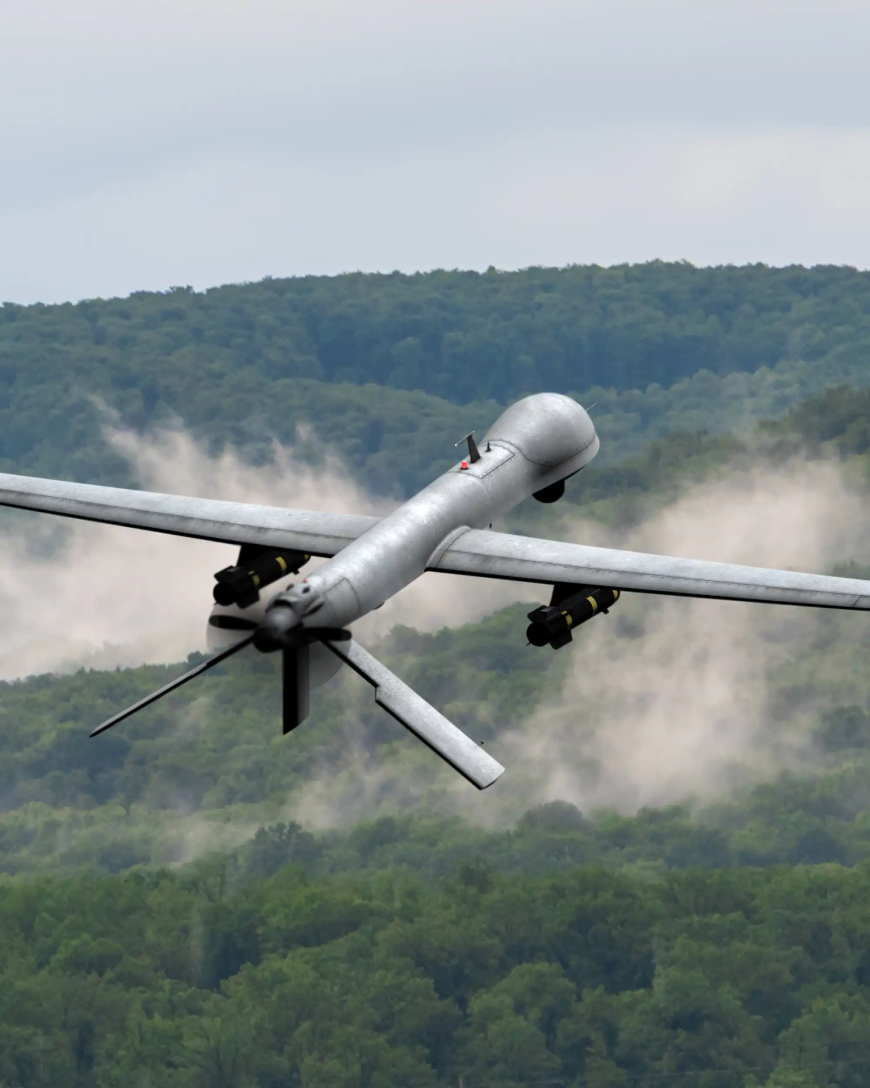
Ultimately, this month of fighting has served as a grim showcase for the future of warfare in the 21st century. The integration of lasers, AI-driven targeting, and drone saturation tactics has fundamentally changed the tactical landscape. As the conflict continues, these technologies will undoubtedly set the standard for military engagements for decades to come.