
In the automotive industry, we often talk about performance in terms of horsepower, torque, and cornering precision. But as macroeconomic landscapes become more volatile, a different kind of performance takes centre stage: fiscal resilience.
When inflation fluctuates and interest rates squeeze household budgets, consumers naturally look for ways to de-risk their lives. For a vehicle buyer, this economic anxiety completely changes the showroom dynamic. The purchase conversation is no longer just about the monthly payment, it is about protecting a major capital investment against the unexpected.
As Finance and Insurance (F&I) professionals, our role must evolve from transaction facilitators to strategic risk advisors. This is exactly why specialised insurance products and asset protection add-ons matter more right now than in times of predictable economic growth.
During economic booms, products like Guaranteed Asset Protection (GAP), scratch-and-dent cover, and extended mechanical breakdown wraps are frequently perceived as "nice-to-haves" - premium add-ons for peace of mind.
When the economic climate turns uncertain, however, these products transform into vital financial shields. Consider the realities a modern consumer faces:
· Rising repair costs: Supply chain fluctuations and the sheer complexity of modern vehicle technology mean that a single out-of-warranty mechanical failure can severely disrupt a household’s monthly cash flow.
· Negative equity vulnerability: With vehicle depreciation cycles and longer-term finance contracts, a total-loss accident early in the ownership cycle can leave a buyer owing thousands on a car they can no longer drive.
When we offer robust F&I products, we are not just selling a policy; we are structuring a predictable cost-of-ownership model. A vehicle service contract translates a volatile, unpredictable future expense into a fixed, manageable element of a consumer's monthly budget.
For dealership groups and luxury brands alike, economic uncertainty demands a radical shift toward transparency. The "hard sell" is dead. Today’s consumer is hyper-informed, highly protective of their capital, and deeply skeptical of opaque pricing.
To build lasting customer lifetime value, our approach to F&I must be rooted in education. We win when the customer fully understands the utility of the protection they are selecting.
· When a buyer worries about extra monthly costs, we must demonstrate the real-world cost of an out-of-pocket technological or mechanical repair versus a subsidised monthly warranty. This reframes the conversation around budget predictability, protecting the client's emergency savings from sudden depletion.
· When a buyer is concerned about rapid depreciation and total loss, introducing tailored GAP insurance aligned precisely with their loan amortisation schedule provides true asset protection. This safeguards their equity and ensures they can return to the market smoothly if the worst happens.
· When a buyer plans to trade the vehicle in early, positioning transferable service histories and cosmetic maintenance plans shifts the focus to residual value maximisation. It ensures the asset commands top-tier value when they are ready to upgrade.
Navigating these complex consumer psychologies requires a modernised playbook. The scripts of ten years ago simply do not hold up when dealing with today's macroeconomic pressures and digitally-savvy buyers.
To bridge this gap and establish a benchmark for modern automotive finance, I have spent the past year compiling the strategies, regulatory navigation tools, and consumer-centric methodologies that define successful risk management in the modern dealership environment.
I am incredibly excited to announce that The F&I Handbook will officially launch at the end of this year.
This handbook is designed as a definitive, practical guide for industry professionals looking to elevate their financial services, master the art of consultative selling, and build resilient portfolios that thrive regardless of market volatility.
In uncertain economic times, our clients do not just need a vehicle. They need a partner who ensures that their mobility remains an asset, never a liability. Let's redefine what it means to protect the drive.
Share this Article
Francis
FintechReview Africa Contributor
More from Francis

Partnering for Resilience and Sustainable Development in Zimbabwe: Climate Resilience, Inclusion, Strategic Partnerships, Development Financing
6 days ago
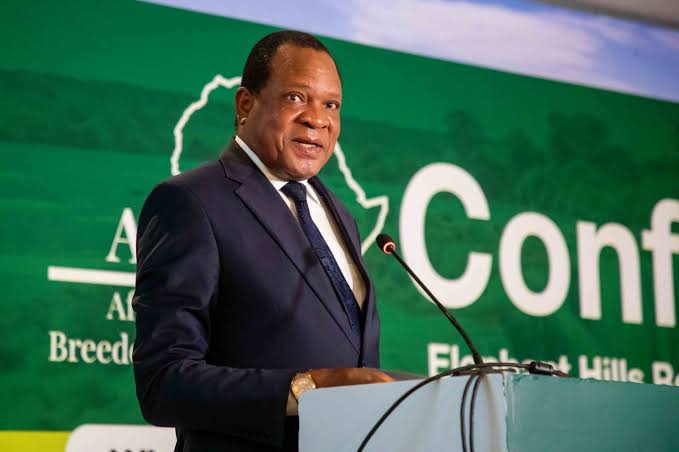
Government Accelerates Groundwater Push as Zimbabwe Water Indaba Opens in Bulawayo
1 week ago

South African Procurement Law – A Continued State of Flux
1 week ago
Related Articles
Emerging Technologies driving the Auto Industry
1 year ago
Luna and Astra: Scalable Intelligent Driving System Solutions: Debut of the Intelligent Driving Systems Luna and Astra.
1 year ago
inDrive launches new pickup features in Johannesburg and Cape Town to help passengers and drivers find each other faster
1 month ago
Comments (0)
Sign in to join the conversation and leave a comment.
No comments yet. Be the first to share your thoughts!