
Zimbabwe’s decision to gazette Statutory Instrument 99 of 2026 gives crypto businesses 12 months of regulatory limbo an end date. But the real story for regtech and fintech founders isn’t crypto. It’s how a market operates when regulators move fast, banking rails stay closed, and compliance becomes the price of survival.
*Lesson 1: Compliance comes first, banking comes later*
S.I. 99 forces exchanges, OTC desks, and custodial wallets to register with the Financial Intelligence Unit for US$500/year. Registration is now a legal requirement. Yet the 2018 RBZ circular that debanked Golix is still on the books.
That gap is familiar to fintechs in other emerging markets. Regulators license the activity before they open the banking rails. For regtech firms, it means demand for AML tooling, KYC verification, and transaction monitoring spikes before revenue stabilizes. The first companies to sell compliance infrastructure to unbanked crypto firms will capture the market.
*Lesson 2: “Registered” doesn’t mean “trusted”*
The FIU has been clear: registration confirms AML paperwork was filed. It doesn’t insure customer funds or guarantee solvency.
For fintechs building lending, payments, or investment products, this is a reminder that licensing alone won’t close the trust deficit. Users in Zimbabwe already route “significant volumes” through informal channels, according to traders. Products that add transparency, data lineage, and user-controlled consent will outperform those that rely on the regulator’s stamp.
*Lesson 3: FATF pressure creates predictable regulatory cycles*
Zimbabwe was grey-listed until 2022. The return of VASP regulation aligns with FATF’s push to bring virtual asset service providers under AML/CFT rules globally.
Regtech builders can use this pattern. Countries facing FATF review typically roll out VASP licensing, travel rule enforcement, and suspicious transaction reporting within 6-18 months. If you’re building compliance automation, track FATF mutual evaluations. They’re a leading indicator of procurement.
*Lesson 4: Informal markets don’t vanish when rules arrive*
Crypto never stopped in Zimbabwe. It moved underground. Even with S.I. 99 in place, registered firms can’t compete on speed or price if they lack bank accounts and must settle in cash or stablecoins.
Fintechs targeting remittances, cross-border payments, and MSME lending face the same dynamic. Regulation formalizes part of the market, but user behavior only shifts when formal channels are cheaper, faster, and more reliable than informal ones. Product design matters more than legal status.
*Lesson 5: Compliance guidelines lag legislation*
S.I. 99 creates the offence. The FIU is expected to publish detailed rules on KYC, travel rule, and reporting in the coming months.
That lag creates an opportunity for regtech firms offering modular compliance toolkits. The winners will be those who can ship updates fast as the FIU clarifies requirements. For fintechs, it means building compliance as a configurable layer, not hard-coded logic.
*What this means for Zimbabwe’s fintech stack*
If the RBZ eventually allows registered VASPs to bank, you’ll see a fast build-out of on/off ramps, stablecoin settlement, and credit scoring using on-chain data. If banks stay closed, expect growth in cash-to-crypto agents, peer-to-peer platforms, and regtech solutions that help businesses operate without banking rails.
Either way, the 60+ AI use cases outlined in the Zimbabwe State of AI Use Cases Report 2026 will need the same infrastructure: identity verification, fraud detection, and audit trails. Crypto regulation is stress-testing those systems first.
*Bottom line*
S.I. 99 is a case study in regulation arriving before infrastructure. For regtech and fintech founders across Africa, the lesson is to build for compliance ambiguity, design for low-trust environments, and treat FATF timelines as product roadmaps. The firms that get that right won’t just serve crypto. They’ll own the compliance layer for everything else that follows.
Share this Article
Francis
FintechReview Africa Contributor
More from Francis

Government targets 496,000 hectares under irrigation by 2030, backs local piping capacity
3 days ago

Viago Brand Ambassador Represents Zimbabwe at Global Training in South Africa
3 days ago
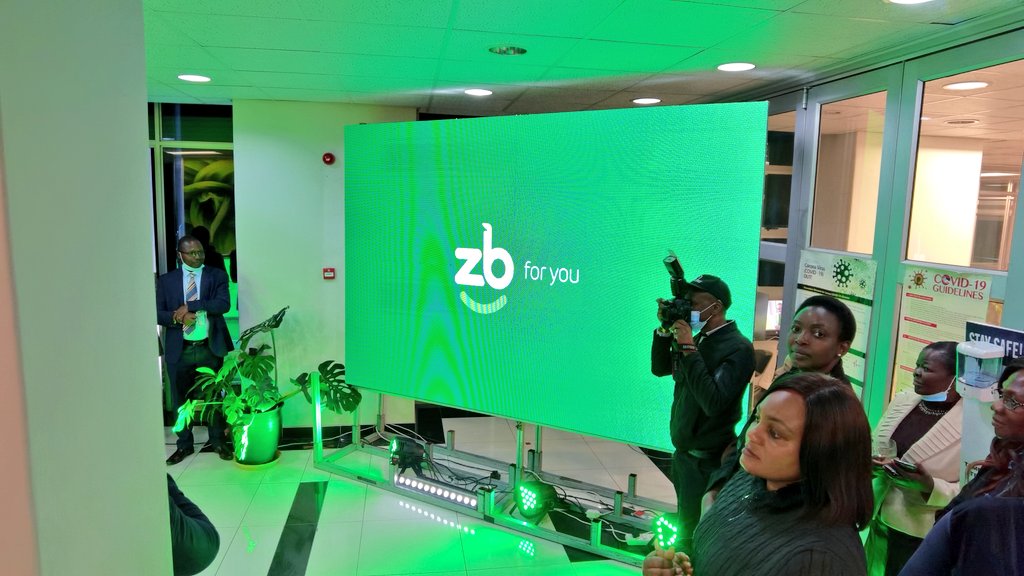
ZB BANK UNVEILS 'SMILE MALL' — A LIFESTYLE MARKETPLACE FOR EVERYDAY ZIMBABWE — AT INAUGURAL MSMES AND COOPERATIVES INDABA
6 days ago
Related Articles
Weownomy Adopts Bitcoin Cash ABC, newly Rebranded as eCash Coin
1 year ago
Bitcoin’s rally followed by a minimal crypto correction in the market
1 year ago
Zimbabwe Introduces First Crypto Business Regulations Under S.I. 99 of 2026
1 month ago
Banktech vs Crypto: The Seigniorage Conflict Behind Zimbabwe’s S.I. 99*
1 month ago
Comments (0)
Sign in to join the conversation and leave a comment.
No comments yet. Be the first to share your thoughts!