
Zimbabwe’s crypto rules aren’t just about AML compliance. They’re about who controls money issuance and the revenue that comes with it.
*Seigniorage is the real fault line*
Seigniorage is the profit a central bank makes from issuing currency. When you pay with ZiG, USD, or mobile money, the system routes through banks and settlement rails that the RBZ oversees. Every transaction generates data, fees, and monetary policy leverage.
Crypto and stablecoins bypass that. If Zimbabweans move “significant volumes” monthly through informal USDT/USDC channels, that’s value flowing outside RBZ-controlled rails. The central bank loses visibility, fees, and part of its ability to manage liquidity.
That’s why S.I. 99 regulates the on/off ramps, not the coins themselves. The state doesn’t need to ban crypto to protect seigniorage. It just needs to control the points where crypto touches the formal system.
*Banktech gets caught in the middle*
Banks in Zimbabwe have stayed out since the 2018 circular debanked Golix. Their risk calculation is simple: serve crypto firms, risk RBZ censure and correspondent banking issues. Don’t serve them, lose fee income and deposits to fintechs and informal desks.
S.I. 99 doesn’t change that math yet. A registered VASP still can’t bank until the RBZ issues new guidance. So banktech firms are left with two options:
1. Build rails for registered VASPs and wait for policy to shift, or
2. Compete with crypto by making mobile money and USD rails cheaper and faster.
Right now, option 2 is winning. But it only works if banktech can match the speed and cost of stablecoin P2P.
*Why the conflict matters for regtech*
Regtech firms selling to both sides end up mediating this conflict.
For banks, regtech means fraud monitoring, sanctions screening, and data to prove to the RBZ that crypto exposure is manageable.
For crypto firms, regtech means KYC, travel rule compliance, and audit trails to prove they’re not a threat to the financial system.
The product is the same. The buyer’s incentive is opposite. Banks want to keep crypto out. Crypto firms want to get in.
*What happens next depends on who controls settlement*
If the RBZ opens banking for registered VASPs, banktech wins back settlement and seigniorage flows back through formal rails. Crypto becomes a settlement layer, not a parallel system.
If banking stays closed, crypto firms double down on stablecoin settlement and cash agents. Banktech loses transaction volume and data. The informal market stays dominant, and the RBZ loses monetary policy effectiveness.
Zimbabwe isn’t unique here. Nigeria, Kenya, and Egypt have all had the same standoff. The countries that resolve it fastest are the ones where banktech and crypto firms are forced to build shared compliance infrastructure instead of fighting over rails.
*Implication for founders*
Stop picking sides. The opportunity is in the compliance layer that works whether settlement runs through banks or stablecoins. Identity verification, fraud detection, transaction monitoring, and audit trails are needed in both worlds.
S.I. 99 just made that layer mandatory. Whoever owns it owns the relationship with both banktech and crypto firms. And that’s where the real seigniorage of data and fees moves to.
Share this Article
Francis
FintechReview Africa Contributor
More from Francis

Government targets 496,000 hectares under irrigation by 2030, backs local piping capacity
3 days ago

Viago Brand Ambassador Represents Zimbabwe at Global Training in South Africa
3 days ago
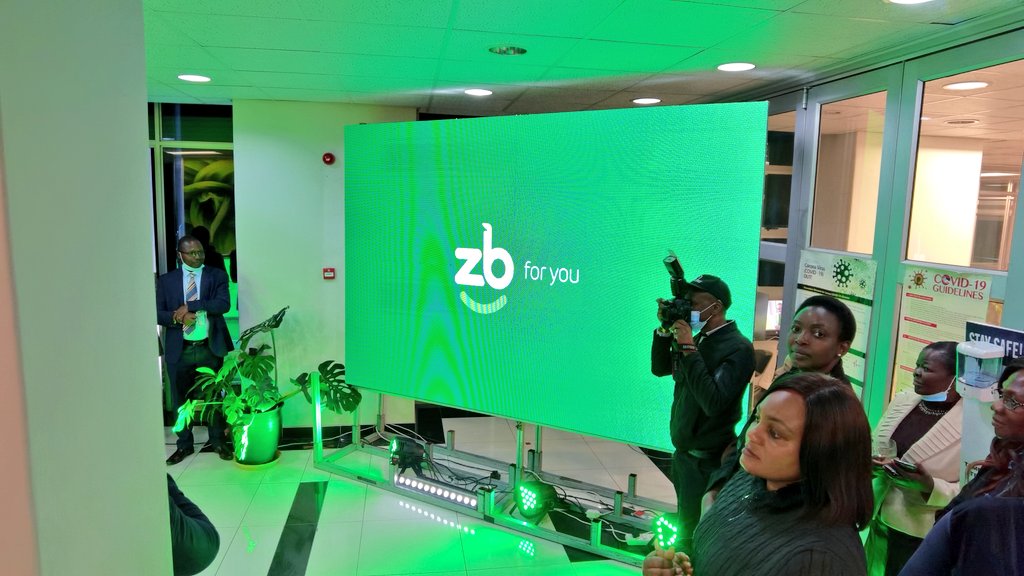
ZB BANK UNVEILS 'SMILE MALL' — A LIFESTYLE MARKETPLACE FOR EVERYDAY ZIMBABWE — AT INAUGURAL MSMES AND COOPERATIVES INDABA
6 days ago
Related Articles
Weownomy Adopts Bitcoin Cash ABC, newly Rebranded as eCash Coin
1 year ago
Bitcoin’s rally followed by a minimal crypto correction in the market
1 year ago
Zimbabwe Introduces First Crypto Business Regulations Under S.I. 99 of 2026
1 month ago
Zimbabwe’s Crypto Regulation Offers Regtech and Fintech a Blueprint for Compliance Under Pressure
1 month ago
Comments (0)
Sign in to join the conversation and leave a comment.
No comments yet. Be the first to share your thoughts!