
HARARE, Zimbabwe — Senior Treasury officials, Central Bank governors, and Senior Health authorities from across the Southern African Development Community (SADC) convened in Harare today to draft an urgent regional response to mounting economic, fiscal, and climate-related crises. The high-level technical meeting aims to stabilize volatile macroeconomic indicators while safeguarding public health infrastructure across the 16-member state bloc.
The regional summit opened under intense pressure as member states navigate a highly volatile global economic environment. Delegates are tasked with formulating immediate technical interventions to counter soaring inflation, volatile commodity prices, and tightening global financial conditions. These compounding external factors have severely eroded the purchasing power of citizens and destabilized local currencies across the sub-continent.
Addressing the delegates on behalf of the host nation, Mr. J. Mverecha, Chief Director in Zimbabwe’s Ministry of Finance, Economic Development and Investment Promotion, underscored the critical nature of the consultations. Mverecha stated that the technical team carries the immense responsibility of providing the foundational architecture for upcoming ministerial decisions.
He emphasized that the practicality of their advice will directly shape the region’s long-term financial trajectory.A primary focus of the closed-door deliberations is the rapid depletion of fiscal space across SADC member states. Rising public debt levels have increasingly crowded out essential public investments, leaving governments with minimal financial buffers to absorb fresh external shocks.
Officials are reviewing debt-sustainability frameworks to prevent potential defaults and restore fiscal discipline without triggering domestic social unrest.The unique inclusion of senior health officials in the financial summit underscores the growing recognition of health infrastructure as a core macroeconomic pillar. Participants are analyzing the long-term fiscal scars left by recent pandemics and ongoing regional health challenges.
The joint committee is working to design sustainable health-financing models that do not break already strained national budgets.
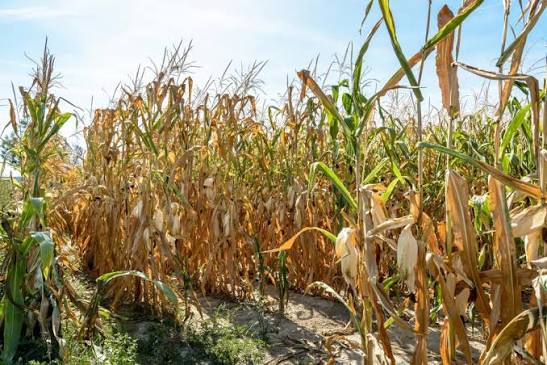
Compounding the financial distress is the devastating impact of climate-related shocks, which have severely disrupted agriculture and energy production across Southern Africa. Intense droughts and erratic weather patterns have forced governments to divert scarce capital from developmental projects toward emergency food imports and disaster relief.
The technical committee is evaluating regional risk-pooling mechanisms to better fund climate resilience initiatives moving forward.
Structurally, this week-long convergence serves as the vital clearing and advisory vehicle for the SADC Committee of Ministers of Finance and Investment. It also directly feeds into the SADC Peer Review Panel, an oversight body designed to enforce macroeconomic convergence targets among member states. The technical rigor applied during these sessions determines the viability of policies later ratified at the head-of-state level.
Regional integration remains the core strategic objective of the Harare meetings, as officials push for deeper harmonization of monetary policies. Deeper integration is viewed as a shield against geopolitical tensions and global supply chain disruptions that disproportionately affect developing economies. By aligning customs, trade, and financial regulations, SADC aims to foster a more predictable investment climate.
The SADC Secretariat, led by Executive Secretary Mr. E. Magosi and Deputy Executive Secretary for Regional Integration Mrs. A. M. N’Tumba, is providing oversight to ensure alignment with the regional industrialization strategy.
The secretariat stressed that regional solidarity and swift policy implementation are non-negotiable if the bloc is to survive the current global financial uncertainty.
The technical deliberations will conclude later this week with a comprehensive outcomes document detailing specific policy recommendations. This framework will be delivered directly to the SADC Ministers of Finance and Investment for immediate political authorization and domestic implementation.
Share this Article
Francis
FintechReview Africa Contributor
More from Francis
Partnering for Resilience and Sustainable Development in Zimbabwe: Climate Resilience, Inclusion, Strategic Partnerships, Development Financing
6 days ago
Government Accelerates Groundwater Push as Zimbabwe Water Indaba Opens in Bulawayo
1 week ago

South African Procurement Law – A Continued State of Flux
1 week ago
Related Articles
Zimbabwean Banks Embrace Technology to Drive Financial Inclusion and Innovation
1 year ago
The Rise Of AI In The Banking And Finance Industry: Use Cases And Applications
1 year ago
Generative AI in Banking and Finance: A Complete Guide
1 year ago
The Future of Banking: A Tale of Transformation Through BankTech
1 year ago
Comments (0)
Sign in to join the conversation and leave a comment.
No comments yet. Be the first to share your thoughts!