
VICTORIA FALLS — In the competitive world of international tourism, visibility is everything, and Zimbabwe is ensuring it gets noticed by bringing decision-makers directly to its doorstep. As the countdown to the 19th edition of the Sanganai/Hlanganani–Dzimbahwe Tourism Expo enters its final week, eighteen tourism agencies from Germany, France, Portugal and Spain are midway through a twelve-day familiarisation tour of Destination Zimbabwe.
The route is deliberate: Harare, Great Zimbabwe, Gonarezhou, Matobo, Hwange, Victoria Falls. It is not a highlights reel but an argument made in geography, designed to show European operators the full breadth of what the country offers beyond its most famous attraction.
The investment in eighteen professionals rather than eighteen thousand consumers is strategic, as long-haul African travel remains a high-consideration, high-cost purchase that runs substantially through specialist operators and travel advisors who function as risk filters for their clients.
An advisor recommends what they can defend, and confidence in this trade is a currency that is very difficult to acquire from a press release. A brochure can tell an operator that Gonarezhou is remote, but only the drive tells them how remote, what the road does in the rainy season, which camp their clients can manage, and how to price the transfer. That granular, unglamorous operational knowledge is precisely what converts curiosity into a bookable, contracted product.
For decades, Zimbabwe's international tourism story has had a gravitational centre: Victoria Falls—a world wonder, an anchor product, and for most European travellers, the entire mental map of the country. The commercial consequence is well understood: short stays, concentrated spend, and a resort town carrying the marketing weight of a nation.
The route these operators are travelling attacks that concentration directly, with Great Zimbabwe placing the country's identity on stone foundations that predate the colonial encounter by centuries.
Gonarezhou offers the wilder, harder-edged counterpoint to the classic safari circuit, while Matobo delivers granite balancing acts and rhino populations viewed on foot. Hwange provides scale as the country's largest national park, and only then does the road reach Victoria Falls—by which time the Falls has been repositioned from the reason to come to the way to finish. The most consequential detail in this initiative is not the itinerary but a market signal: European operators are increasingly building nine- to twenty-one-day Zimbabwe packages.
That range deserves attention because it represents a structural shift rather than a marketing win. A three-night Victoria Falls stopover generates a narrow band of receipts concentrated in one municipality, whereas a fourteen-day multi-region circuit changes almost every number in the equation. It fills lodge beds in Masvingo, the lowveld, Matabeleland South and Matabeleland North, employs guides, trackers, drivers and camp staff in districts that see little of the international market, and creates customers for craft producers, cultural performers and community conservancies.
Longer itineraries also carry a quieter benefit: resilience. A destination whose value proposition rests on a single site is exposed to anything that disrupts that site, while a destination sold as a circuit is considerably harder to knock over. The familiarisation tour comes as international buyer participation in the Sanganai Expo has surged, with a total of 133 international buyers confirmed, up from 89 last year—a 49.4 percent year-on-year increase drawn from Japan, China, India, the United States, United Arab Emirates, France, Germany, the United Kingdom, South Africa and other African markets.
Zimbabwe's proactive engagement with European markets is also evident in its diplomatic and trade outreach, with the country showcasing its tourism and investment opportunities at the Berlin Economic Forum in March 2026, where senior representatives including Tourism Minister Barbara Rwodzi and ZTA CEO George Manyaya participated. The session highlighted opportunities for strengthening partnerships with European stakeholders while emphasising Zimbabwe's strategic potential within the Southern African region.
Industry experts note that for tour operators to package and sell Zimbabwe with confidence, first-hand experience is indispensable, allowing them to answer a client's hesitation with a first-person response rather than a paragraph lifted from a supplier's website. By placing Zimbabwe's tourism experiences directly before professionals who influence consumer travel decisions, the initiative strengthens the country's market positioning, promotes lesser-explored destinations and extends the economic benefits of tourism to more communities across the nation.
Share this Article
Francis
FintechReview Africa Contributor
More from Francis
The implementation of the Ministry of Health and Child Care’s (MoHCC) National Health Strategy faces severe structural bottlenecks.
15 hours ago
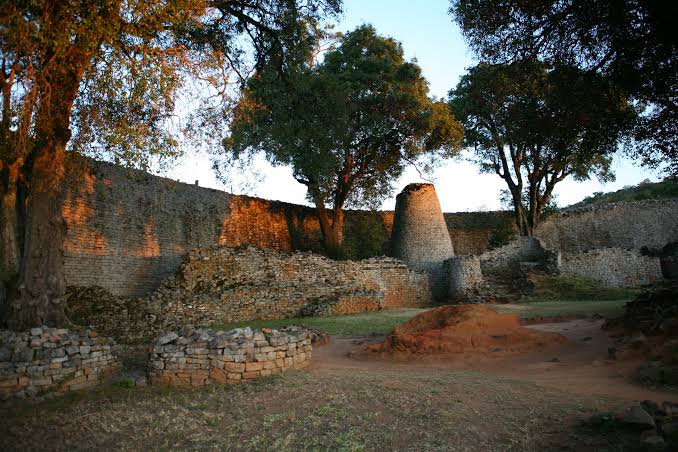
Masvingo to Host Landmark 2026 Sanganai/Hlanganani Expo as Zimbabwe Decentralises Tourism
15 hours ago
Pharmaceutical Industry Urged to Donate Short-Dated Drugs and Conduct Targeted Outreach for Chronic Patients
17 hours ago
Related Articles
Malaria is on the rise in southern Africa, with several countries – including Botswana, eSwatini, Namibia and Zimbabwe – reporting new outbreaks, underscoring the ongoing challenges in eradicating the disease in Africa.
1 year ago
New Roadmap to Strengthen Health Security in Central Africa
1 year ago
The State of Migration in Zimbabwe: Trends, Sources, and Destinations (2024-25)
1 year ago
The Demographic and Health Survey (DHS) is the holy grail that guides policymakers, researchers, and donors in determining and designing health priority interventions in Kenya
11 months ago
Comments (0)
Sign in to join the conversation and leave a comment.
No comments yet. Be the first to share your thoughts!